A arresting tragedy of defying those in power
Antigone, written by Sophocles 2400 years ago, is about the courage to resist power and resist.
In the play, the young woman Antigone decides to bury her brother, who died in battle, against King Creon’s prohibition. Antigone is caught and sentenced to be buried alive.
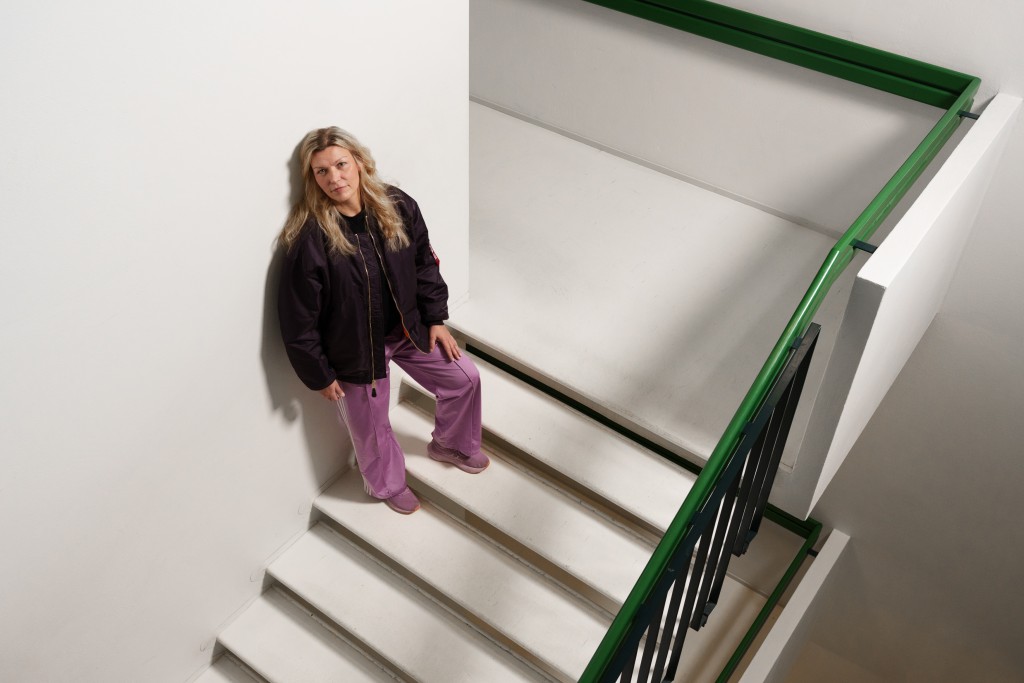
“Burying a brother does not directly correspond to any possible situation in modern society. In my opinion, defying those in power, on the other hand, is the only way for change to happen, not agreeing to everything,” says director Minna Harjuniemi.
The performance uses Kirsti Simonsuur’s translation from 2011.
“It’s clear, straightforward and quite arresting. I want to make the play as it is, not to overdo it,” Harjuniemi says.
The classic tragedy is framed by a prologue and epilogue written by Harjuniemi.
Antigone is a thoroughly composed work with music by Emma Raunio. The electronic sound world utilizes ancient tonal systems from the time before the major–minor system.
“In its timidity, electronic music is combined with the purity of the work and the inevitable fate of tragedy,” Harjuniemi says.
The solution is linked to Antigone’s origins: the play was originally written in poetic length, and in antiquity, a large part of the text was performed by singing or rhythmic recitation, and choral passages played a significant role.
Antigone feels to Harjuniemi to be a suitable choice for acting students in a time when democracy and the structures of society are constantly being eroded, also in universities.
In his opinion, Creon has the same traits as many short-sighted and narcissistic leaders of our time. Creon does not listen to others and realizes his mistakes too late.
In the original play, Antigone is an individual who rises up against the ruler, but here Antigone expands into an entire generation.
“There are 14 interesting, wonderful actors who have everything in front of them. It is worth coming and listening to their speeches.”