A joyful musical about the search for happiness and friendship
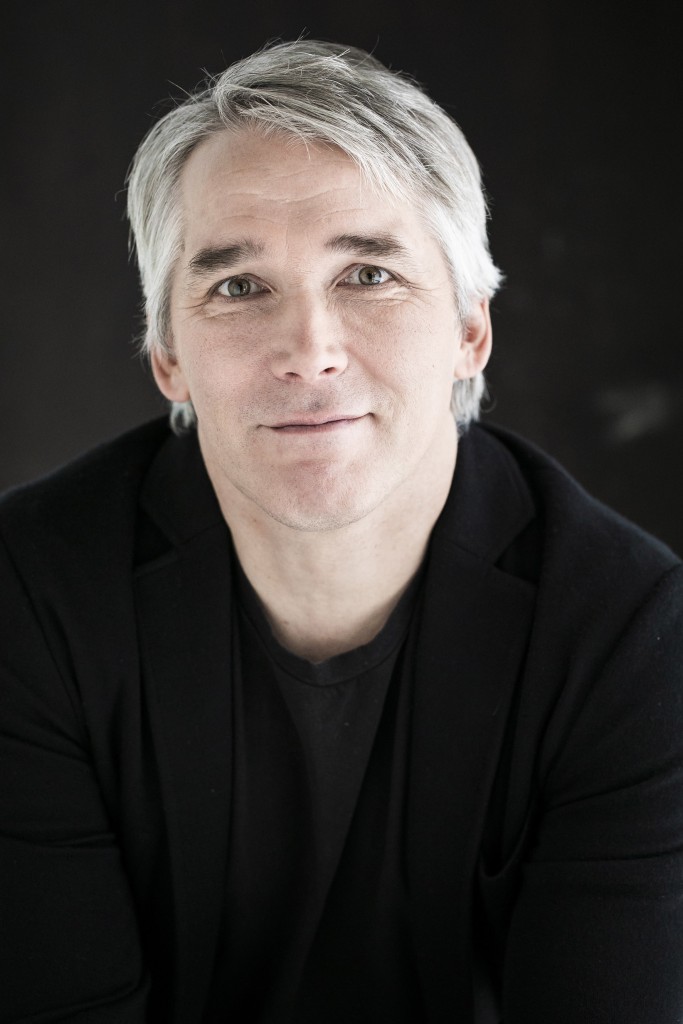
Ferret Mercury and Rabbit Virtanen feel depressed and set out in search of happiness. Along the way, they encounter a group of characters who offer their own answer to what happiness is and where to find it.
The starting point is not quite the most usual in a musical for the whole family.
“I guess I also have a basic Finnish melancholic trait in me, even though I usually work with fun things. But it’s better to have a little melancholic at the beginning and more joyful at the end,” says author Miika Nousiainen .
Ferret Mercury Seeks Happiness is based on the children’s book of the same name by Nousiainen and Sanna-Mari Pirkola (Otava 2020). The story was originally created for the Sonkajärvi Soi festival, where actor Jussi Vatanen asked Nousiainen to write a fairy tale to be performed.
For the play, Nousiainen wrote new plot twists and characters for the story, as the book progressed harmoniously and there were too few events for the stage.
“Some of the original characters dropped out and failures, conflicts and such twists were added that at some point Ferret and Rabbit will cross their skis,” Nousiainen says.
In his opinion, the play is also about the importance of friendship: Ferret and Hare are the most unhappy when their friendship is cracked.
Ferret Mercury Is Looking for Happiness is Nousiainen’s first dramatisation of a play.
Versatile music
At the same time as the plans for the play began with the Helsinki City Theatre, Nousiainen and composer Marzi Nyman had been talking about the fact that it would be fun to do something together. These conversations gave rise to the idea of a musical.
Nyman’s compositions play with different genres. “The music track is exceptional in its versatility. There is reggae, rock, punk, classical and schlager music,” Nousiainen describes.
She didn’t feel that writing lyrics was her field, so she decided to find someone else for the job. At the first production meeting, a suitable person was considered, but for some reason, no one could think of a future lyricist.
Nousiainen says that chance has often guided his work projects more than reason, and this is also the case here. Later, when she went to Restaurant Rytmi for tea, Mariska walked through the door.
“I waited ten minutes at my own table and then walked after him and said, ‘Hi, I’m Miika, would you like to write lyrics for a musical? And he said I wanted to. So it’s completely absurd,” Nousiainen recalls.
She admires Mariska’s ability to crystallize the essentials: “It was a pleasure to be able to participate in a few music meetings. It felt like when there was an idea in a scene or a point in a character, Mariska was immediately able to condense it into a few lines.”
For children and adults
The names of the characters refer to people familiar from pop culture: the play features Jon Bon Ovi, Vompatti Smith and Naula Vesala, among others.
“It’s probably a birth defect or trait that you tend to change words and keep coming to mind,” Nousiainen says.
According to him, it has been useful for music creators to be able to search for musical role models in the names of the characters. “Pöllö Miljoona sounds like the punk idol of my childhood, you can hear Queen in Ferret’s song and so on.”
Nousiainen believes that it is joyful for adults to pick up these references from songs or lines. “The basic story is made for children, but I think the best children’s stories have levels for children and adults.”
Text by Ida Henritius.