Bodies, memories and movement – what do they tell us?
Project No. 2191 explores what it means when the body carries with it memories, desires, and limitations.
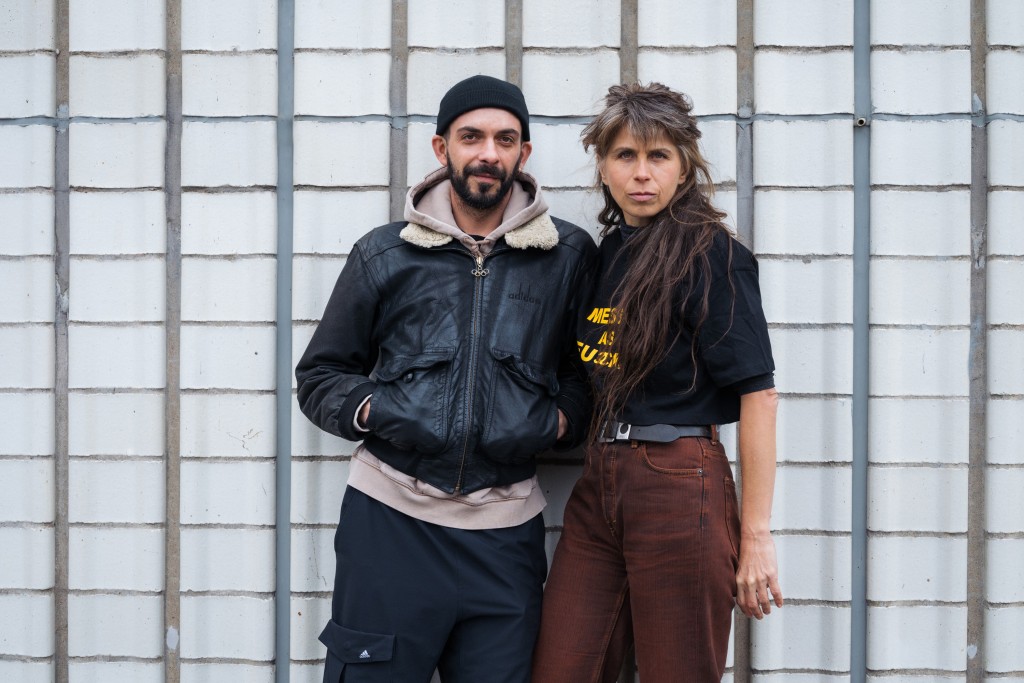
Instead of a ready-made theme, Hungarian choreographer Adrienn Hód started with the dancers themselves: who they are now, what kind of stories their bodies carry and what dance means in different stages of life.
Valtteri Raekallio , the director of the Helsinki City Theatre’s dance company, invited Hód to Helsinki for both artistic and cultural reasons. She believed that Hódi’s way of working would suit a group whose dancers are experienced, versatile and skilled improvisers.
Raekallio also emphasizes the broader significance of cooperation: “Hód has always asked difficult questions and challenged the conventions of the stage. In today’s Europe, where freedom of speech and experimental art are restricted, it felt important to have her in Helsinki.” According to Raekallio, the book reminds us that openness, democracy and artistic freedom are still topical issues.
At the same time, the commissioned work offered Hódi new opportunities: in his works, the stage is often almost empty and simplistic, while the Helsinki City Theatre offers the resources for a more extensive production.
From rehearsals to finished work
The work got its name by chance. When the City Theatre confirmed the order, it was recorded in the official papers that it was Project No. 2191, and it was decided to leave it as the name.
For Hód, this kind of randomness reveals an interesting contradiction: dance is a living, ephemeral art form that exists only in the moment, while the number anchors it to the administrative system.
Since the title did not tie the work to a specific theme, all the material was created during the rehearsals on the basis of long improvisation tasks. In the creation proross, the relationship between body and mind was explored through exercises that utilised the dancers’ imagination and personal memories.
Hódi’s partner Csaba Molnár, who has worked with him for 15 years, describes the process as built on intuition and trust. The elements were assembled “by putting ingredients in the same pot”, and the connections between them gradually began to take shape.
Hód says that the work progressed in stages, layer by layer. Each improvisation task limited the focus and sometimes led to surprising discoveries, as if walking in a labyrinth relying on energy and intuition. “As a performer, you have to stay present and in the moment. That is very typical of our work,” Hód says.
Molnár points out that on stage, however, there is no free improvisation, but the focus is on keeping the material alive. It means questioning familiar habits, detaching oneself from ready-made patterns, and exploring whether a sense of freedom can arise within the structures of theatre.
Shared Presence
Hód and Molnár say that contemporary dance is sometimes considered less valuable than other art forms. In their opinion, its strength lies precisely in the unique knowledge that the body carries with it – and this is what the ensemble of Helsinki Dance Company makes visible.
Among the seven dancers, there are performers of different ages and backgrounds. Their individual ways of expressing themselves through dance give clues about who they are now and what gets them moving.
At the same time, Hód reflects on the significance of art in a world overshadowed by crises – wars, climate change and political tensions – and how bodily knowledge could open up discussion on these big questions.
However, Project No. 2191 is based above all on the presence of seven dancers and their movement language, or, as Hód puts it, on the fact that “people happen in front of other people”.
Text: Ida Henritius