Close-up of William Iles
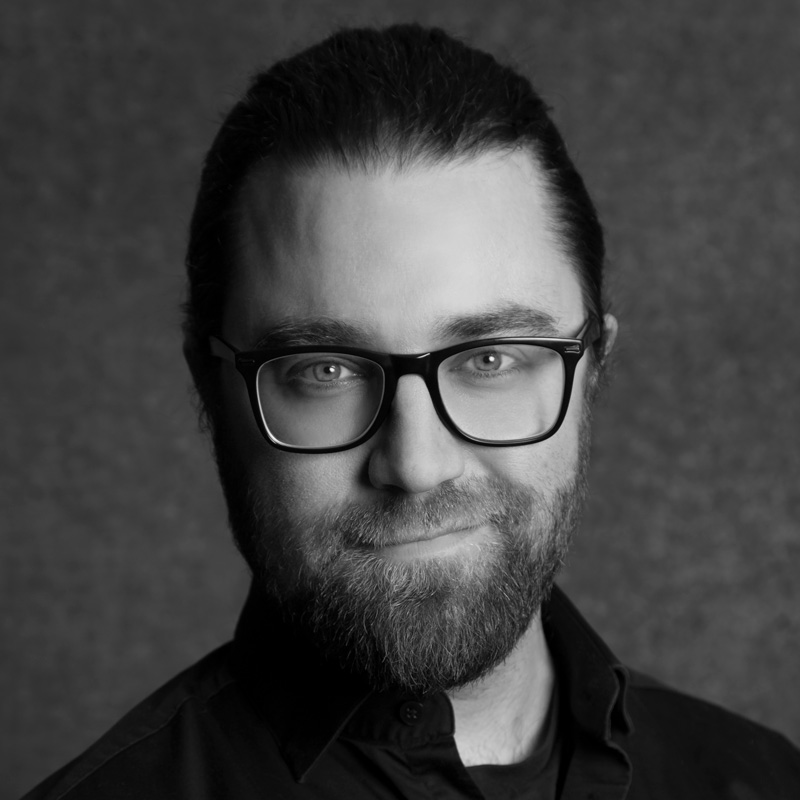
Special Night’s scenographer William Iles has been designing lighting and setting for dance performances for 20 years. Originally, she was supposed to study philosophy, but the spark for lighting design was born through the art of dance.
“I was in civil service at the Stoa Cultural Centre, which was visited by a lot of dance works. What the lighting designers did in them was impressive. I never felt the need to analyze the dance, I just enjoyed the auditory-visual experience. Theatre came later.” Iles also has a long history with the Helsinki Dance Company, which she followed already when she was studying at the Department of Lighting and Sound Design.
“I went to see a lot of HDC’s works, where the charismatic dancers, the large group and the virtuosity made an impression. My first design for HDC was Kenneth Kvarnström’s YOUMAKEME. The choreographer already had a very precise idea of the work’s minimalist aesthetics. We made moving trusses for it, which were the central visual element of the work. I was really happy with the result. Over the years, the most memorable works have been Jyrki Karttunen’s 100 Ways to Laugh, for which we made a large rising yellow oval, and Keijukaisneuvos Koo, where it was nice to work with fairy-tale quality. I’m most satisfied with the work as a whole, Gravity, which was dystopian and rough. It took me to the place, but it was still minimalist and simple.”
In dance productions, Iles is often also responsible for the set design, as in all of the above-mentioned productions. “When working with dance, it is natural to design the space and the light together. Planning always starts with a discussion with the choreographer, and since there is usually no script, after this it is a matter of waiting for good ideas. When a common view begins to be found, the work begins to become concrete. I use a lot of reference images, which I now also produce with artificial intelligence. Even if the choreographer has a ready-made and precise idea of what they want, I want to understand the idea behind the idea and why. I don’t have any stylistic lighting ideas ready. They always need context to be created, either in a play text, a set design or a conversation with the choreographer. Of course, there are often technical solutions in the toolbox that you want to try, but I always hope to start with a blank slate in design. It is important to be able to empathize with completely different ways of thinking and at the same time develop your own creative thinking.”
Text: Antti Lahti