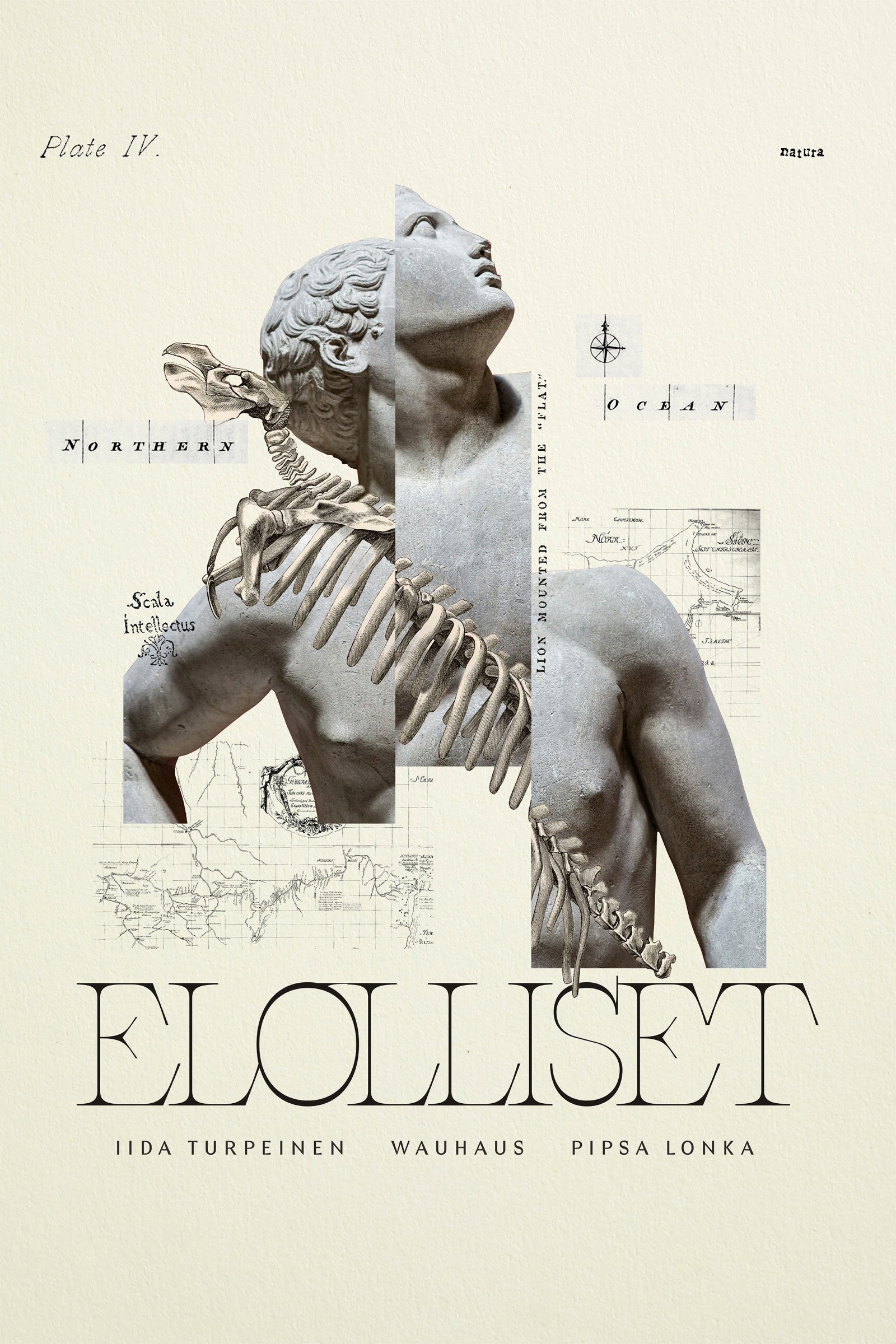
Elolliset
A play about the history of understanding extinctionPlease note: The performances on Fri 16.10. and Sat 17.10. at 18.30 have been cancelled due to illness. We will contact ticket holders who have provided their contact details.
“Steller’s sea cow, Stellers sjöko, Hydrodamalis gigas: The first animal to force humankind to take a hard look at itself.”
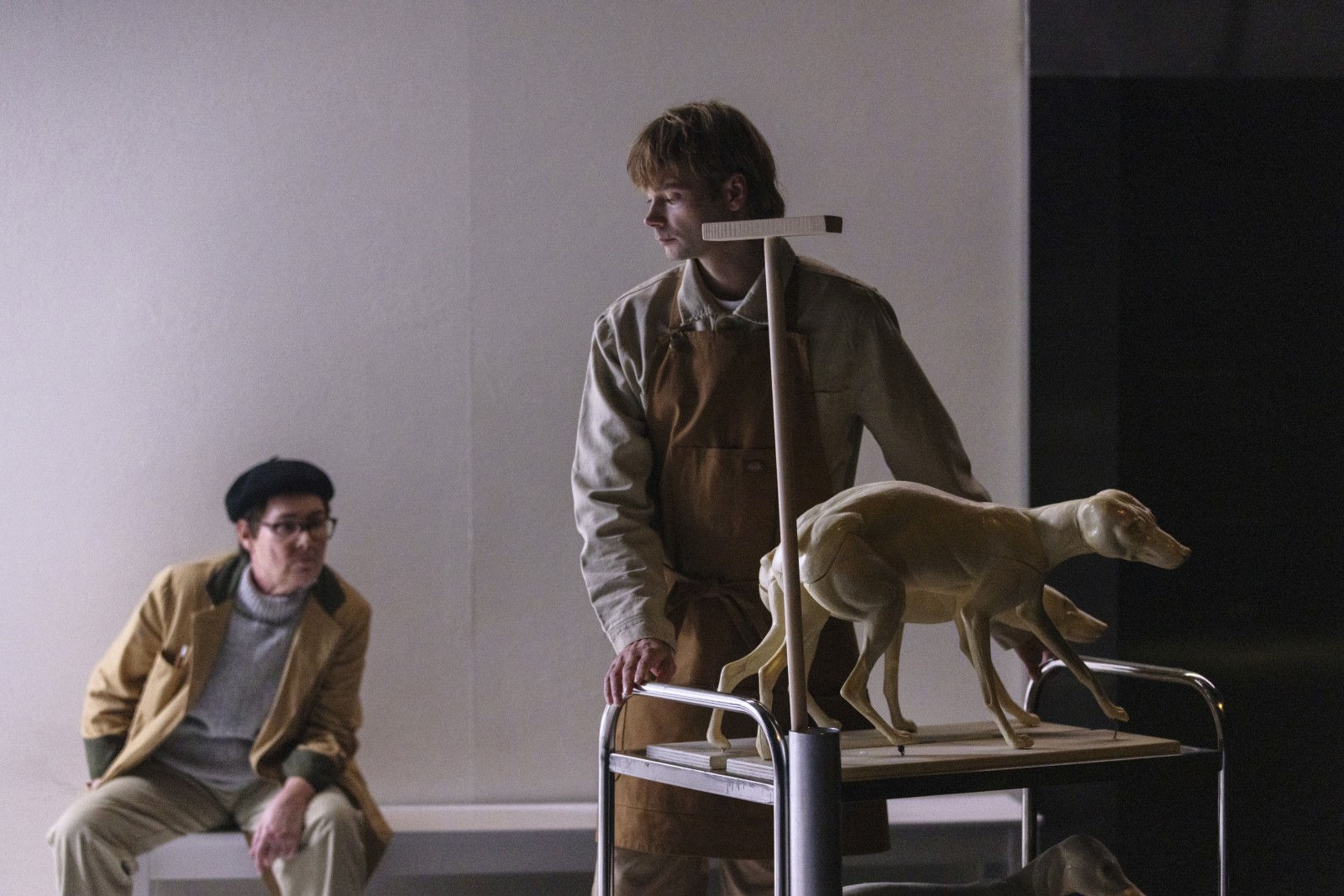
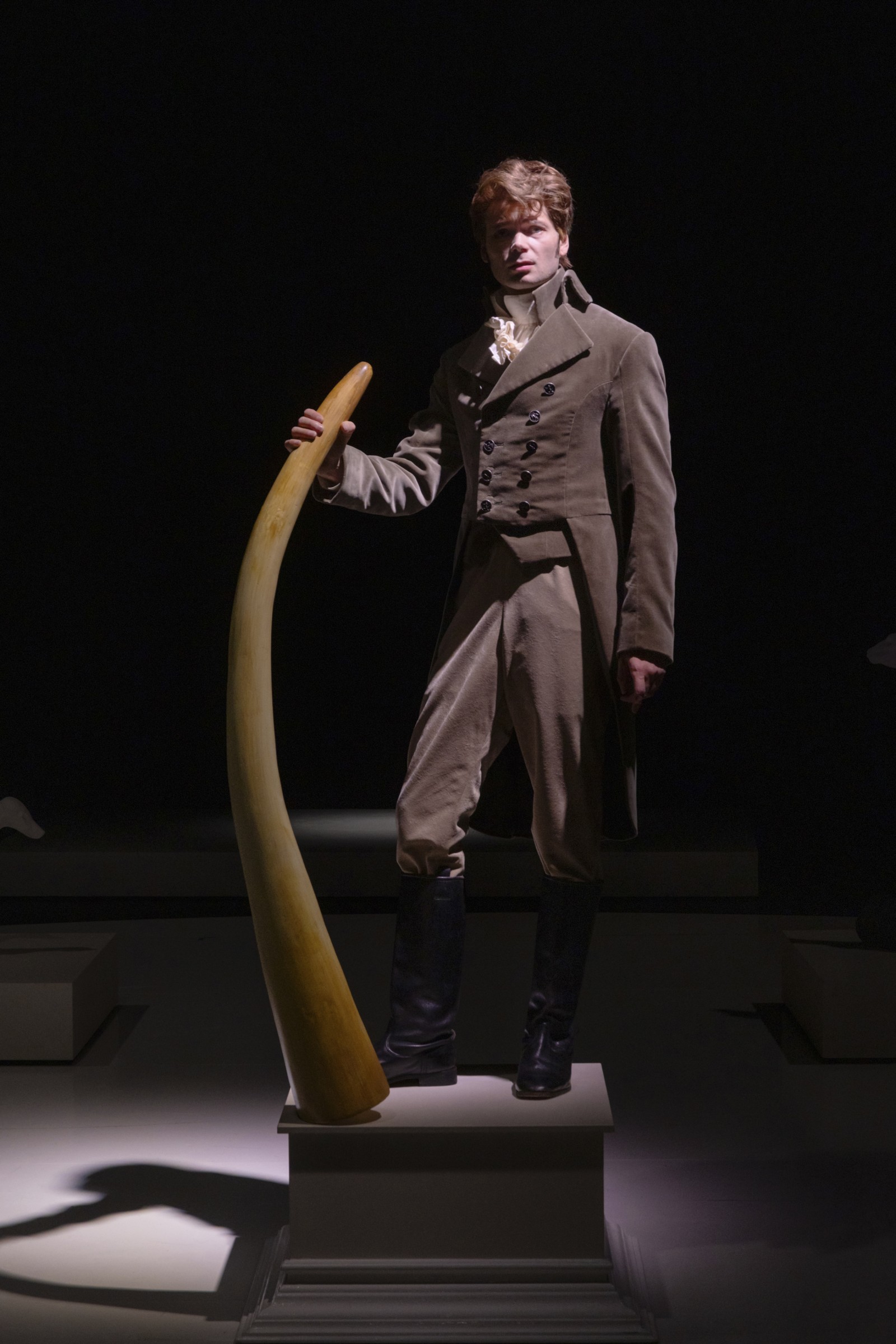
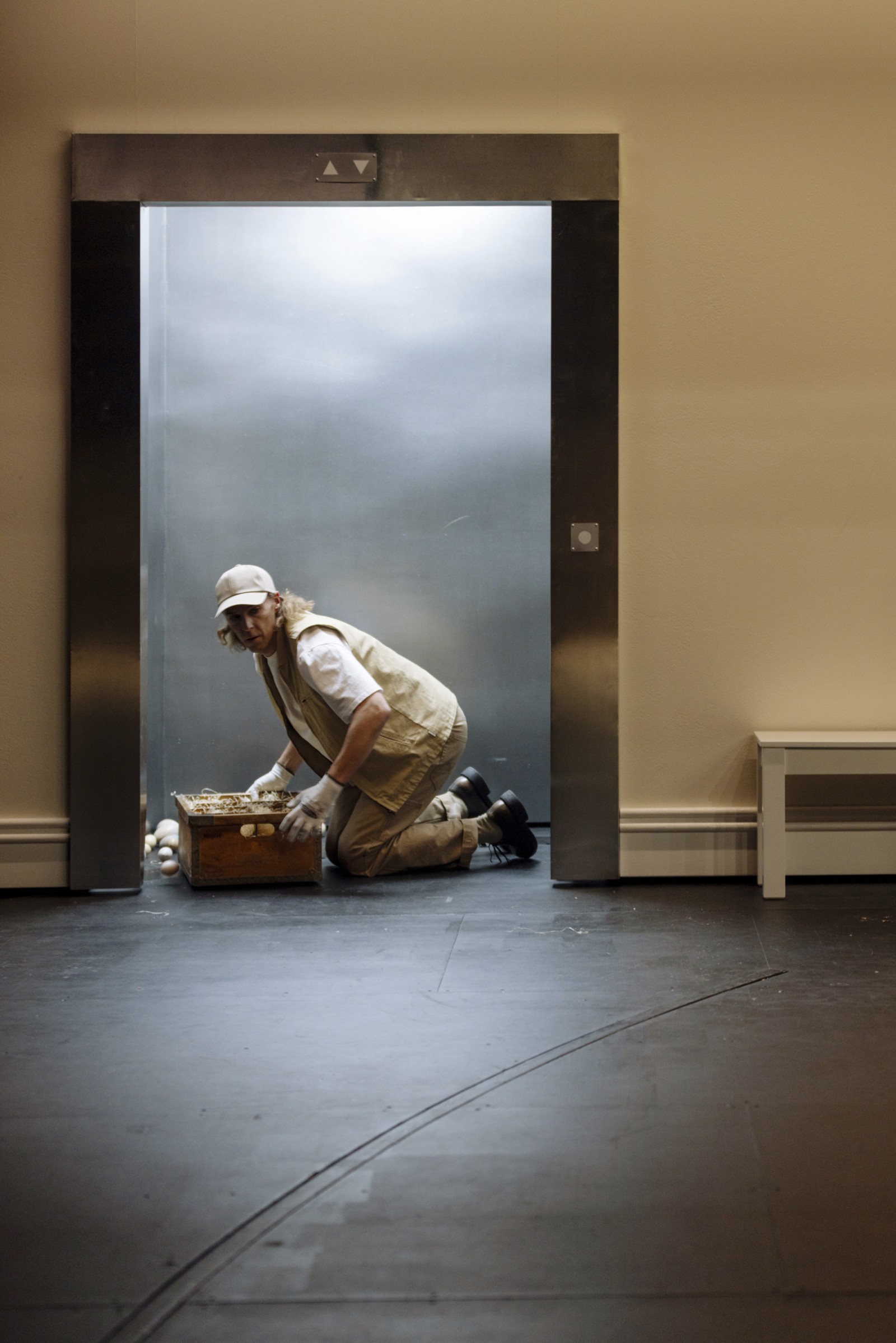
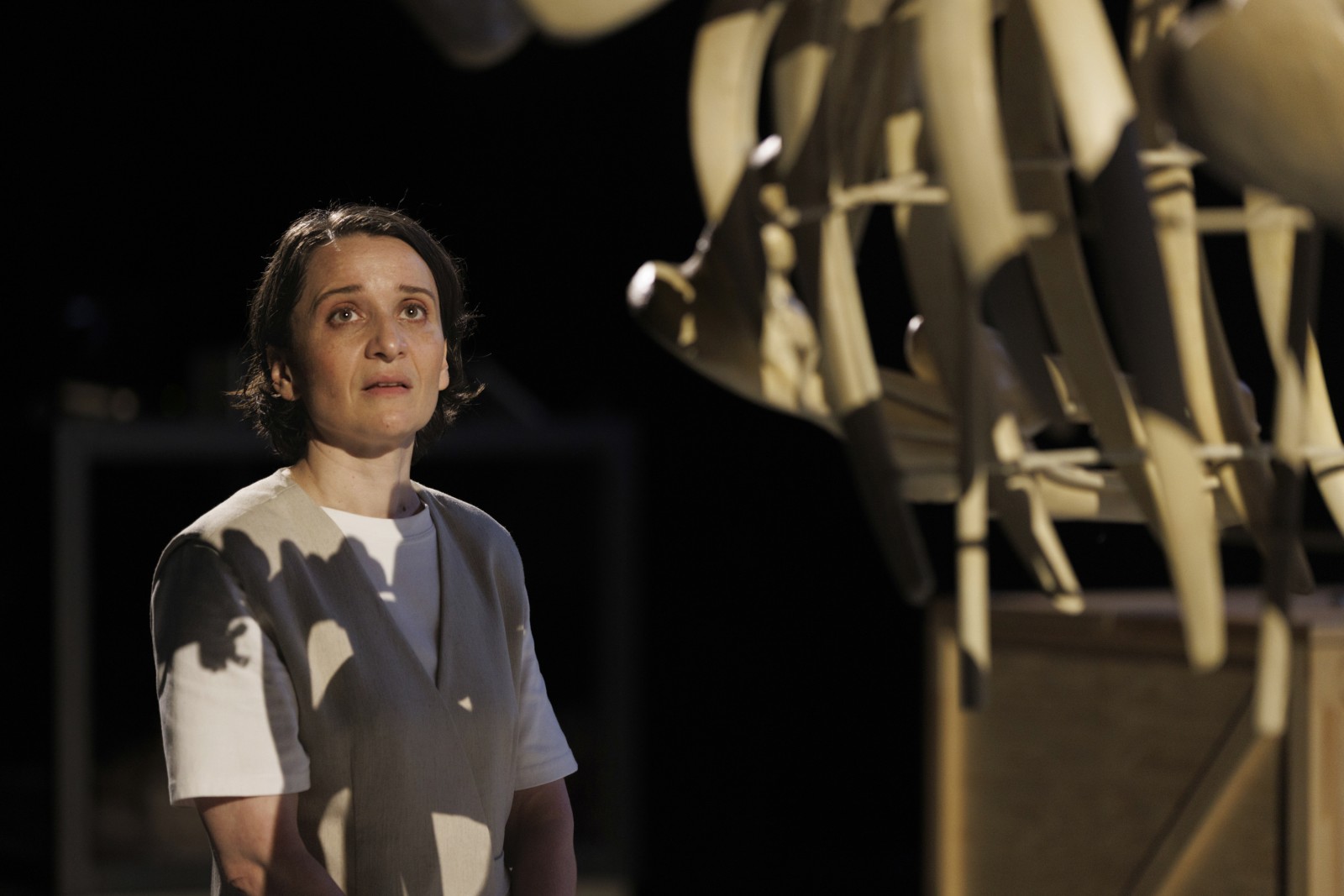
In an exhibition hall at the Natural History Museum in Helsinki stands the skeleton of a Steller’s sea cow. Its journey there has spanned centuries and crossed the globe. The history of these bones encompasses a series of moments intertwined with both imperialism and the emergence of modern nature conservation.
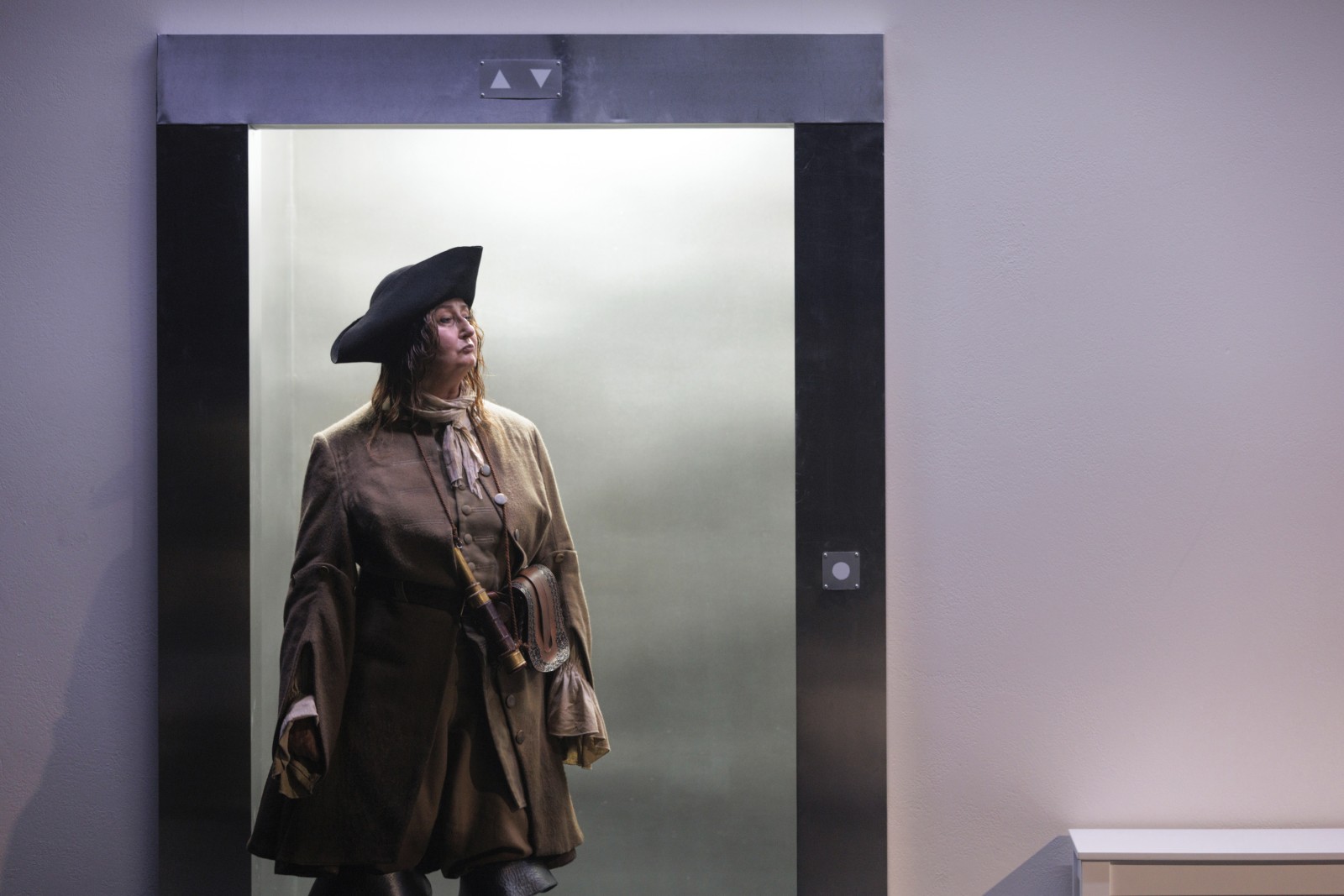
Elolliset takes the audience on an expedition to the origins of the concept of extinction. The production traces how Western humankind came to grasp the devastating truth that, should we choose to, we can erase both individual living beings and entire species from the book of life.
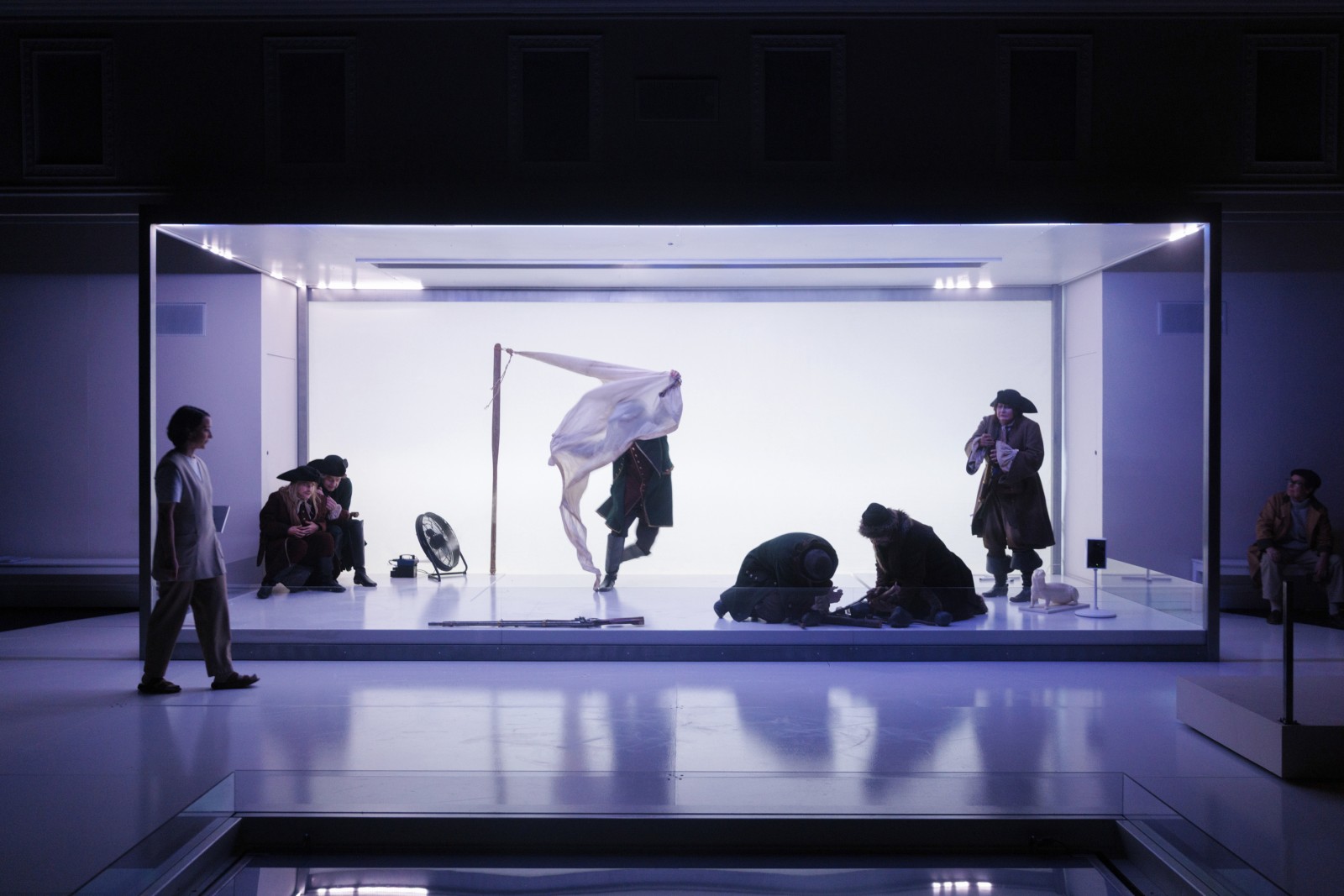
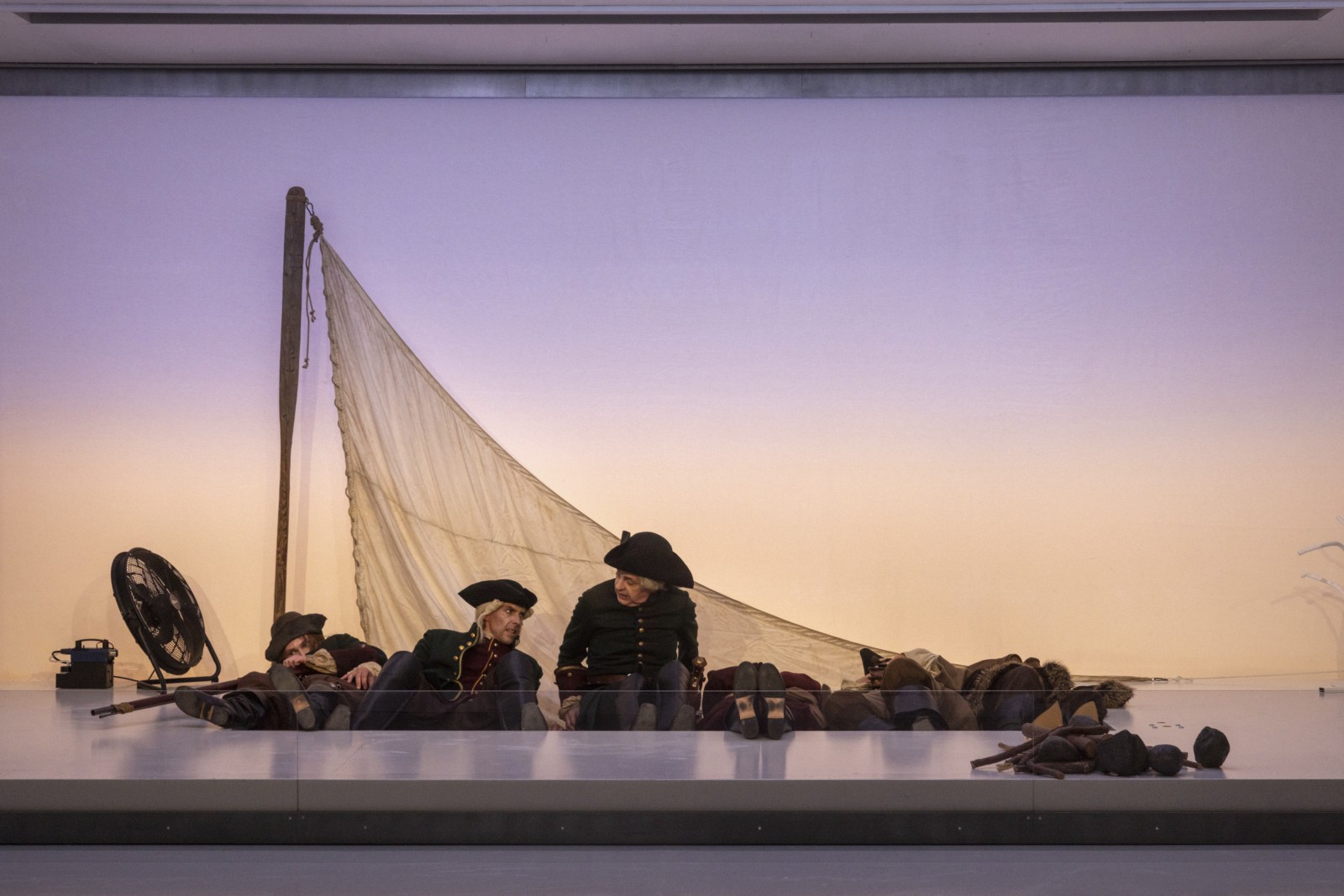
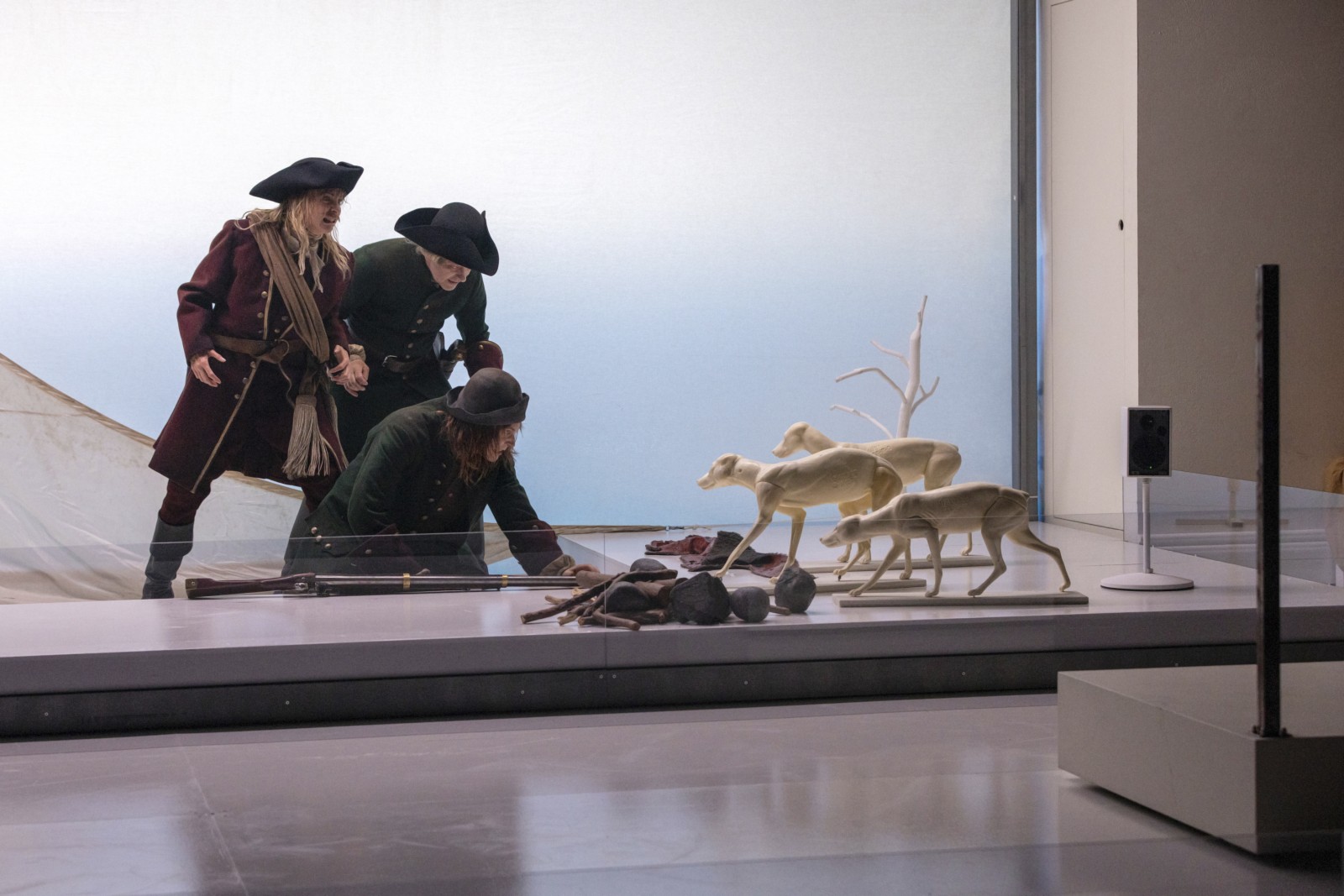
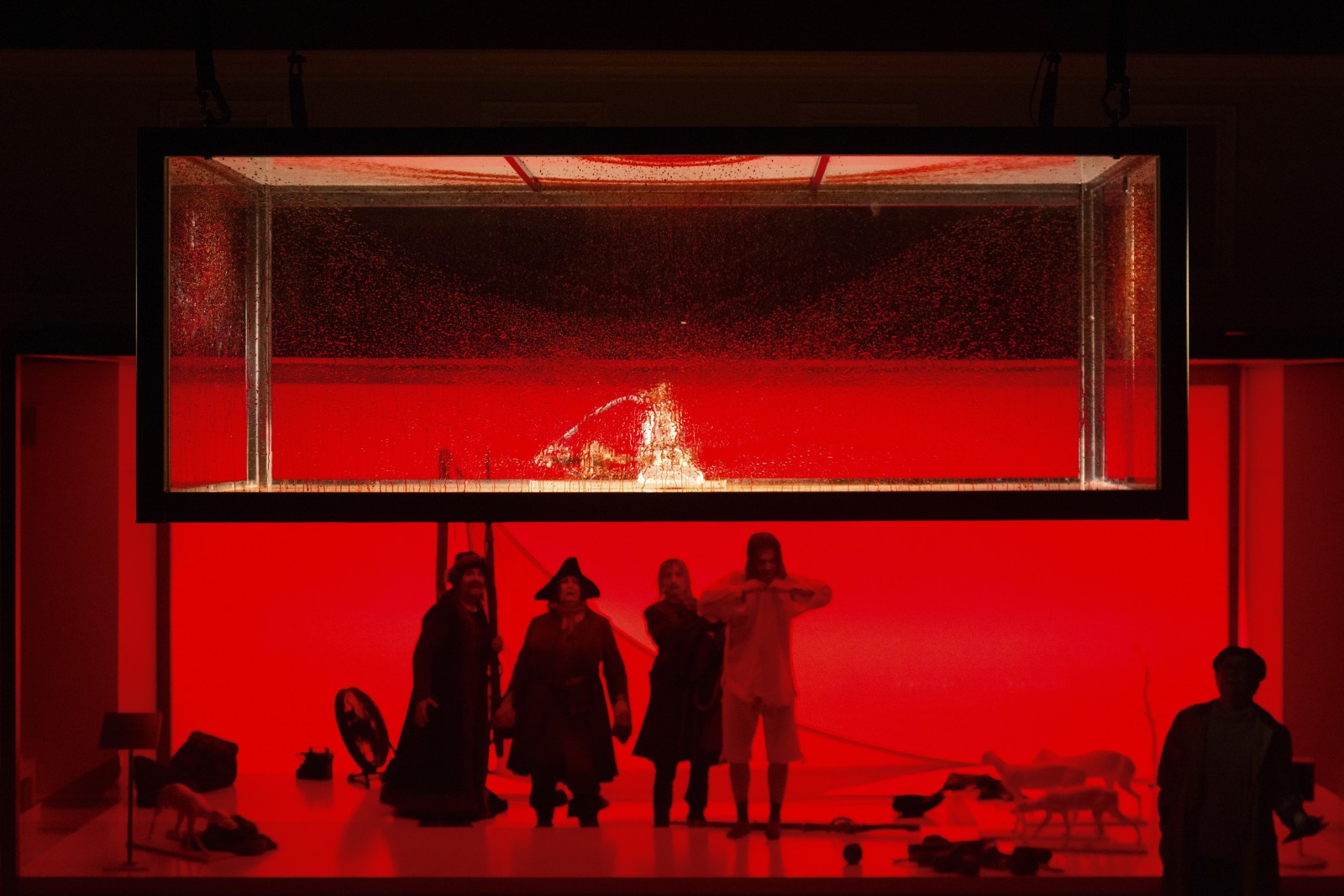
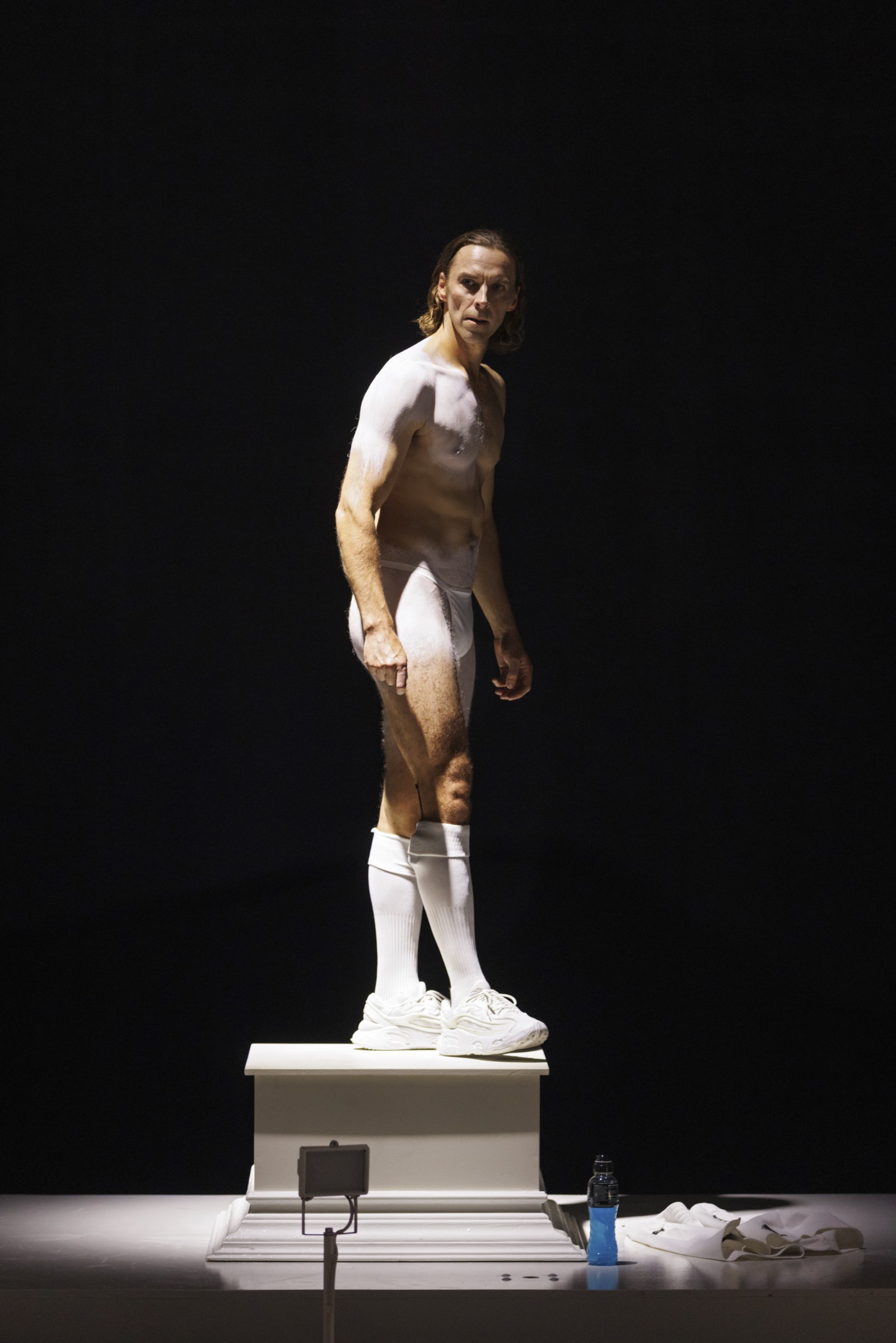
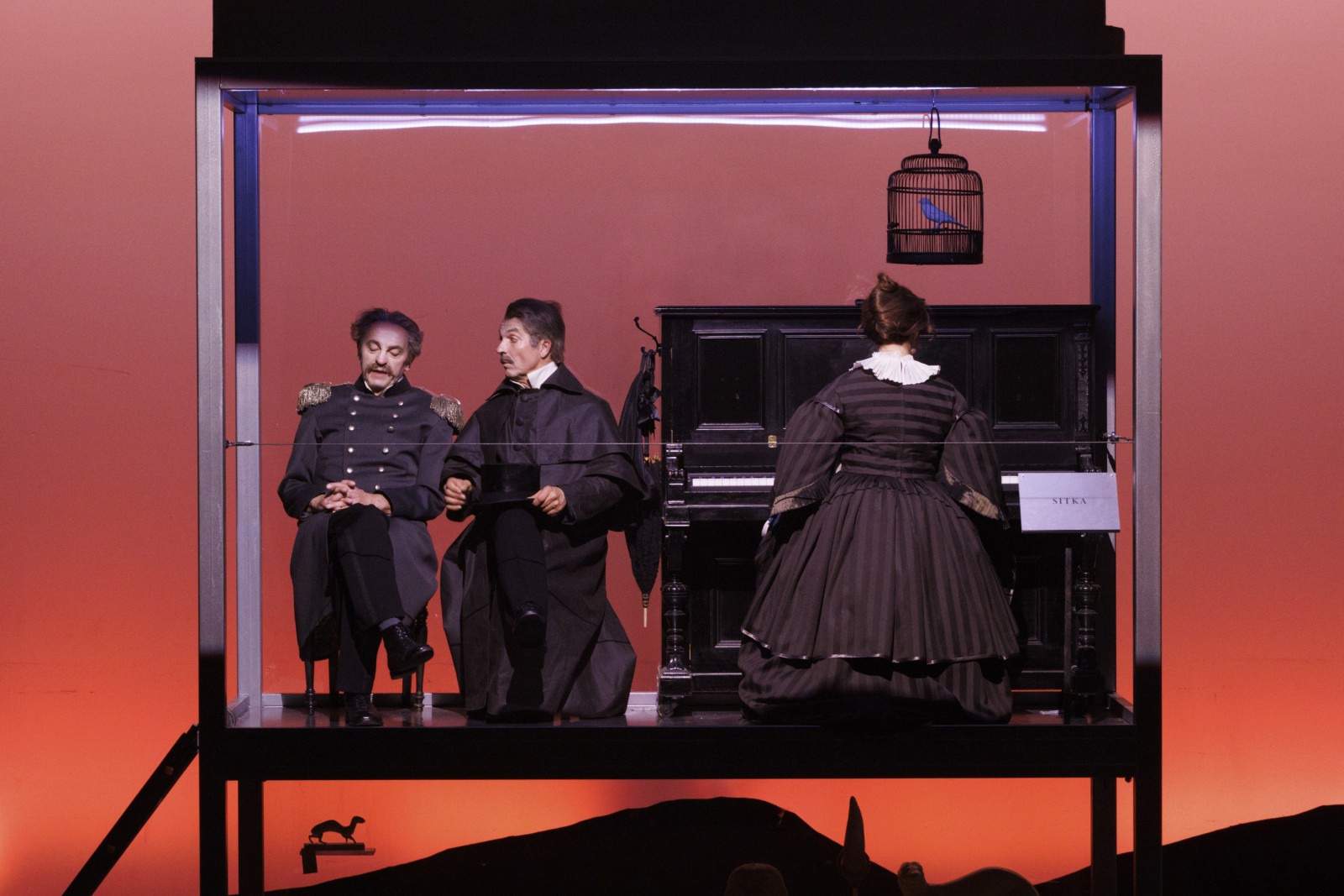
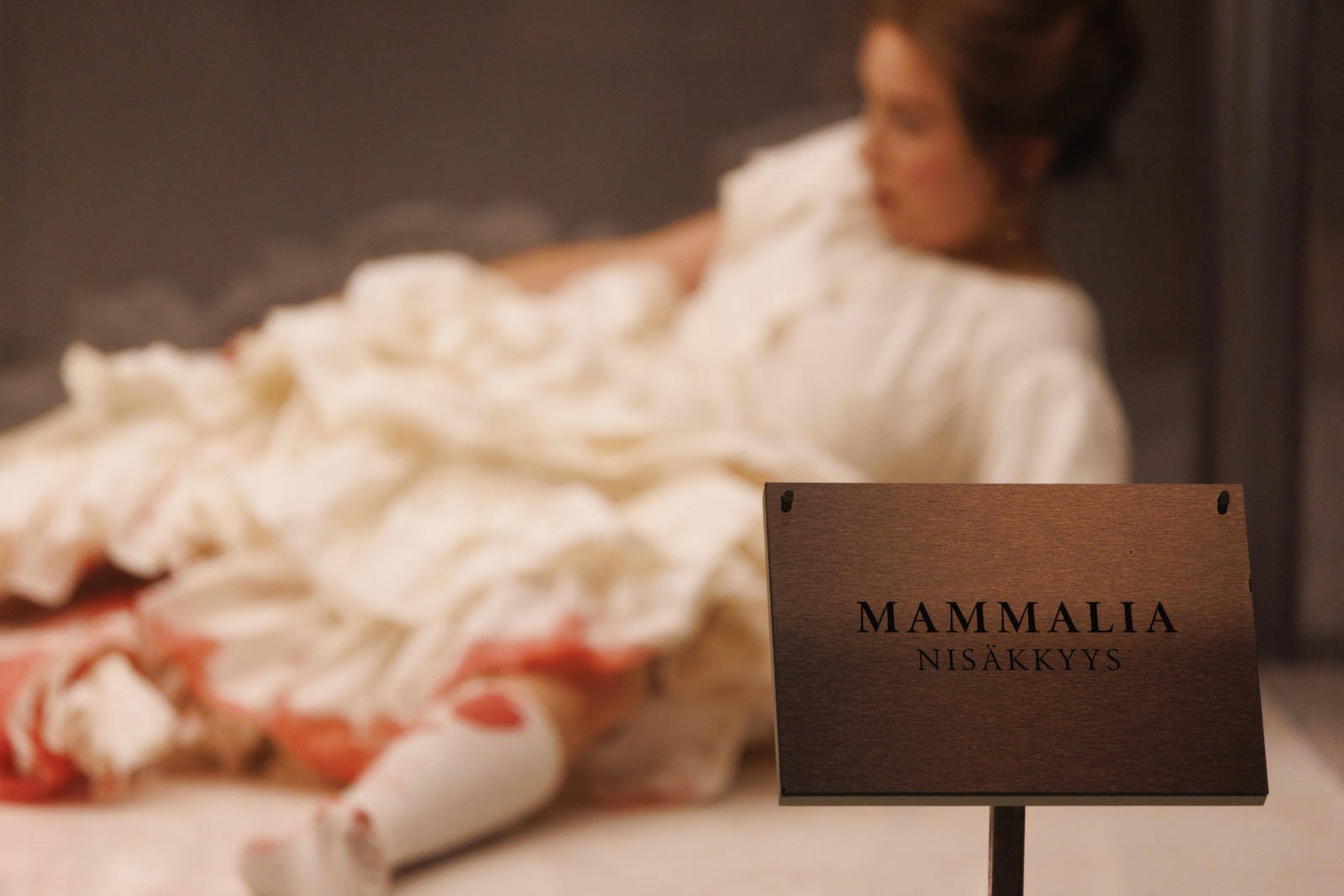
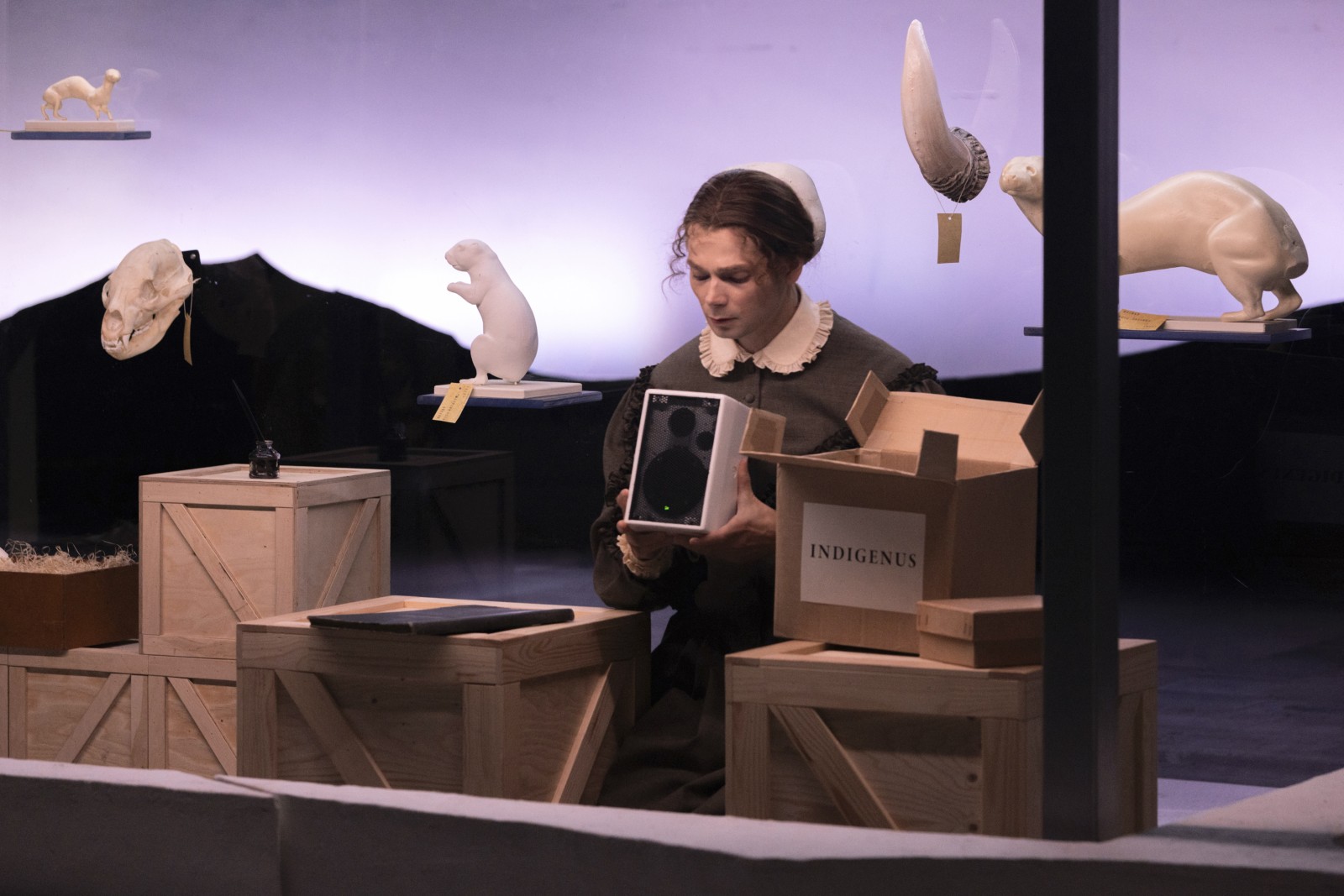
Through museum display cases assembled and dismantled on stage, a view into the past unfolds before us, revealing the first ripples of the sixth mass extinction beginning to wash upon a distant shore. Elolliset considers this without assigning blame, yet without shying away from responsibility.
With humour and wistfulness, it examines humankind’s faith in its own intelligence and its feverish quest for the right answers. The production invites us to ask: which ideas does our own age consider unquestionably true and natural, only for future generations to prove them wrong?
Iida Turpeinen’s novel Elolliset is the most successful Finnish debut novel of all time. Published in 2023, it won the Helsingin Sanomat Literature Prize for a debut work, was nominated for the Finlandia Prize, was included on The New York Times’s list of recommended historical fiction, and its translation rights have now been sold in nearly 30 languages.
The novel has been adapted for the stage by Pipsa Lonka, with the WAUHAUS collective responsible for the production’s artistic concept. WAUHAUS is an award-winning, Helsinki-based multidisciplinary collective known for its immersive audiovisual stage aesthetics and collaborative approaches to authorship.
View the programme