Empty Stage
Note: No longer in repertoire!
Showtimes:
Thu 11.4. 18.30, premiere, studio Pasila
Mon 15.4. 18.30, studio Pasila
Tue 16.4. 18.30, studio Pasila
Wed 17.4. 18.30, studio Pasila
Tue 7.5. 18.30, studio Pasila
Wed 8.5. 18.30, studio Pasila
Fri 10.5. 18.30, studio Pasila
Sat 11.5. 18.30, studio Pasila
Tue 14.5. 18.30, studio Pasila
Wed 15.5. 18.30, studio PasilaLanguage: English
Performance times:
Tue Apr 11th 6.30 pm, premiere, studio Pasila
Mon Apr 15th 6.30 pm, studio Pasila
Tue Apr 16th 6.30 pm, studio Pasila
Wed Apr 17th 6.30 pm, studio Pasila
Tue May 7th 6.30 pm, studio Pasila
Wed May 8th 6.30 pm, studio Pasila
Fri May 10th 6.30 pm, studio Pasila
Sat May 11th 6.30 pm, studio Pasila
Tue May 14th 6.30 pm, studio Pasila
Wed May 15th. 6.30 pm, Studio PasilaLanguage: English
Duration: approx. 1 hour and 30 minutes, no interval
Note: The performance has flickering lights, loud noices and theatre smoke.
(Scroll down for English.)
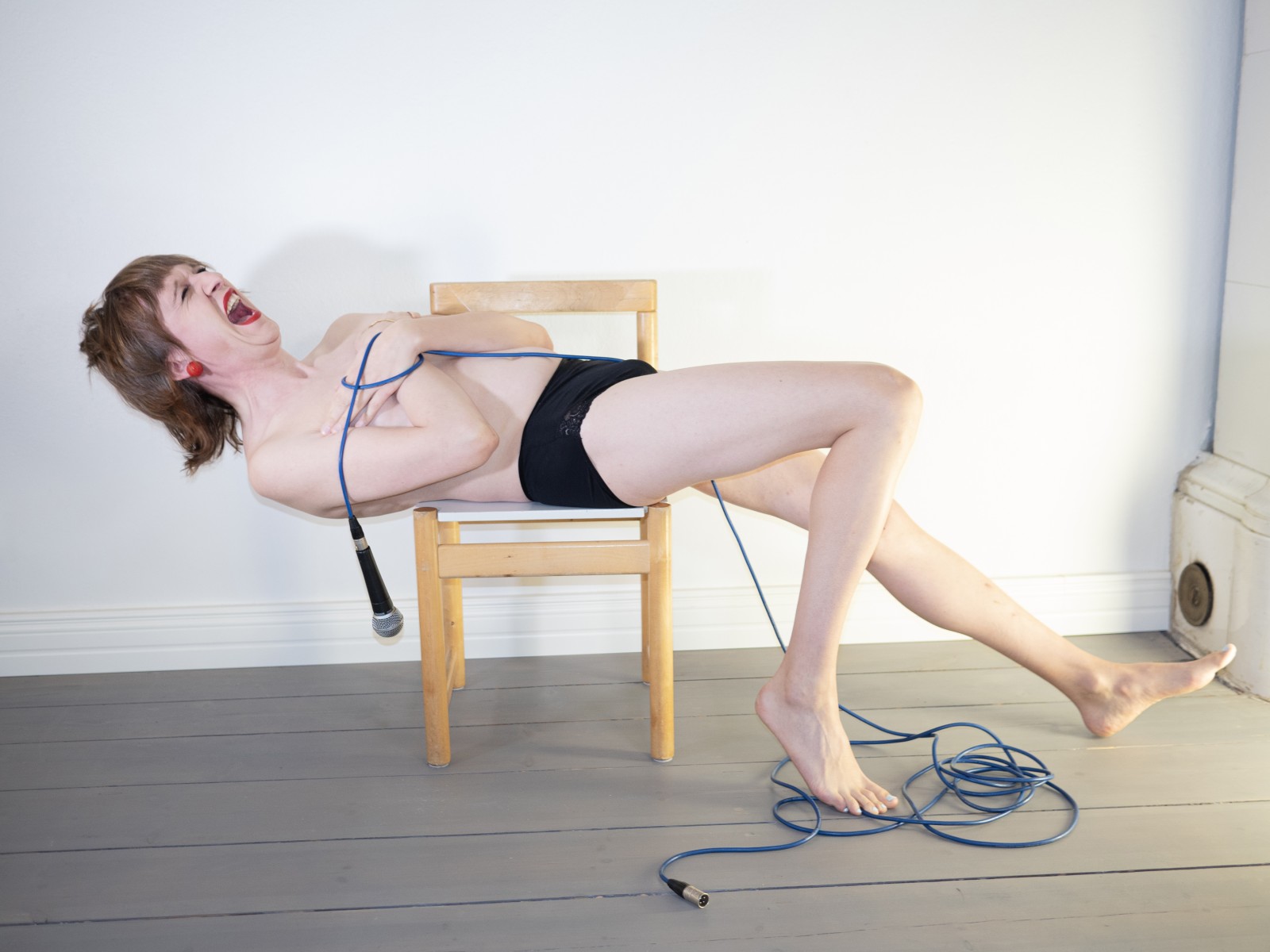
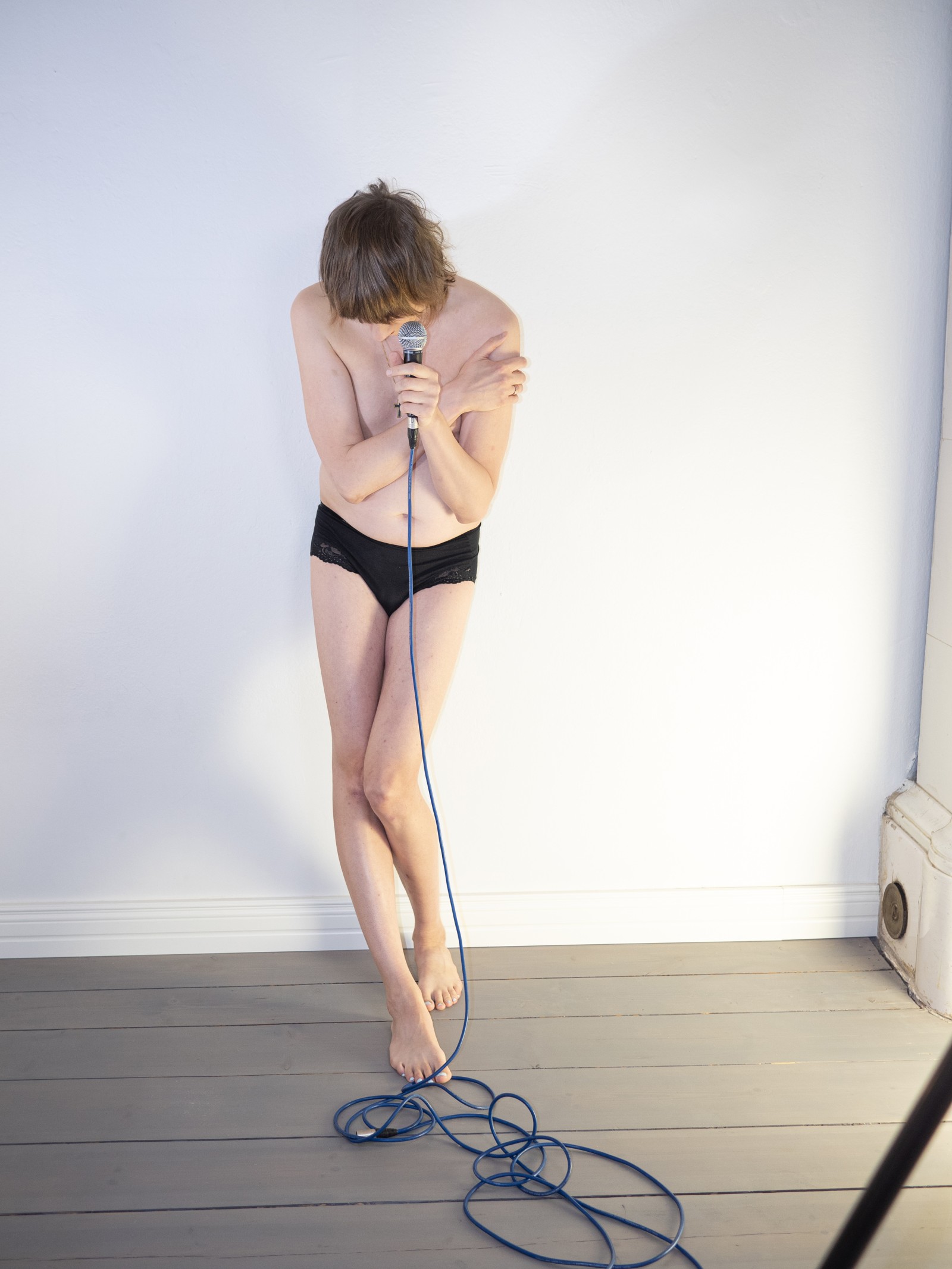
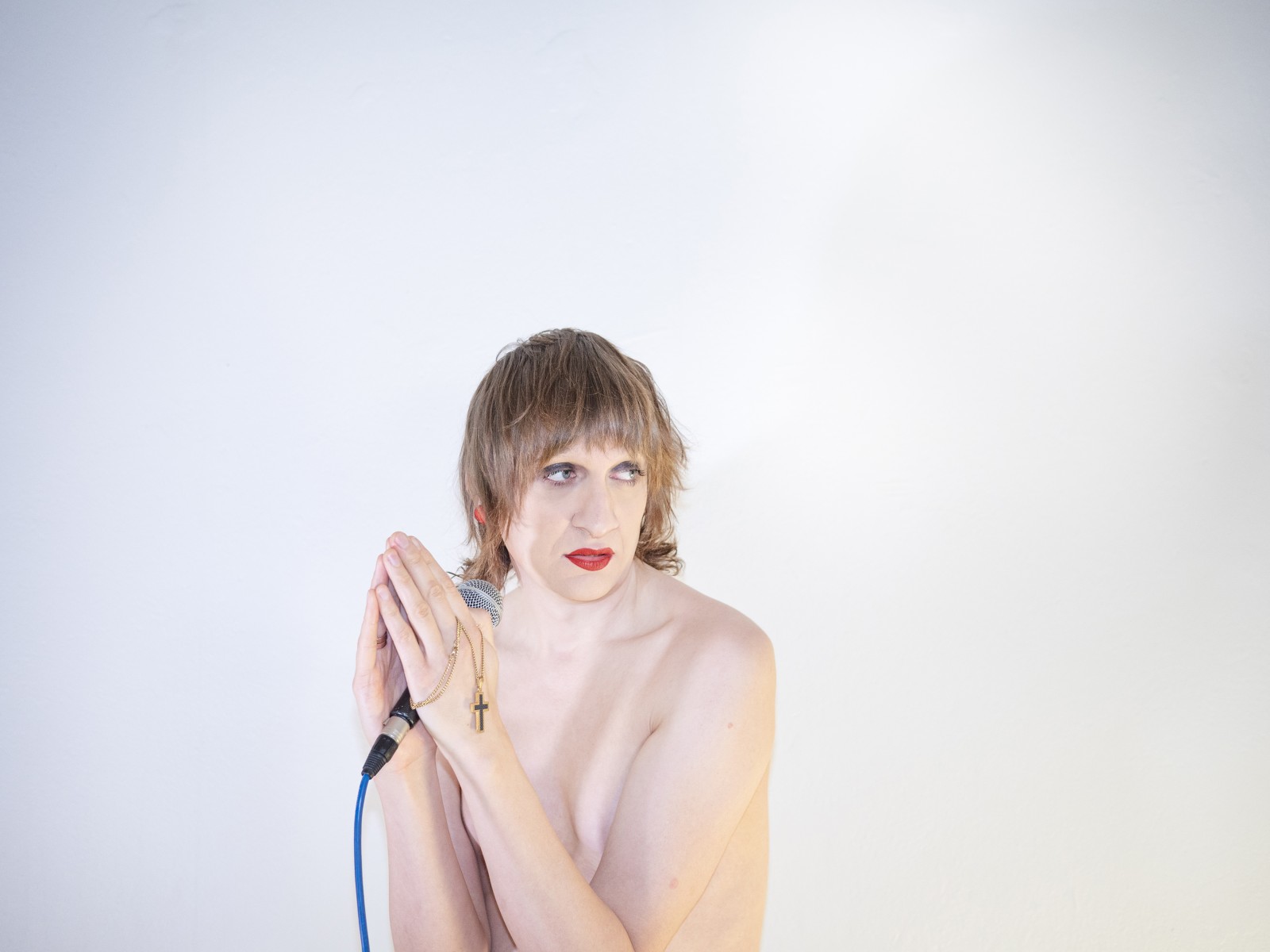
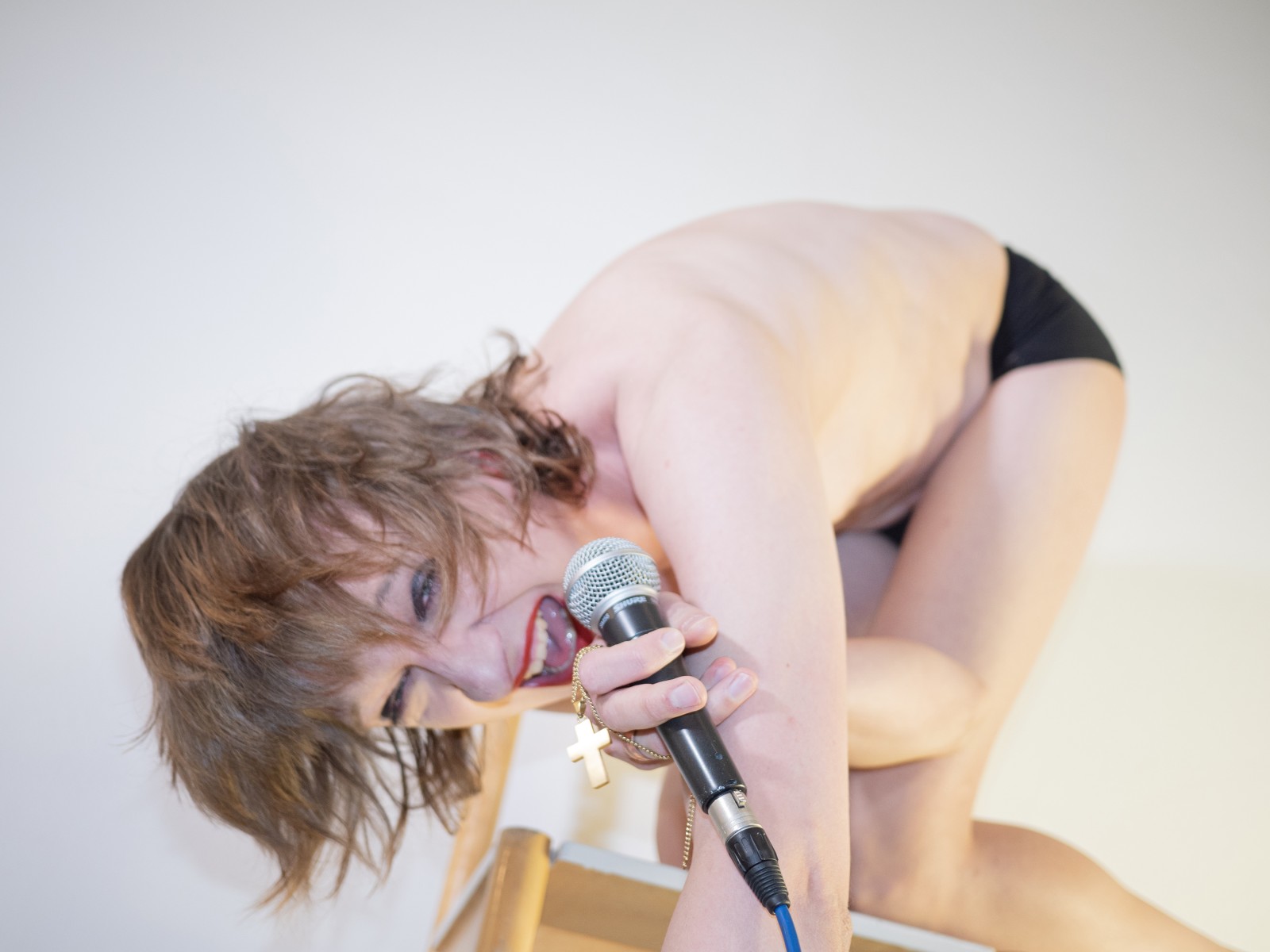
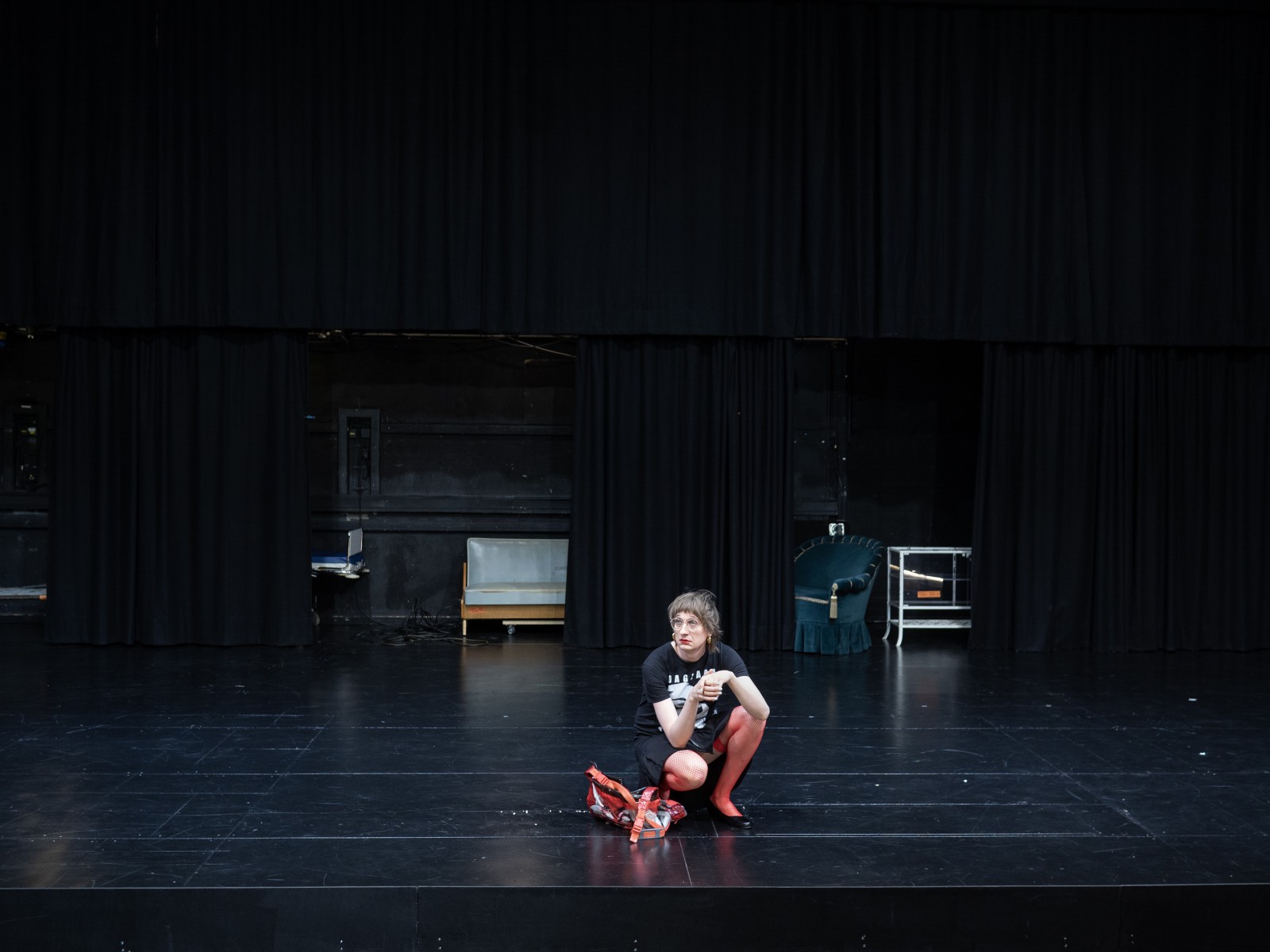
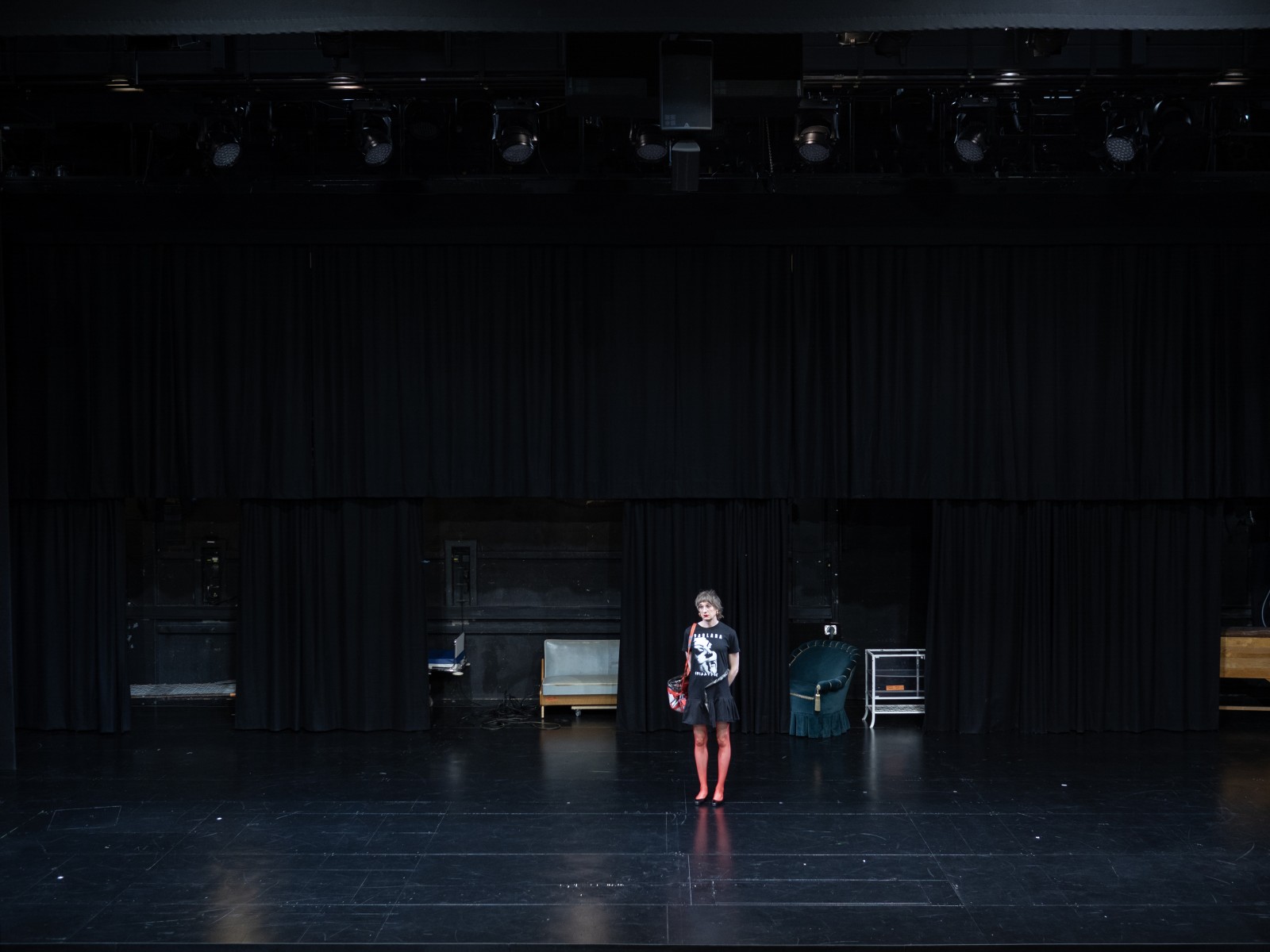
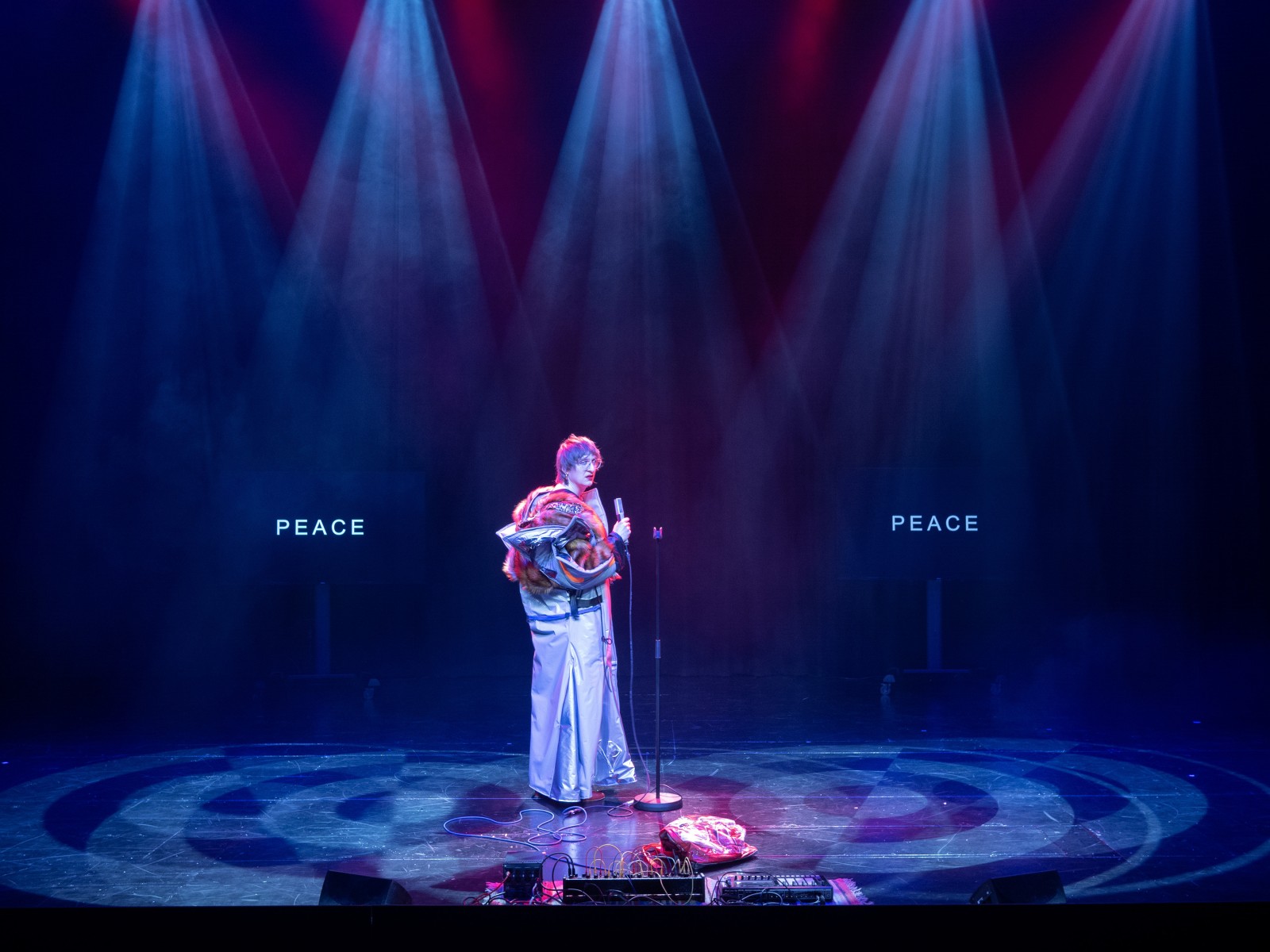
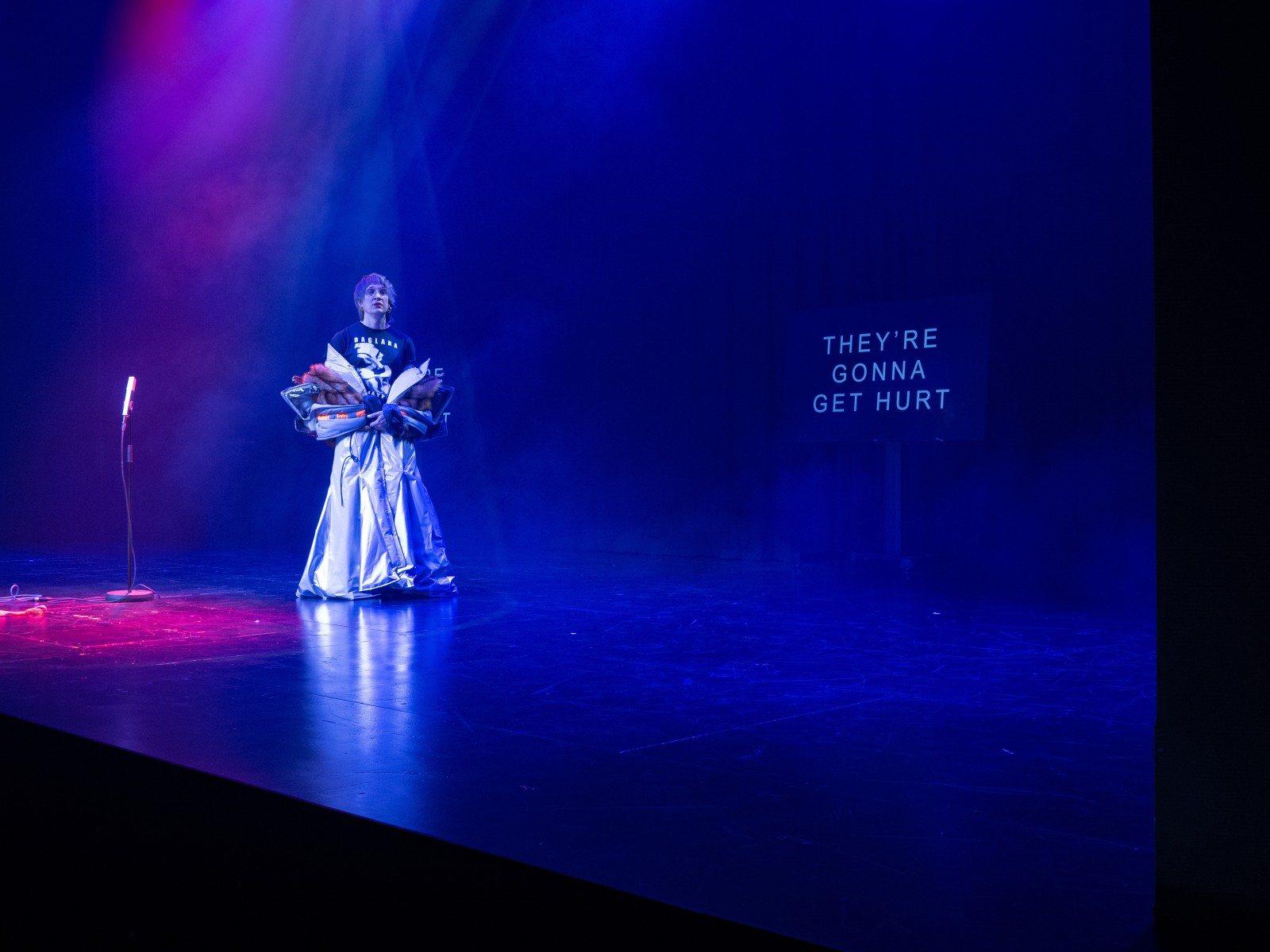
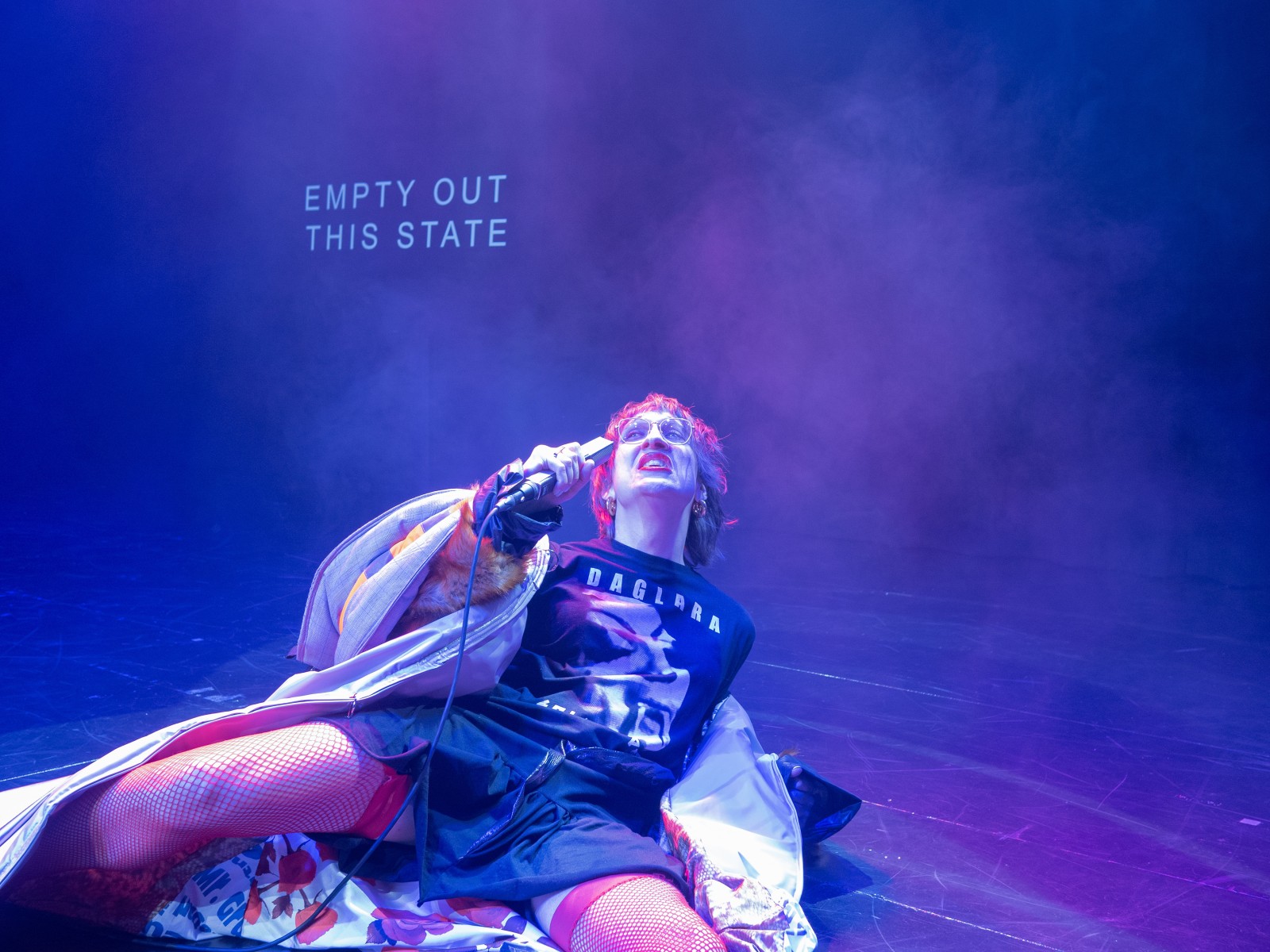
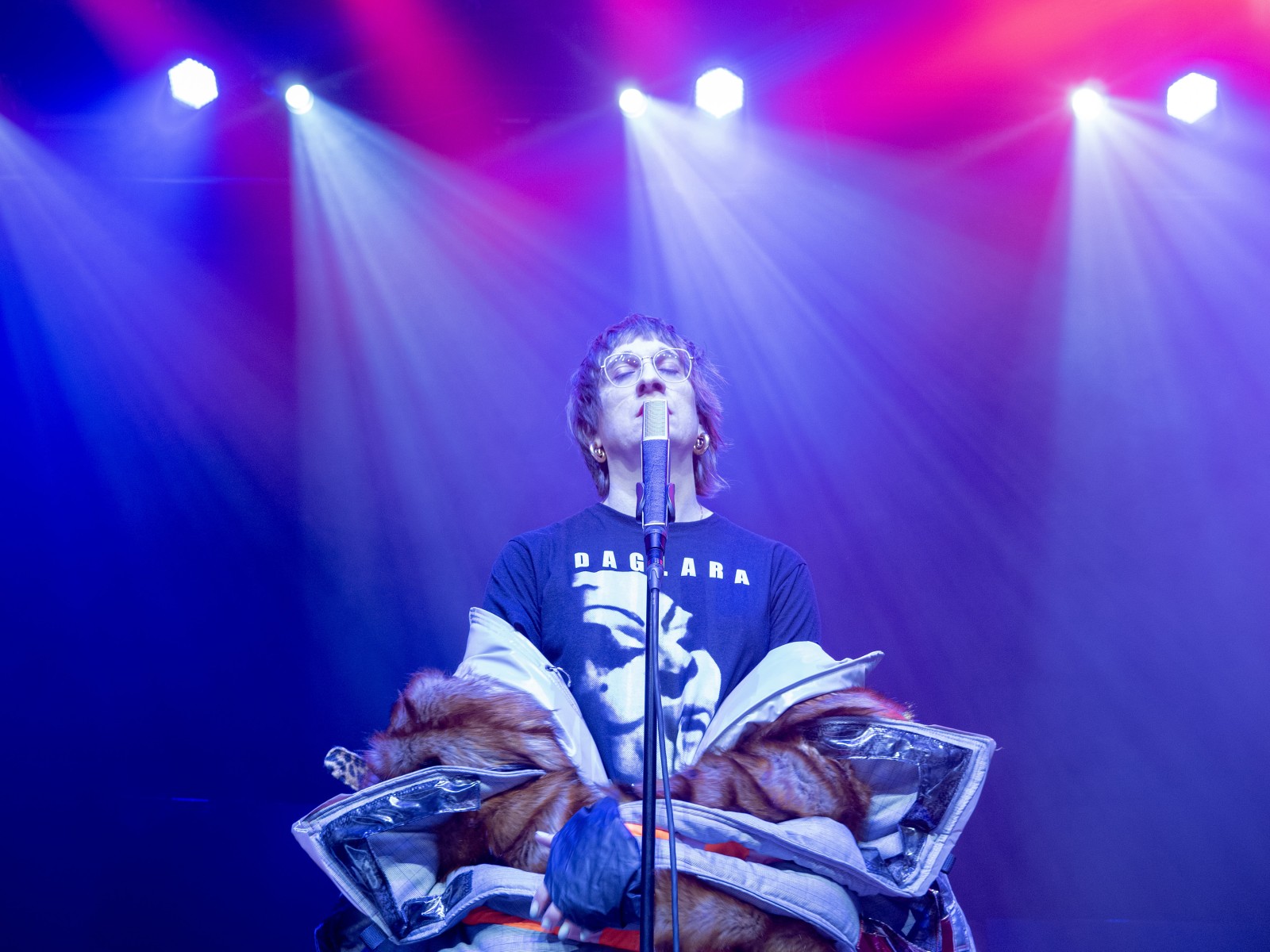
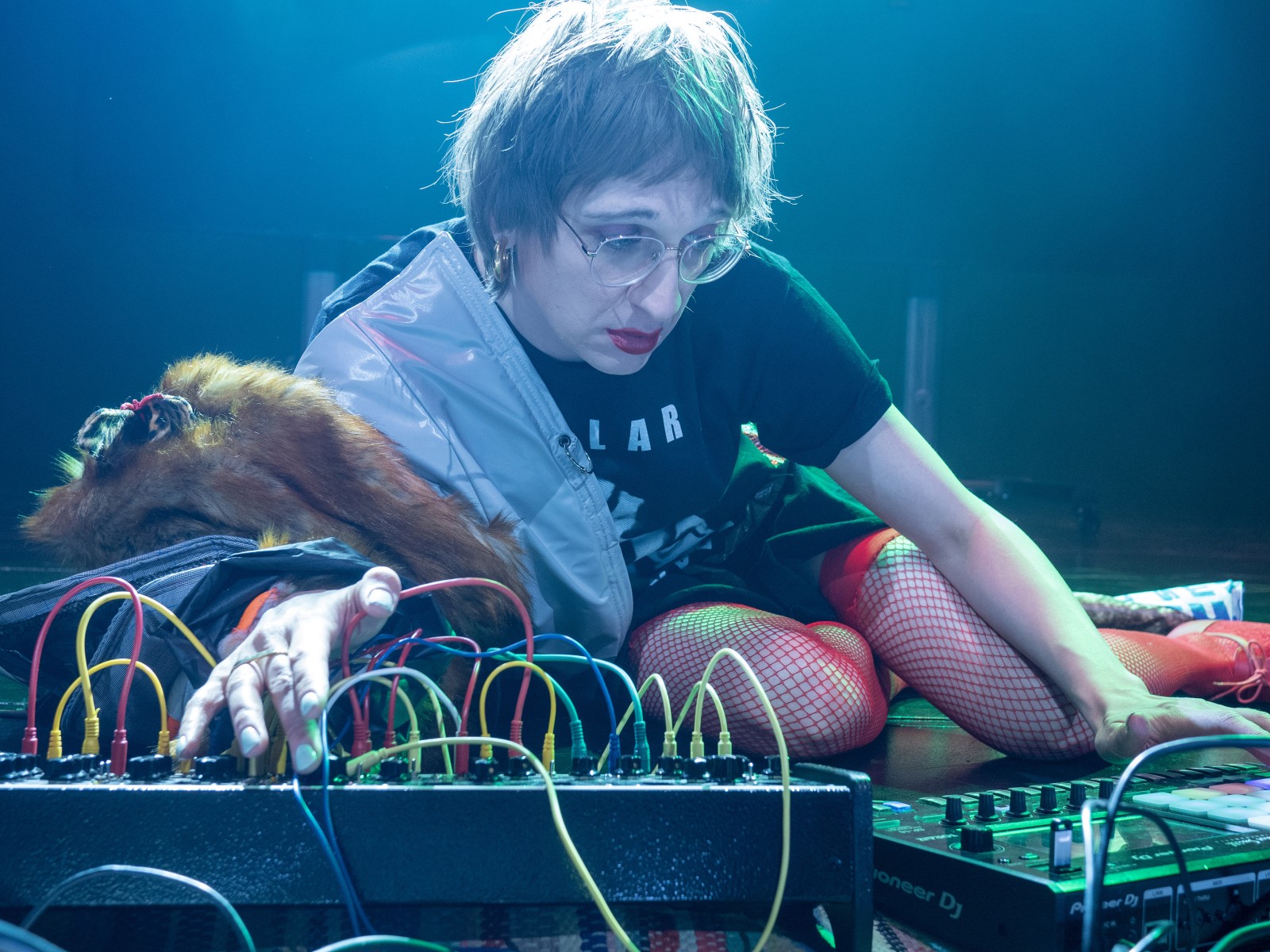
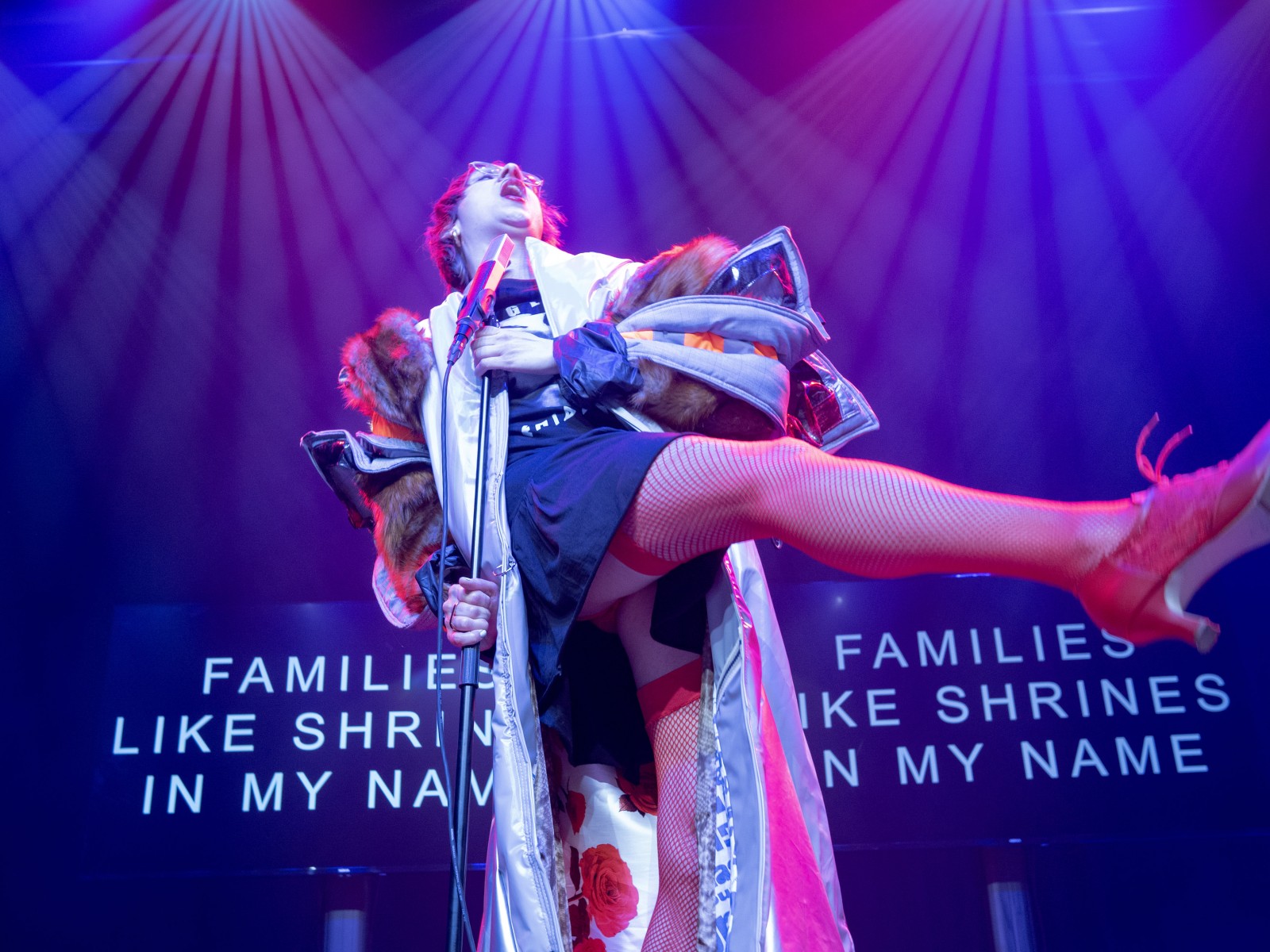
Empty Stage is artist Kaino Wennerstrand’s theatrical performance about the stages of our lives that refuse to remain empty. Wennerstrand’s solo work features a body that has always been on stage and knows nothing else.
Empty Stage can be read as this body’s revenge for the lifestyle that casually punishes all those who couldn’t – or didn’t want to come – into the empty Scandinavian apartments to play dollhouse.
In her work, Wennerstrand is looking for a Western gaze that sees emptiness where there is life. An empty theatre stage, or one that pretends to be empty, is the clever half-sister of destructive colonialism.
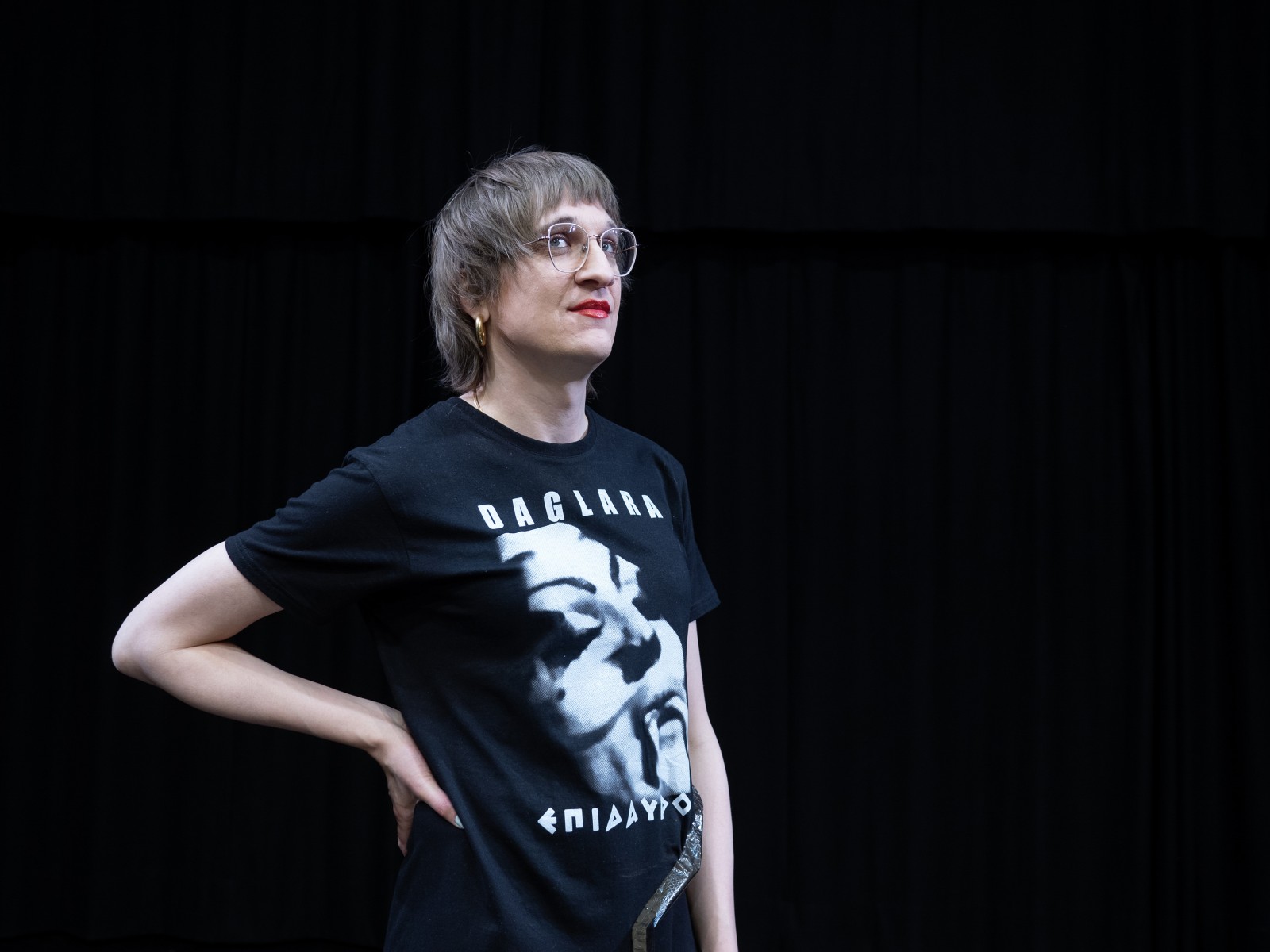
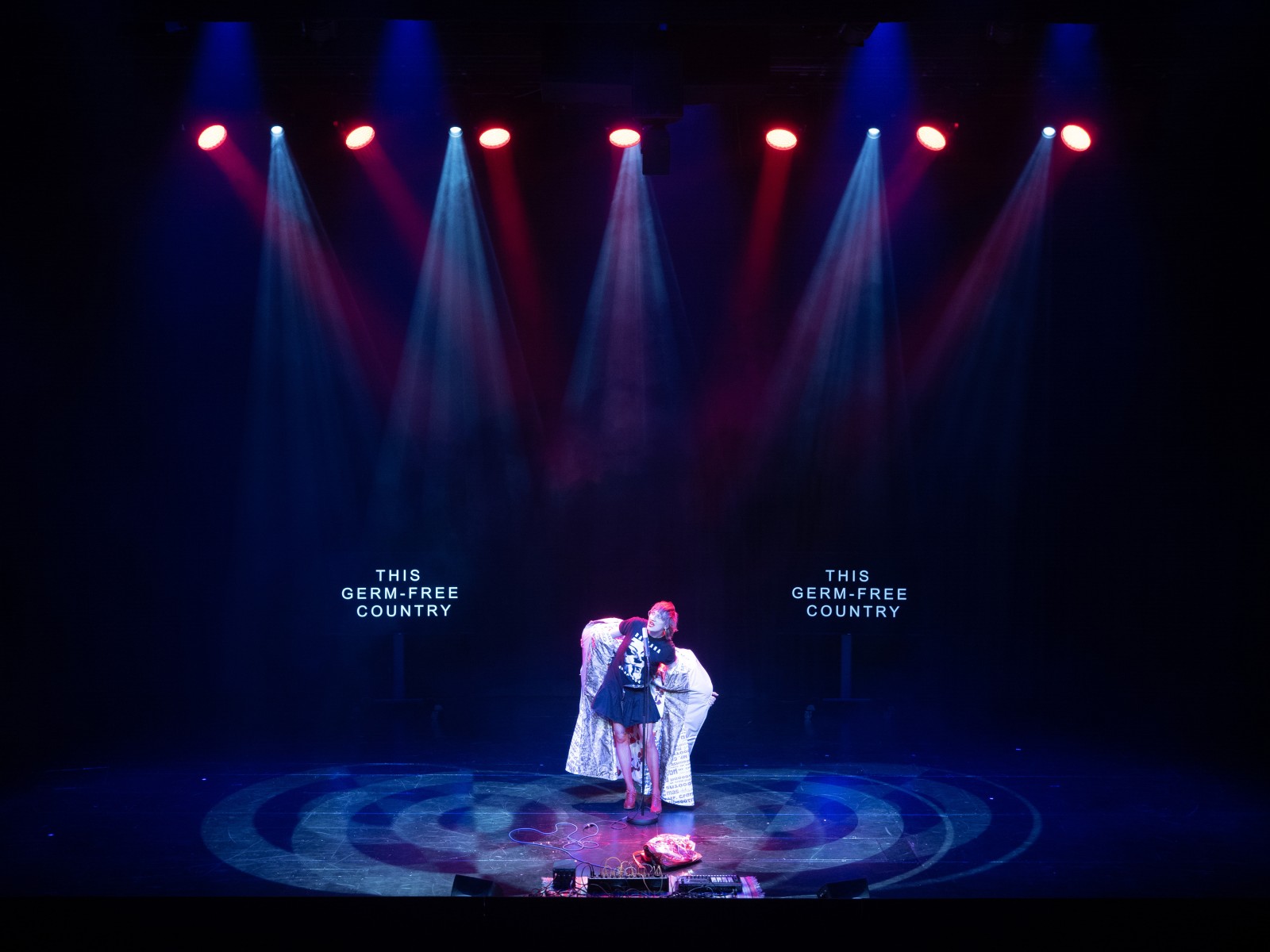
The performance draws inspiration from plays in which revenge is total, such as Seneca in Medea. It plays with the horrors of the inner stages familiar from Samuel Beckett’s The End of the Game. In addition to stage scenes, the work consists of musical performances produced and arranged by Karin Mäkiranta, known from the band Babel, among others. The lighting is by Pietu Pietiäinen, the mixing is by IljaPippa and the costume design is by Daglara from Athens.
Empty Stage is a continuation of Wennerstrand’s earlier performance Fixit, which asked about the collective feelings caused by the European Union and NATO. In his other works, Wennerstrand has dealt with e.g. The political significance of the Finnish Broadcasting Company (Kuulatelija, Yle Radio 1) and the seniorising society (Hopeasija, HKT, Yle Radio 1 and Frame Finland). Performance production: Helsinki City Theatre’s Contemporary Performance Stage. The stage for the current performance is supported by Kone Foundation in 2024–2025.
/////
Empty Stage is artist Kaino Wennerstrand’s theatre performance about the stages of our lives that seem empty, even though they’re not. Wennerstrand’s solo is guided by a body that has been on the stage forever, unaware of the world outside.
In a sense, Empty Stage is this body’s revenge for the lifestyle, which, as if in passing, punishes all those bodies that couldn’t – or didn’t want to – enter the bright, empty Scandinavian apartments to play dollhouse.
In her performance, Wennerstrand is on the lookout for the Western gaze, which sees emptiness where there is life. The theater stage, trying to pass for empty, is the shrewd half-sister of a destructive colonialism.
The performance draws its inspiration from plays where revenge is total, such as Seneca’s Medea. It brings up the familiar horrors of inner stages from Samuel Beckett’s Endgame.
In addition, the piece consists of musical performances produced and arranged by Karin Mäkiranta, known from the band Babel. Pietu Pietiäinen is responsible for the lights and live sound is mixed by Ilja Pippa. Costume design by Daglara.
Empty Stage is a continuation of Wennerstrand’s previous show Fixit, an inquiry for the collective emotions caused by the European Union and NATO. In her other works, Wennerstrand has discussed e.g. The political importance of public radio (Kuuntelija, Yle Radio 1) and the aging society (Hopeasija, HKT, Yle Radio 1 and Frame Finland).
Produced by the Helsinki City Theatre’s Stage for Contemporary Performance. The Stage for Contemporary Performance is supported by Kone Foundation in 2024-2025.
No comments yet