Hissvägraren
Note: No longer in repertoire!
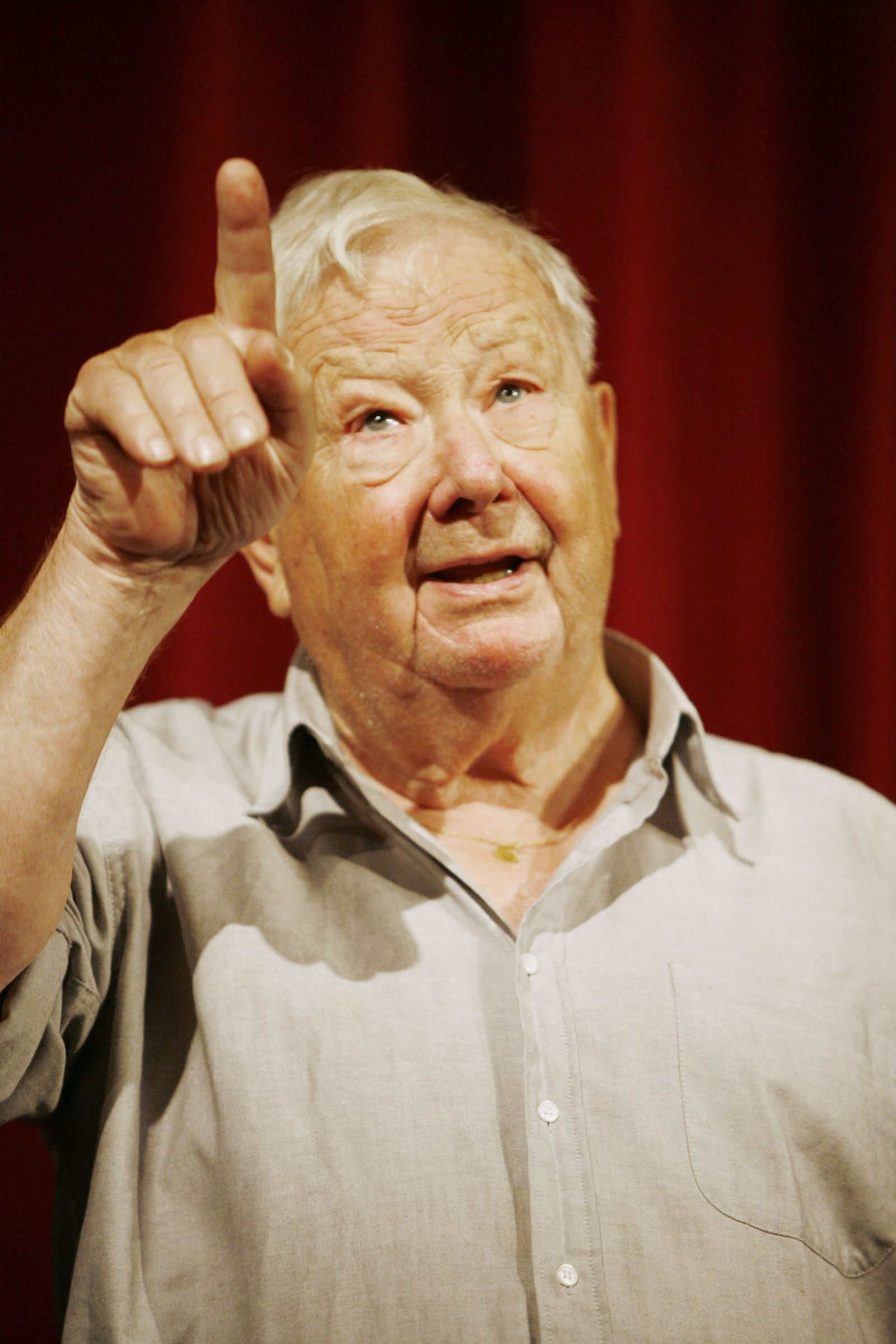
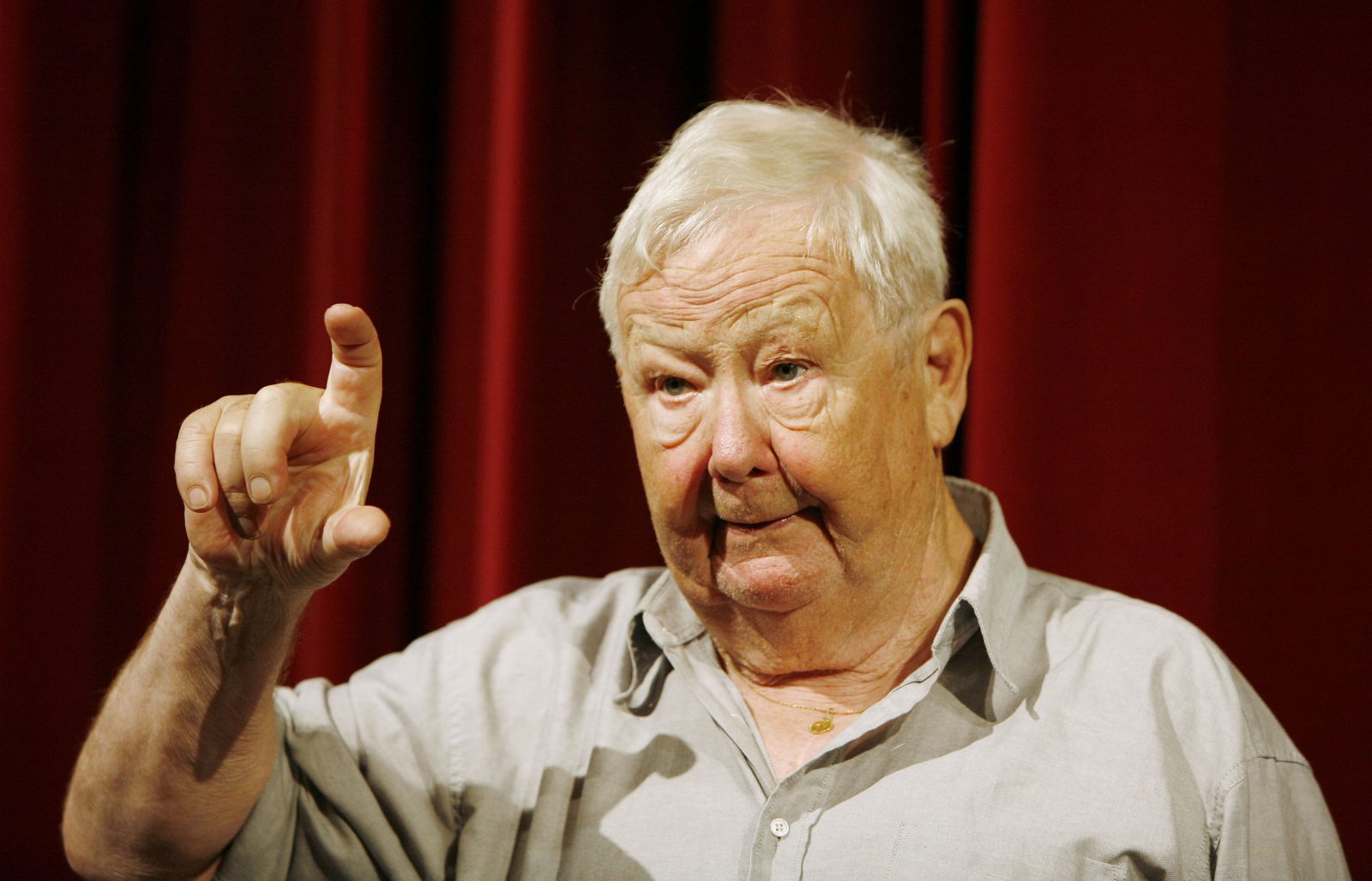
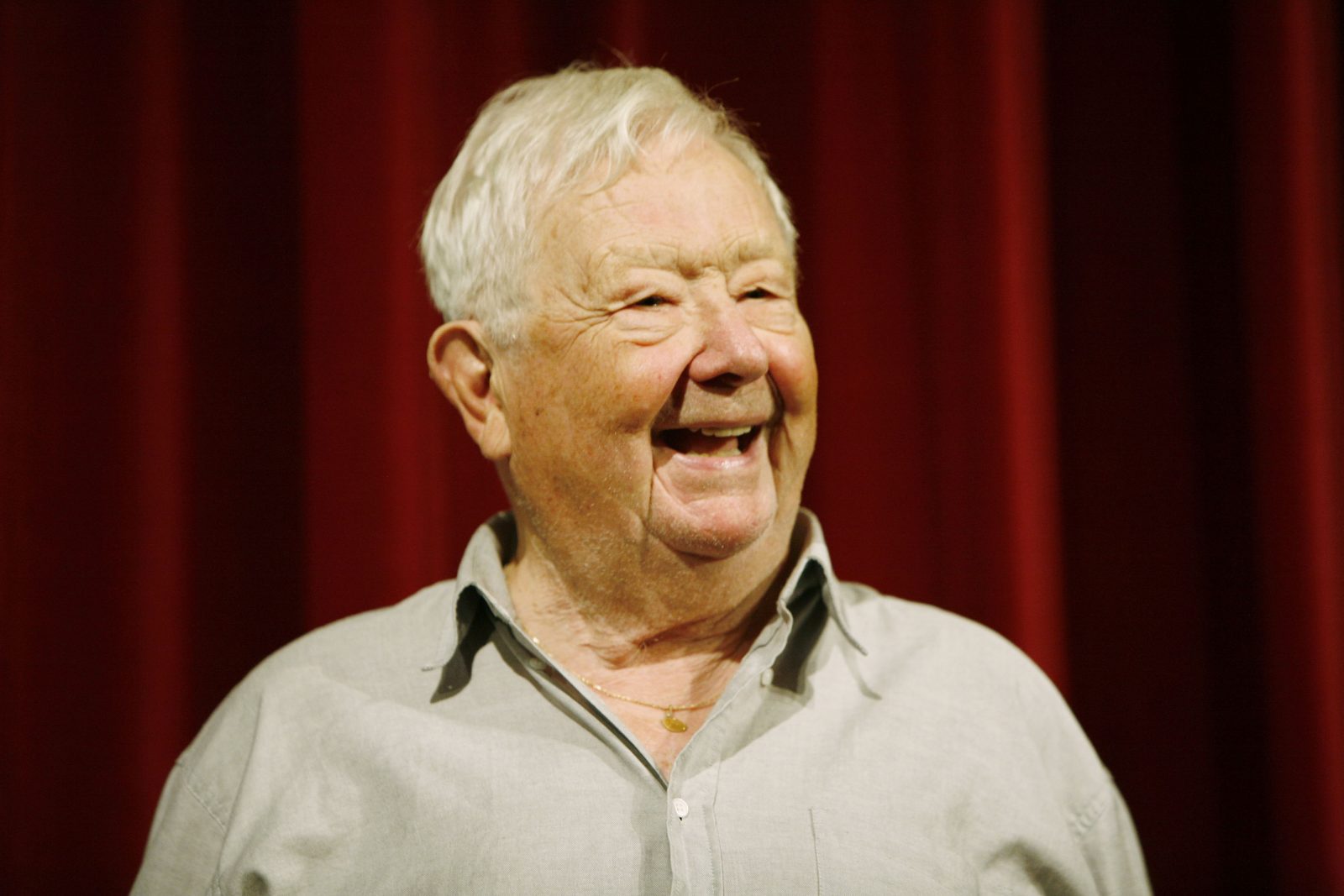
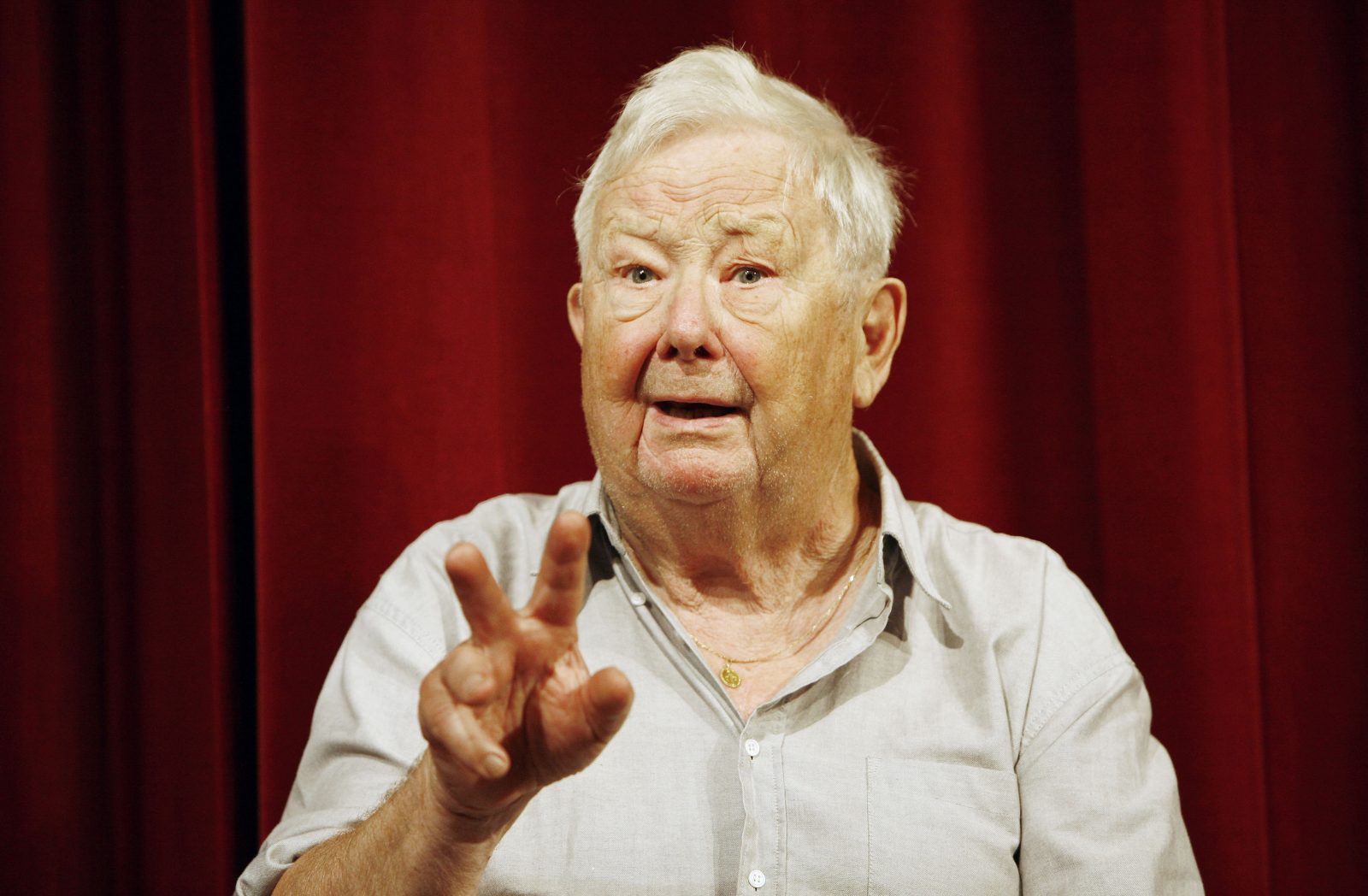
On stage: Lasse Pöysti
Director: Bengt Ahlfors
Light: Jan-Erik Pihlström
Accessibility tools
AI-translated page—pardon any small errors!
Note: No longer in repertoire!
On stage: Lasse Pöysti
Director: Bengt Ahlfors
Light: Jan-Erik Pihlström
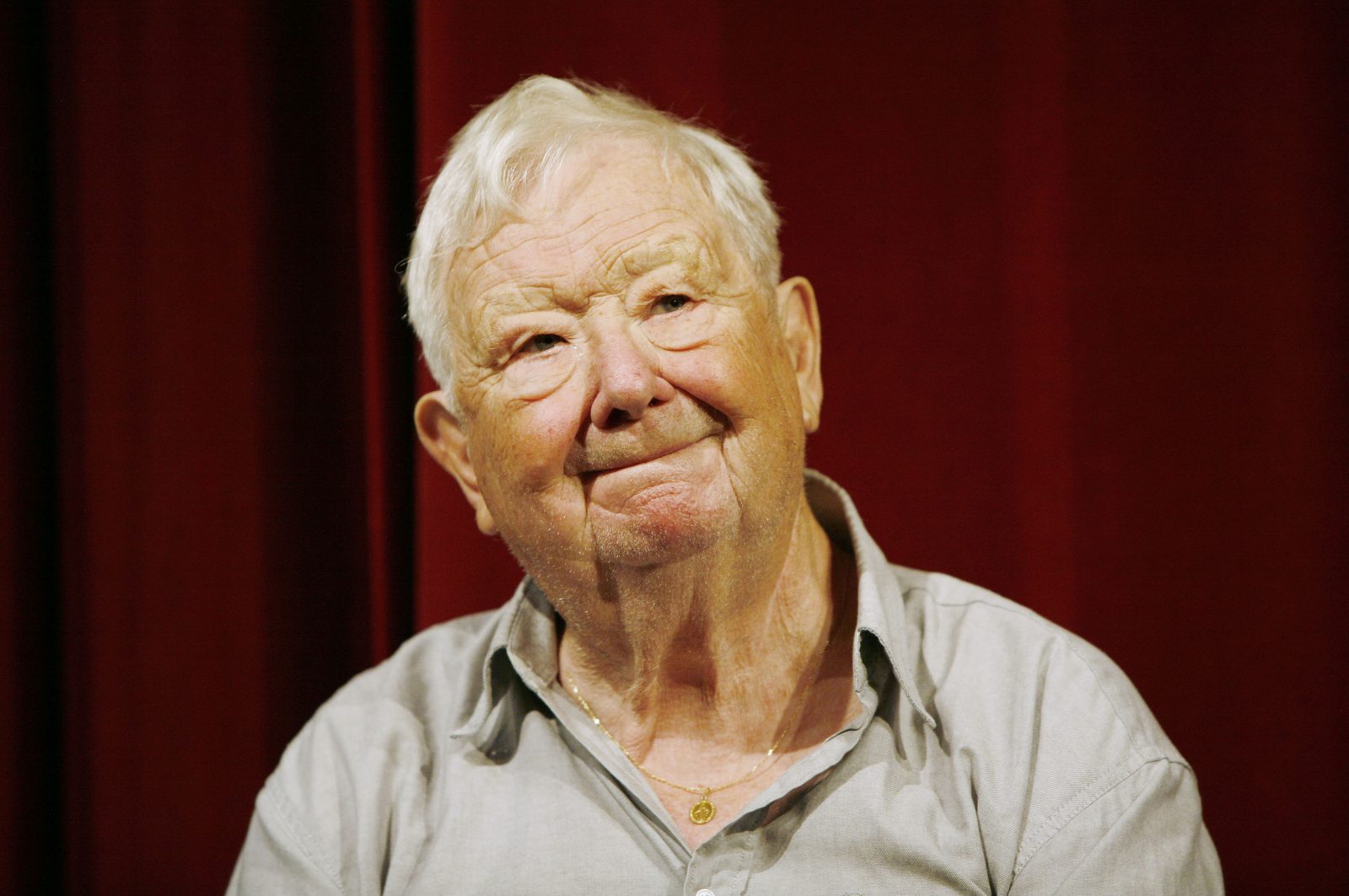
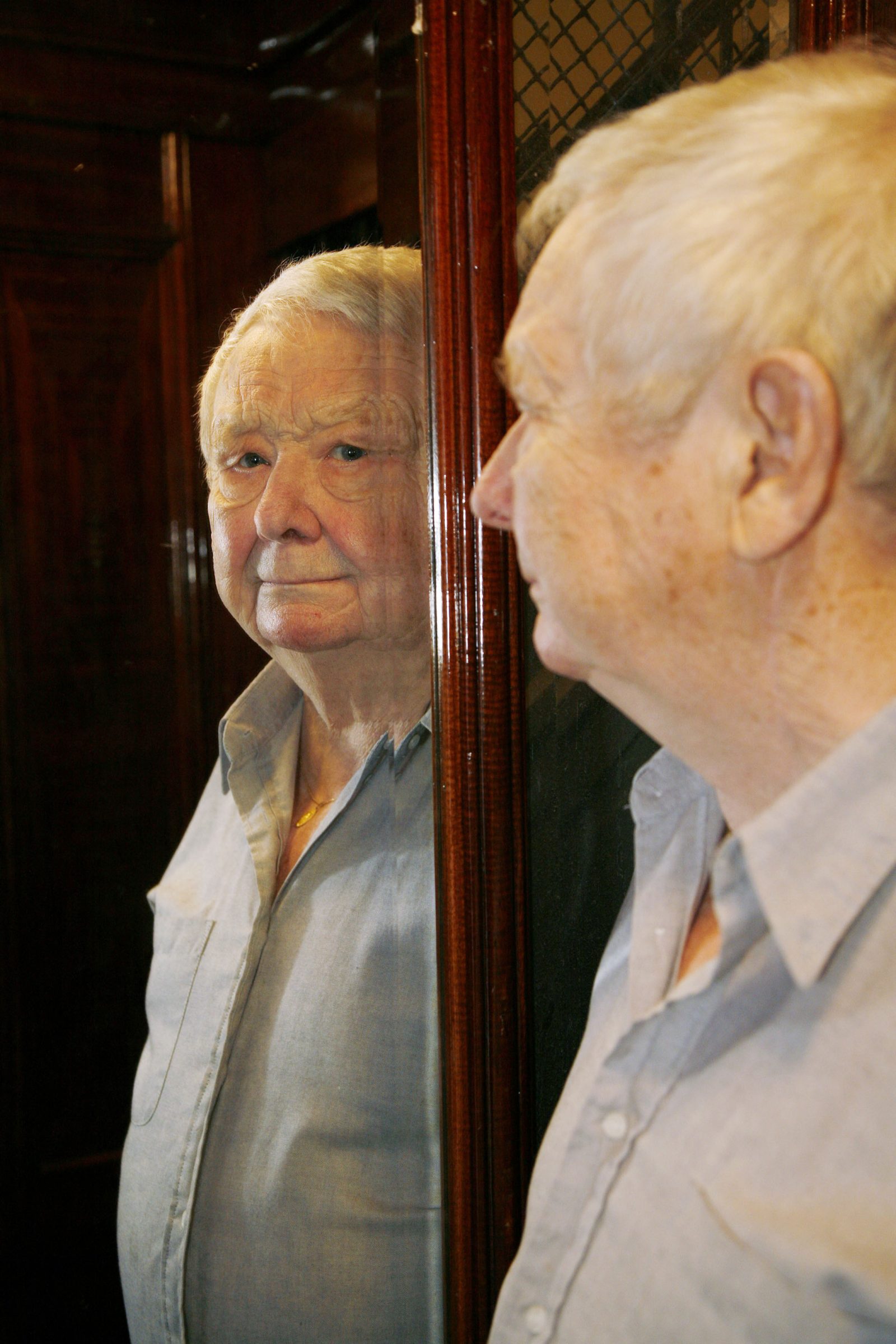
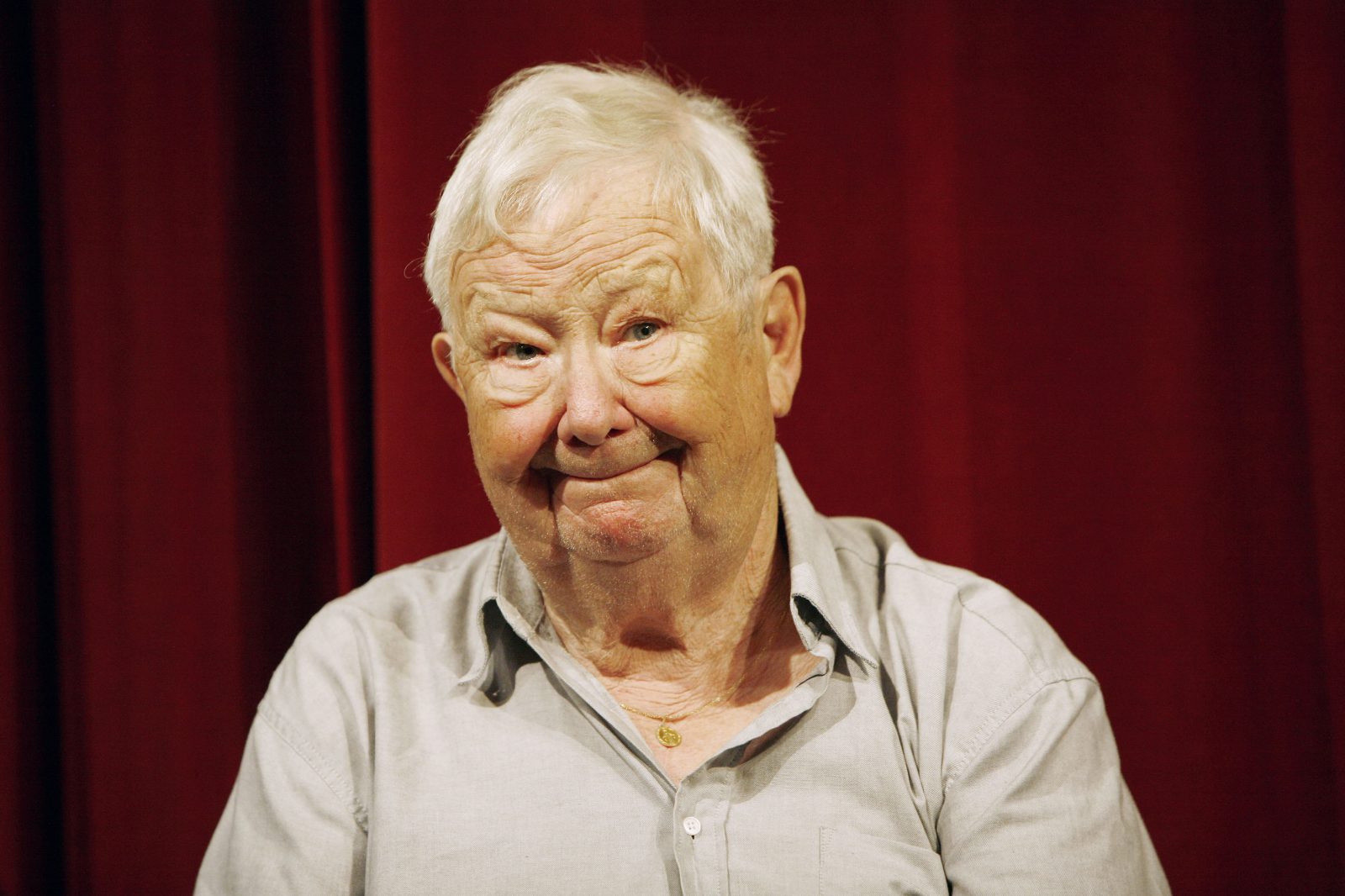
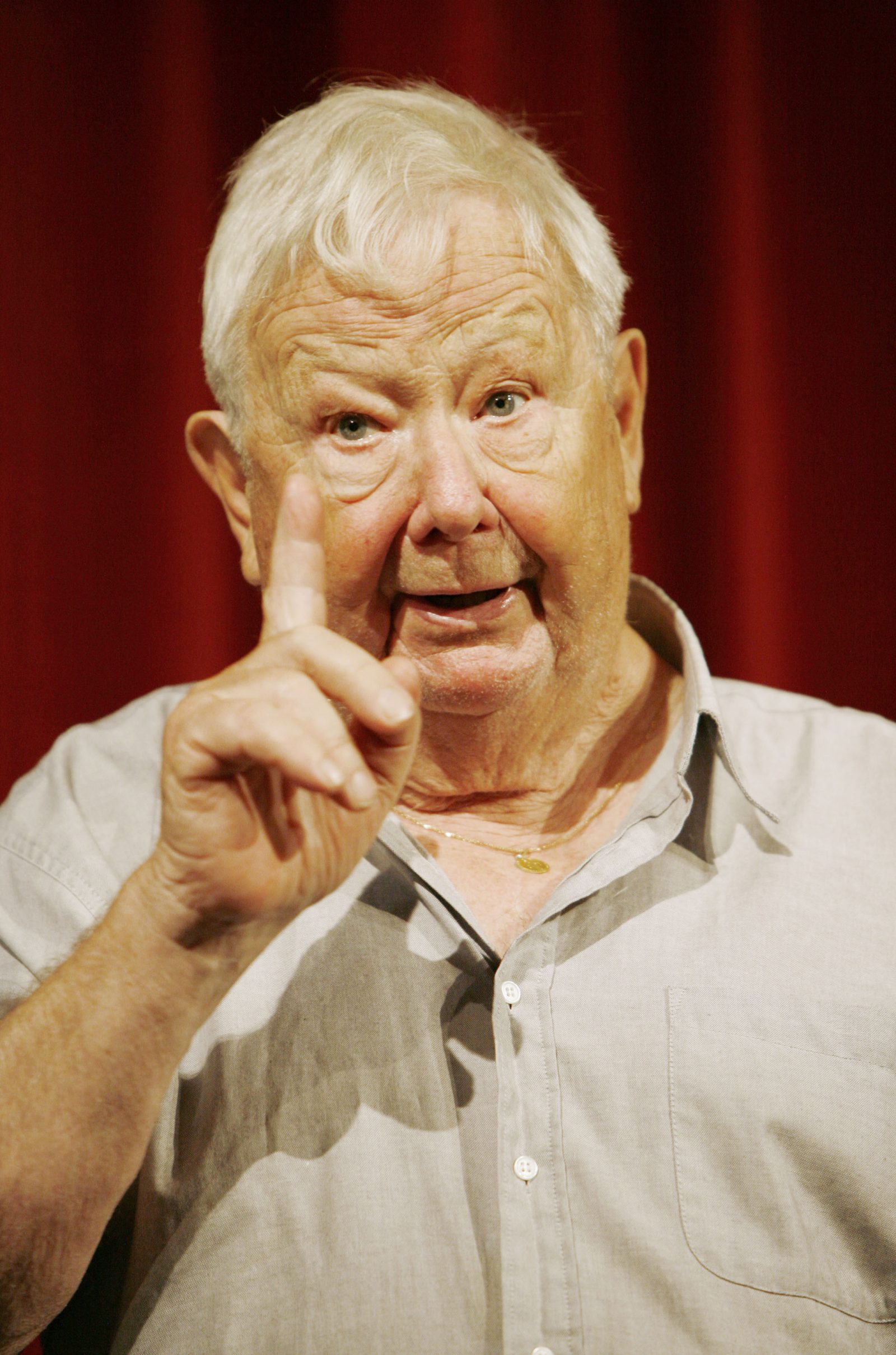
SUBTLE ELEVATOR DRAMA PAINTS AN ENTIRE PANORAMA OF LIFEWith a rich, meaning-filled text and direction by Bengt Ahlfors and with Lasse Pöysti’s charismatic stage charisma, the monologue The Elevator Refuser at Lilla Teatern becomes an experience. The monologue performance, which lasts just over an hour and a half, retains its intensity and fascination from beginning to end. Gradually, the text, direction and Lasse Pöysti’s strong performance build up an atmospheric, moving, melancholy and softly comic portrait of a lonely old man who looks back on his life and tries to overcome his isolation. The theme is loneliness, which is described through different situations, relationships, philosophical reflections and other existential solutions. Bengt Ahlfors manages to include both warm sensitivity, wisdom of life, a lot of humour and ingenious, tragicomic and absurd details in this play about contact difficulties, disappointments and small joys. He has also superbly transferred these textual elements to his direction of the play. The elevator refuser is the boy, the man, the elderly who both refuses and does not refuse to ride the elevator. The Kone elevator in the house where the elevator refuser has lived since childhood becomes Enoch in its mirrored form. And it is with Enoch that the elevator refuser communicates in different ways during his childhood and later life.The elevator refuser lives on Caloniuksenkatu on the seventh floor and gradually creates a multifaceted relationship with Enoch, which turns out to be one of the nobility of elevators. Sometimes it’s a matter of keeping fit and walking all the way up to the seventh floor, sometimes there are small compromises because the shopping bag is so heavy. In between, the elevator refuser remembers how he was bullied as a child and called hurri by the evil Matti, who later became an artist, drove himself to death and had a memorial plaque put up on the stairs. The elevator refuser also has a strong relationship with Grace Kelly . Both were born on the same day and the elevator refuser follows Kelly’s film career and princess life as an adult, mourning her death and remembering the day of her death every year. The dog Kafka, who lived to be eleven years old, also had an important place in the life of the elevator refused. And the elevator refused even promised not to get a new dog. It also becomes tragicomic when the elevator refuser tells how he visits funerals and weddings to experience closeness to people and community. In the end, the elevator refuser even wanders into a sex club.With his theatrical presence, Lasse Pöysti makes the text vibrate with life and builds a panorama of place and time that encompasses Helsinki, the world, events in the past and the present. From time to time, the fiction breaks down and Pöysti emerges as the actor who turns to the audience with reflections on the length of pauses, problems with memorizing the text and the credibility of the play. This move somehow further strengthens the relationship between the audience and the character and creates a clever dimension between reality and illusion, the real world and the world of the senses. The set design is minimalistic, a table, a chair, a rose in a vase in memory of Grace Kelly. The physical stage space is also stripped down, but Lasse Pöysti also fills it with his presence.
Read moreLONGING FOR THE ELEVATOR THE MAIN CHARACTER (Lasse Pöysti) is an old Etutöölö resident man, lonely Helsinki resident, whole I’ve lived in the same house all my life. First as a conversation partner was a single mother, after the death of her mother dog and after the dog’s death The old, personal elevator of the corridor (!)Loneliness is sad, of course, but also amusing, And by no means just pathetic. At times, loneliness can also be toned and respectable life of an “old, wise hermit”.Director and screenwriter Bengt Ahlfors says In the play Hissvägraren, a simple person a life story with nuances and shadows, and Precise details. The viewer is faced with A charming, charismatic actor who survives an hour and a half of work without gimmicks, supported by only unpointed lights and narrowed a kitchen slice staged on stage. Lasse Pöysti is genuinely old, with gestures and facial expressions and (controlled) fumbling. In addition to the role, On stage, the actor himself is very much on stage – the whole Pöysti’s career and crystallized over the years professionalism. And what is important: the language is clearly pronunciation and easy to understand even for Finnish speakers. Definitely recommended.
Read morePERSONAL ELEVATOR AND OTHER RESIDENTS OF THE BUILDINGActor familiar to many generations, Lasse Pöysti, is absolutely phenomenon: she is currently in two major roles in the Helsinki On the stages of the City Theatre and now in a monologue play in the same building Lilla Teaternissa. Written by Bengt Ahlfors specifically for Pöysti Hissvägrare (Elevator Refused) is an hour and a half long chat, which has a head and a tail. The whole story begins with a story called Kafka dachshund and ends with why an elderly man living alone Actually, I got a dog. The matter is by no means simple and without subplots.The life of the elevator building is enriched by a wide range of personalities from malice to a surprising newspaper deliverer. Ahlfors’ story says so an ordinary ordinary house with elevators and stairwells, so that The milieu cannot help but be depicted in the mind of every viewer. To this end, to tell a funny story, in the role of the self, could hardly be imagined other than Lasse Pöysti.Ahlfors’ plot development, metaphors and humour are so good seamlessly into Pöysti’s mouth, so that the surprises are dosed in time and taste great human. Hissvägraren is a small-scale theatre delicacy. At the premiere an elderly reminiscence of a fictional story and a real actor the roles were somewhat mixed, because Pöysti had to a few times to resort to the uninhibited in the steering booklet. With his charisma, he controlled the situations, even though he had an impact more embarrassed than the audience.At the latest with the final applause, the audience finally melted the facts and at times apparently deliberate mixing of fiction, when Pöysti snorted very carefully to take the first applause An absolutely adorable dachshund puppy in his arms!There are actors who make the room feel warm. The the nobility is Lasse Pöysti. Thank you very much again!
Read moreFINE-TUNED ABOUT LONELINESS Lasse Pöysti shines in a thought-provoking one-man showSometimes you can read in the newspapers about some mummified corpse that was found months or years after some loner died, alone and missing by no one. Almost every two weeks, someone is buried in Helsinki at the expense of the city, without relatives or friends. And contrary to what you might think, loneliness has not always been voluntary. In Bengt Ahlfors’ new play “The Elevator Objector“, the audience meets a man who is so lonely that he talks more to the building’s elevator than to any living soul. He is not a loner, it has just happened that way.He has never been able to get married or have children, his friends from school have died or dispersed in the wind, his co-workers have disappeared with retirement, his dog has been run over and he has promised never to get a new one. But then, after sixteen long years alone, he meets a stripping newspaper deliverer…The warm-hearted and delicate story is a kind of fairy tale for adults. It has many ingredients in common with Barbro Lindgren’s fine children’s story “The Tale of the Little Uncle“, which was staged at Wasa Theatre a few years ago. “The Elevator Refused” is Lasse Pöysti’s one-man show, the role is written exclusively for him and he tells the story that no one else can. With the right of age, he takes a little support from the script from time to time – Pöysti is 80 years old and will participate in the upcoming season in no less than three different productions, so you can’t exactly say that he is resting on his laurels and celebrating a quiet retirement life. Quite the opposite, since he is on stage every other night. To the happiness of the audience.
Read moreTHE REAR-VIEW MIRROR OF MEMORY SOMETIMES HAS TRAGICOMIC EDGESIn the ballad Eleanor Rigby , The Beatles ask themselves where all these things come from All the lonely people, where do they come from all come from?)On the stage of Lilla Teatern, there is at least one of them. It is a superb 80-year-old Lasse Pöysti , who in Bengt Ahlfors’ monologue The Elevator Refuser looks back on his life in a series of anecdotal stories, in which my in the laughter I are forced to swallow several lumps that insist on getting stuck in the neck. StagingThe monologue has autobiographical interfaces with Bebbe Ahlfors’ own life and is written and directed for Lasse Pöysti.The announcement already shows how an old rink excavation like Ahlfors is done.When Lasse Pöysti enters the stage, he has the script in his hand. Thereafter, creates an immediate and permanent contact with the audience through a direct address. The feat of letting Pöysti play several times during the course of the monologue “get off” and scroll to the right place in the text, also forms an illusion of forgetfulness, of course combined with with a benevolent understanding and forgiveness from the audience. It may one-man show to stand on a solid foundation. Frame with contrasts The Elevator Refuses is the lonely old man’s story about his life in the Helsinki, a life that on the surface could be characterized as meager and gray. He never married, he had a total of two monotonous work, the dog was his only friend and he walked alone on the paths.But the melancholy frame story has some necessary contrasts. On the one hand, Lasse Pöysti’s character is basically the positive affirmer of life, the one who sees the light rather than the shadows. On the one hand, life has made him a good-natured but strange Kuf, who, like many other lonely people, created his own rules and rituals, such as his lifelong worship of Grace Kelly , who happened to be born on the same day as him. MirroredHis strangest peculiarity, however, is the dialogues with the elevator Enoch in his dwelling houses. The name came about when the old man as a little parvel came to read Kone nameplate facing backwards in the elevator mirror.Much later, after the doctor’s advice to exercise more, he becomes too for a short time refuse to lift the elevator, but quickly develops intricate rules for when And how he is still allowed to use the elevator, rules that he also cheats with and thumbs up at their own discretion.Several other comic elements of the monologue have a great recognizable factor and is about, among other things, slipping into funerals and funerals – “At weddings, the catering is better than at funerals, at funerals, on the other hand, better speeches are given.”But under the laughter, more or less pent-up undercurrents are bubbling of sadness and melancholy. They are not just based on some direct Jonas Gardellika childhood traumas, but also in shortcomings and failures attempts to contact people later in life.What the text in The Elevator Refuser sometimes loses out on by periodically be too long and drawn-out, Lasse Pöysti remedies that with a performance where every facial expression, tone of voice, gesture and pause is the Superb master’s. It is not wrong to say that Lasse Pöysti in The elevator refuses demonstrates what great acting means.And even though the target group is aimed at middle-aged upwards, it is of course, the elderly who primarily recognize themselves in the elevator’s warm, humane, yet slightly distorted reflection.
Read more