Morfars mauser
Note: No longer in repertoire!
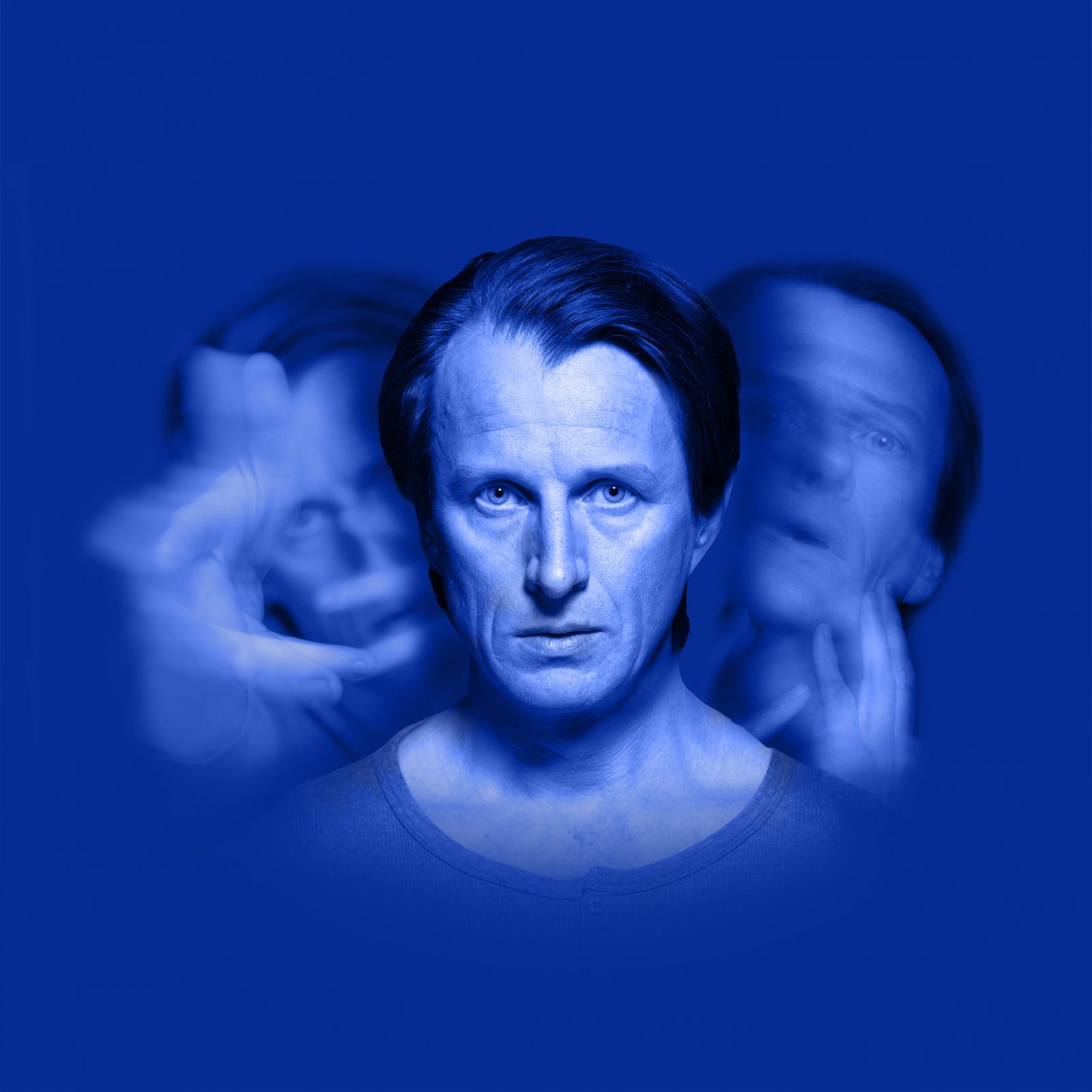
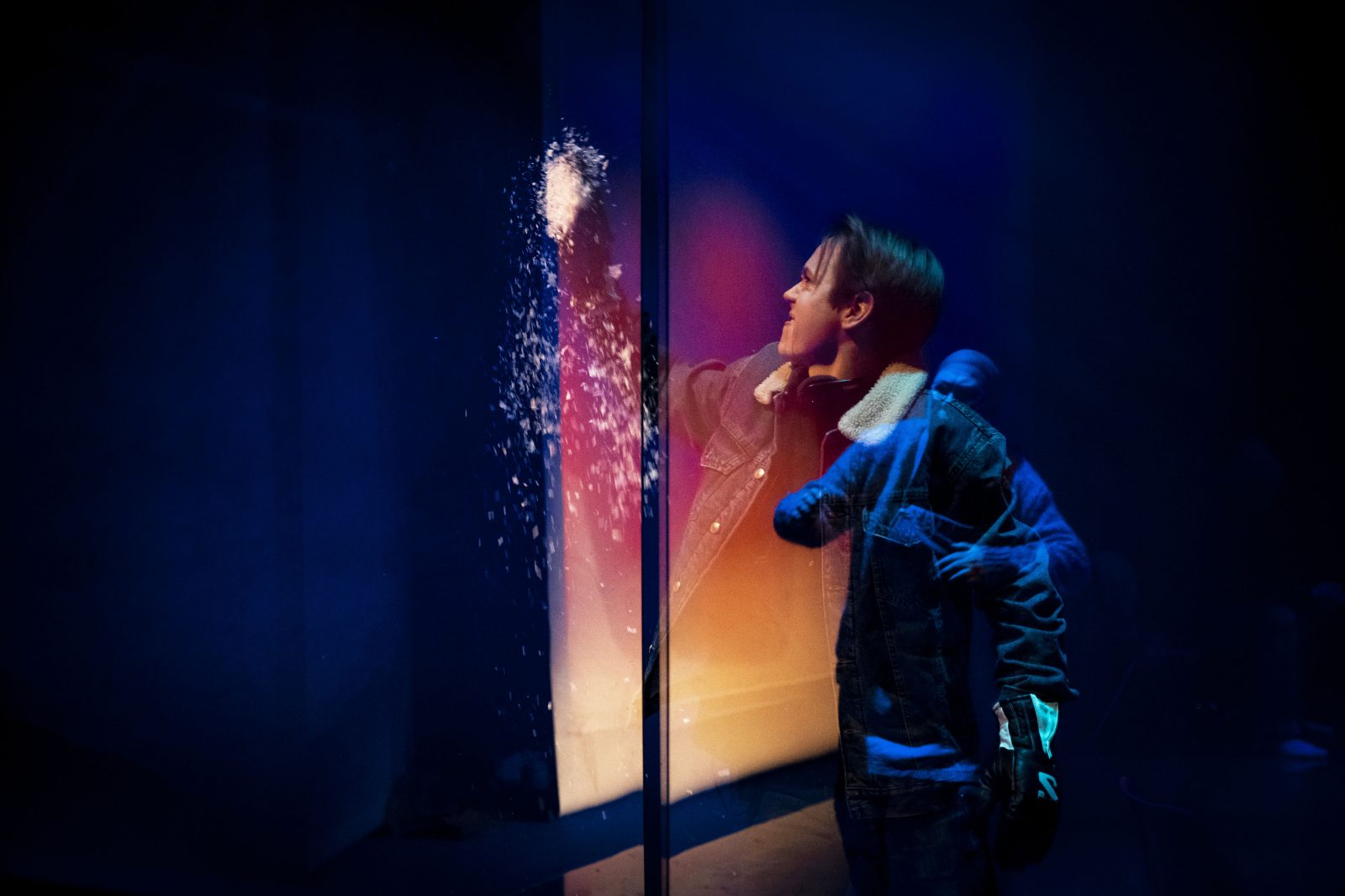
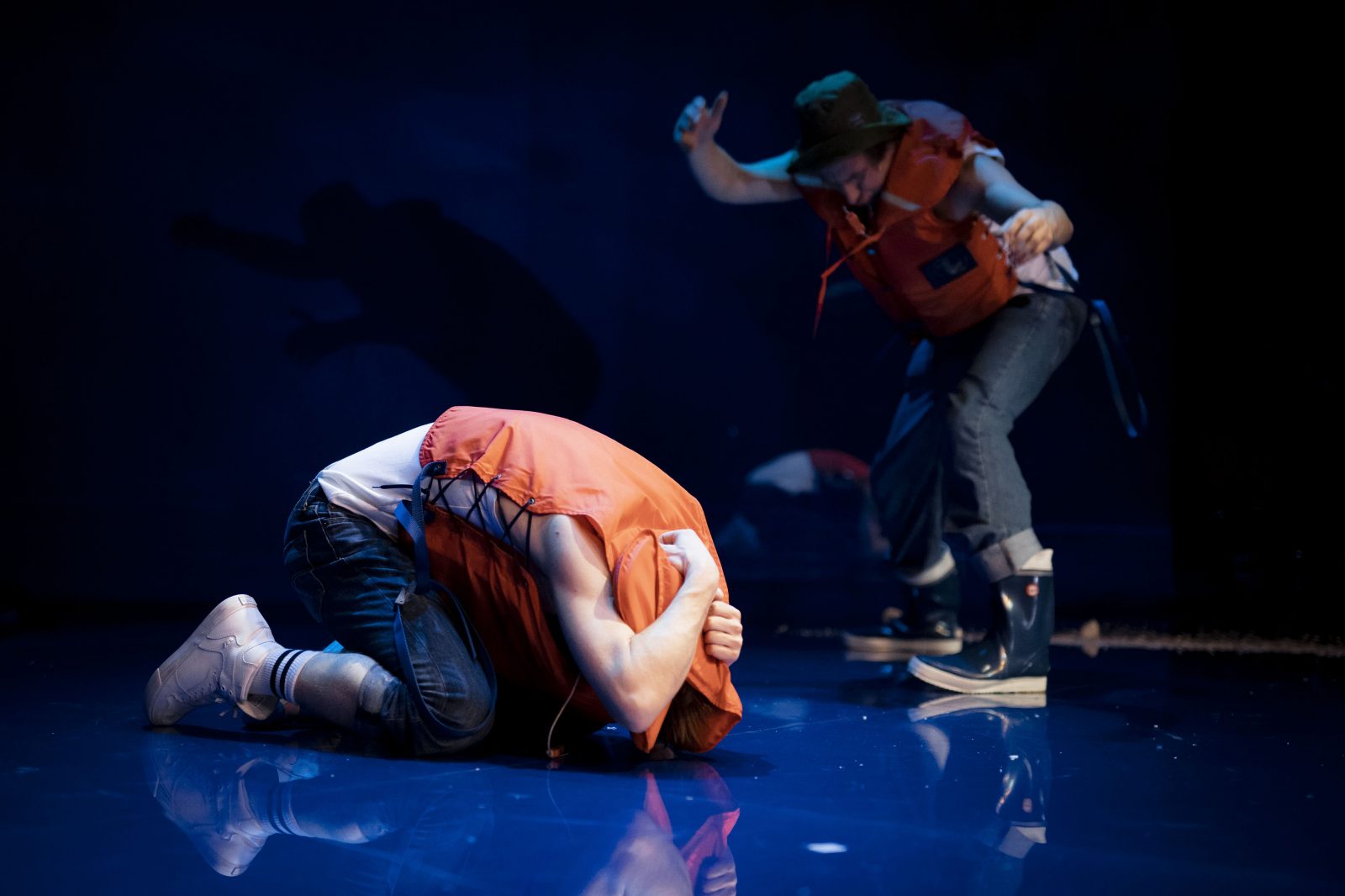
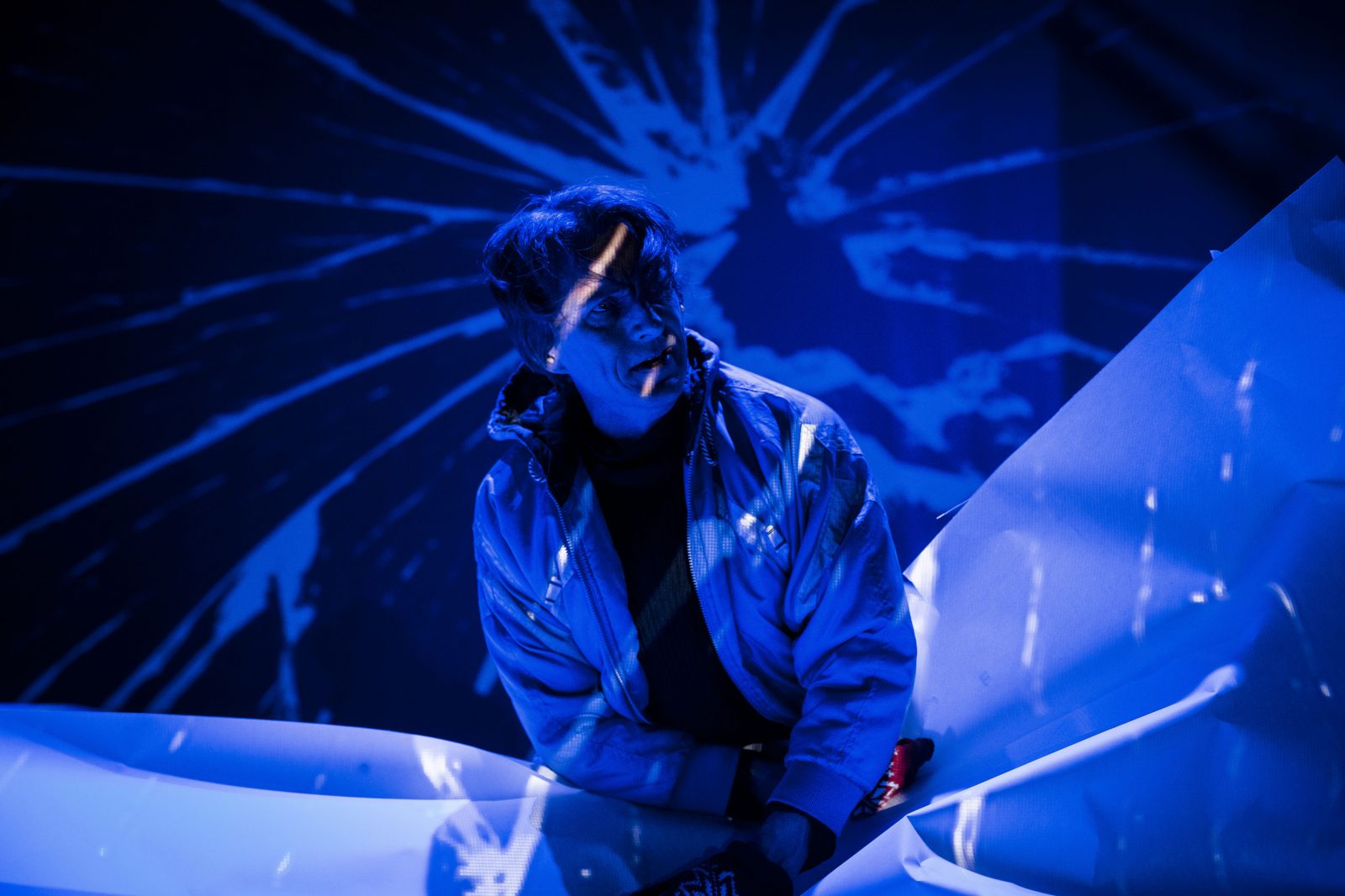
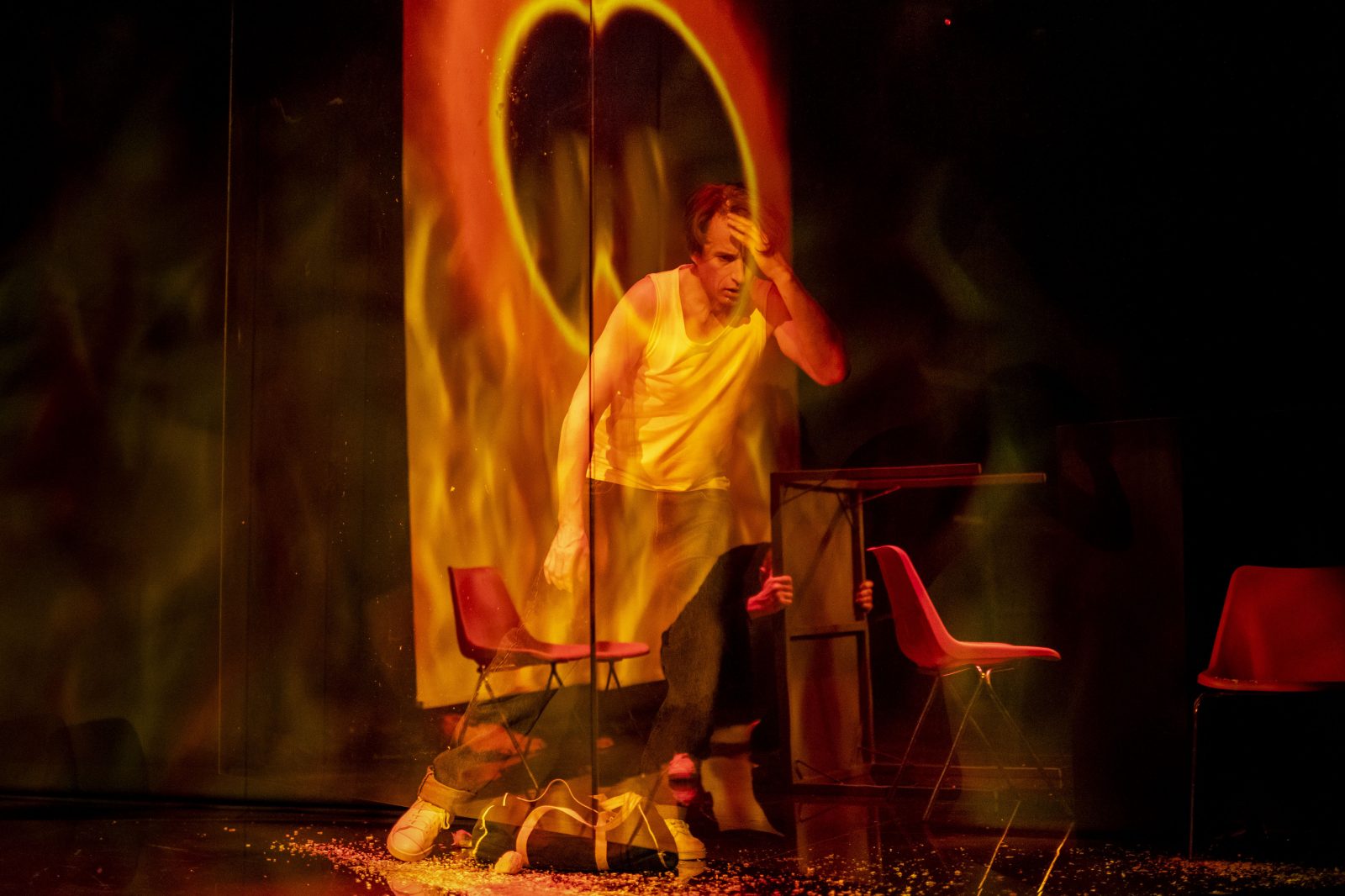
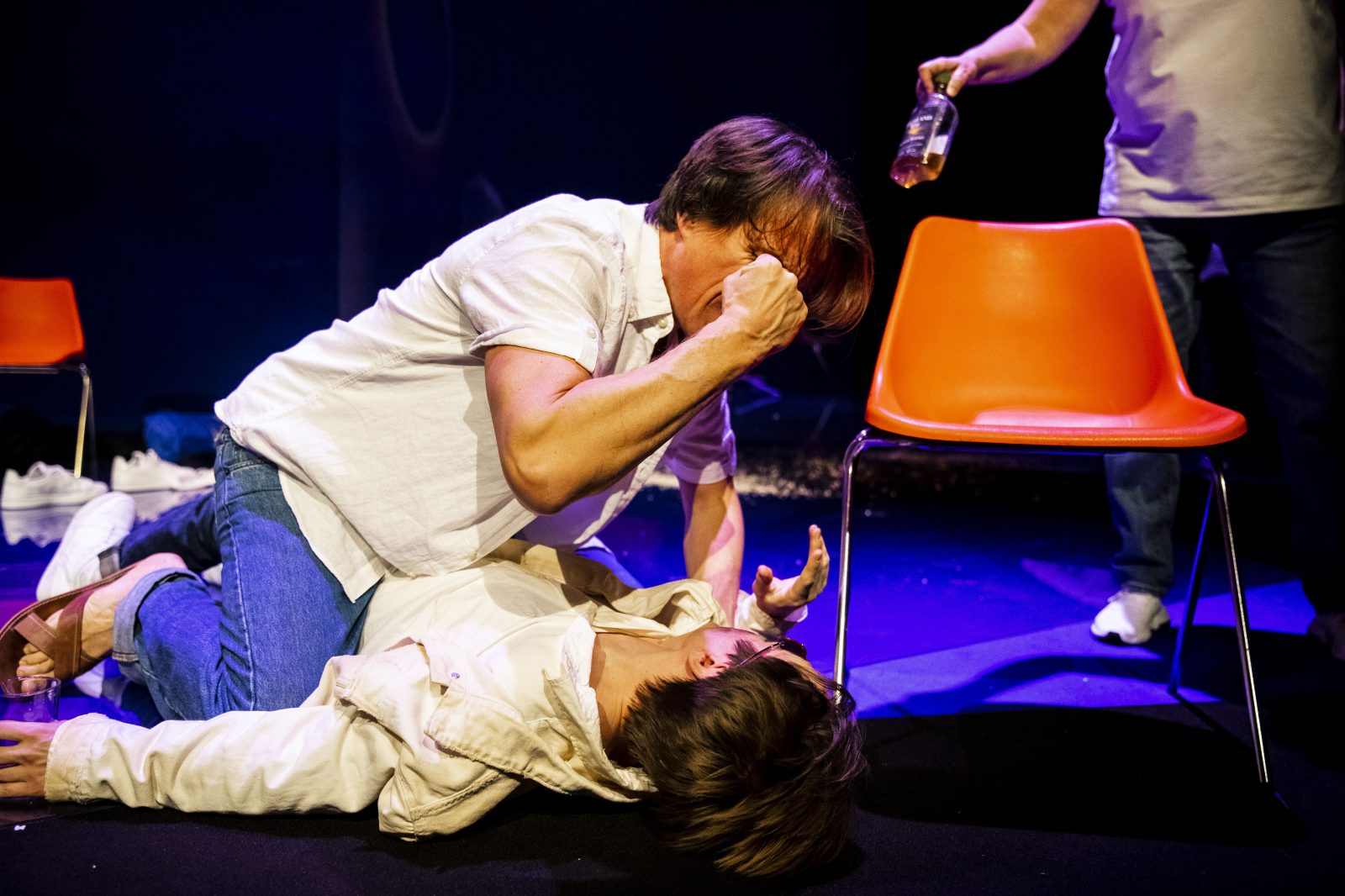
Celebrity meteorologist Rolle is about to go on air when he receives a call that makes everything go black. He is hurled headlong back into his own repressed subconscious, with melting snow trickling beneath his shirt and mocking laughter echoing in his ears. The hatred, betrayal and unhealed wounds are laid bare, along with the realisation of what might have happened when violence breeds violence.
What goes on beneath the surface of a troubled mind, shattered by a group of kids simply looking to pass the time? This is the question posed by award-winning science journalist Marcus Rosenlund in his new play Morfars Mauser. Rosenlund, who was severely bullied while growing up, draws on his own experiences and uses the characters Rolle and Henrik to reflect on what happened—and what might have happened.
“It took me years even to realise how horrific and dark my thoughts had been. At the time, I did not understand the scale and depth of the black abyss whose edge I had been balancing on. I had no idea of the potentially devastating consequences. I just wanted to silence the laughter and the taunts,” says Rosenlund, who happened to find an old Mauser pistol in his grandfather’s wardrobe in the midst of that bleak period.
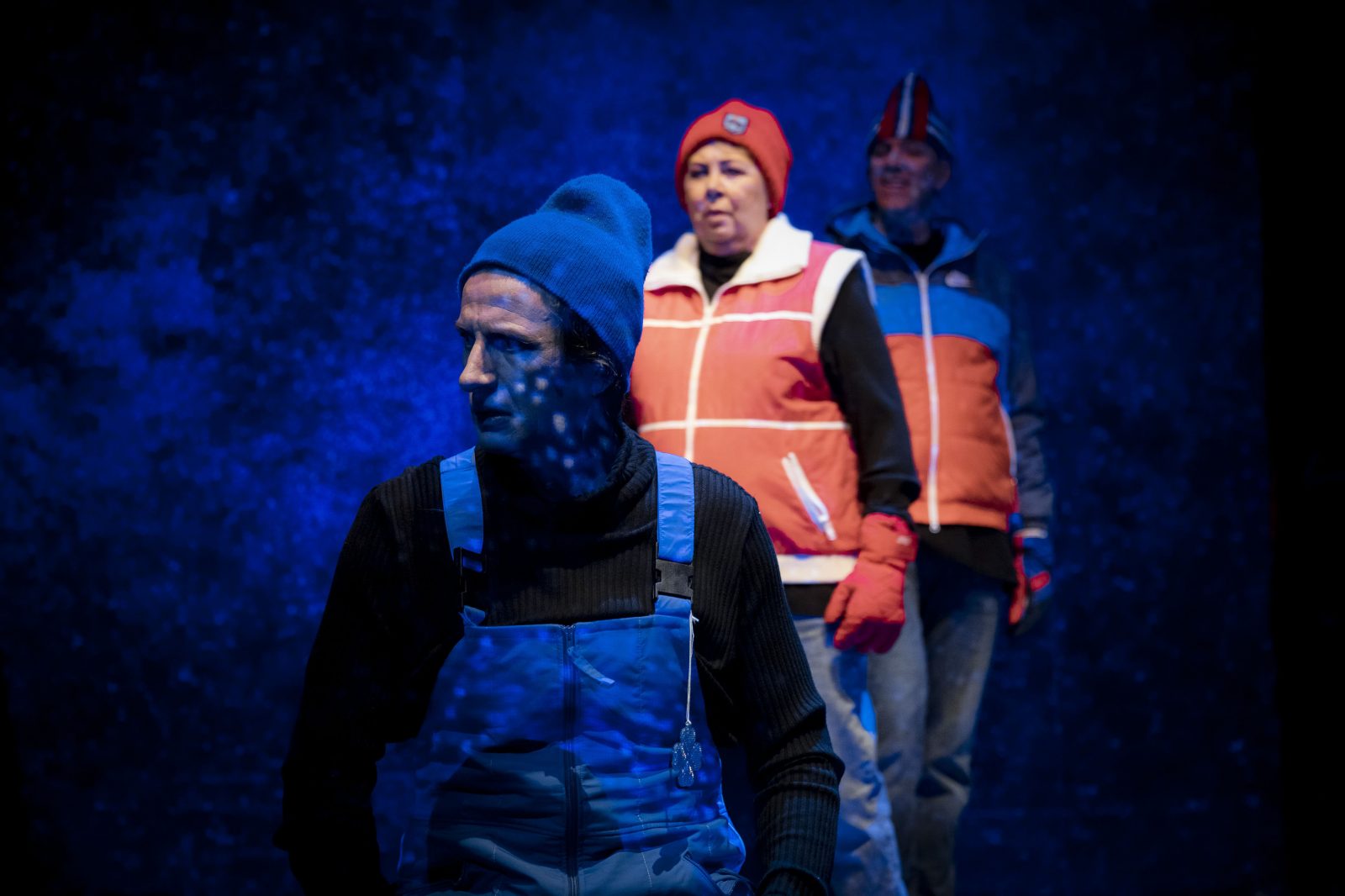
In Michaela Granit’s vibrant production, the emotional weather map of the protagonist, Rolle, is transformed into a powerful story of vulnerability and social divides, making room for his grandfather’s wartime trauma as well as sausage sandwiches in his grandmother’s kitchen. Despite the darkness, a glimmer of light breaks through the clouds—and perhaps a path towards reconciliation.
Celebrity meteorologist Rolle is about to go live when he receives a call that makes everything go dark. He is hurled uncontrollably back into his repressed subconscious, where melted snow trickles beneath his shirt and cruel laughter echoes in his ears. The hatred, betrayal and unhealed wounds are laid bare, along with the realisation of what might have happened when violence breeds violence.
What goes on beneath the surface of a troubled mind, shattered by a group of young people simply looking to pass the time? This is the question posed by award-winning science journalist Marcus Rosenlund in his new play, which premieres on 11.3. at Lilla Teatern. Rosenlund, who was severely bullied in his youth, draws on his own experiences and uses the story’s protagonists, Rolle and Henrik, to reflect on what happened and what might have happened.
“It took me years even to realise how horrific and dark the thoughts in my head had been. Once the bullying was over, I still did not understand the breadth and depth of the black abyss whose edge I had been balancing on. I had no idea what consequences it might have had. I just wanted to silence the laughter and the taunts,” says Rosenlund, who happened to find an old Mauser pistol in his grandfather’s wardrobe during that bleak period.
In Michaela Granit’s vibrant production, the protagonist Rolle’s emotional weather map is transformed into a powerful story of alienation and social divides, making room for his grandfather’s wartime trauma as well as sausage sandwiches in his grandmother’s kitchen. Despite the darkness, light glimmers through the clouds—and perhaps even reveals a path towards reconciliation.
Please note: The performance is in Swedish and is surtitled in Finnish via the THEA app.