Stalinin suloinen ruoska
Hanging comedyNote: No longer in repertoire!
By decision of the Helsinki Metropolitan Area Coronavirus Coordination Group, all our performance activities have been cancelled from Monday 23.11.2020 to Sun 13.12.2020.
We are in contact with customers who have booked and purchased tickets, so please wait patiently for our instructions, thank you!
Ticket sales are available by phone at (09) 3940 22 Mon-Fri 9 a.m.–5.30 p.m. Our ticket office on First Line is closed until further notice.
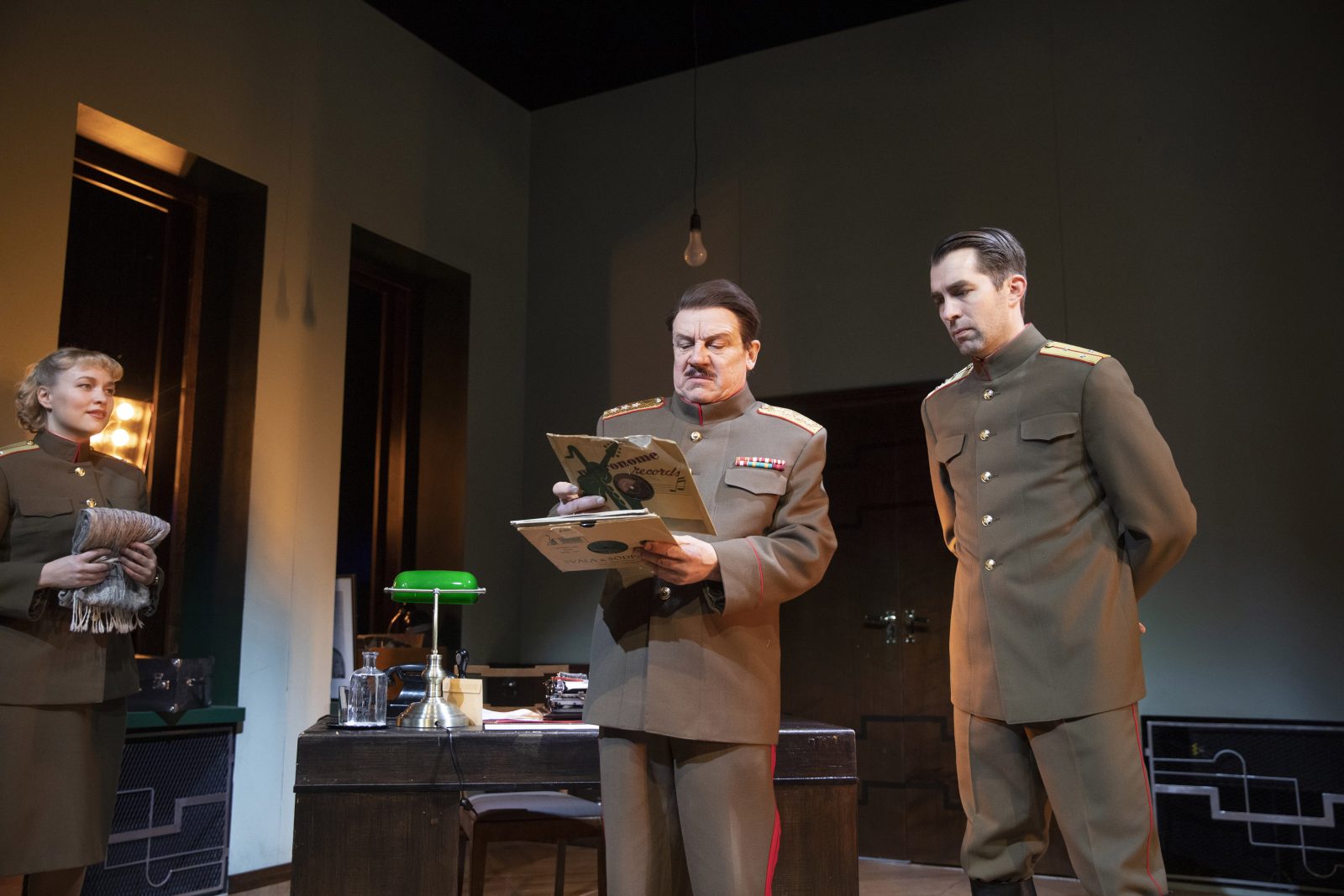
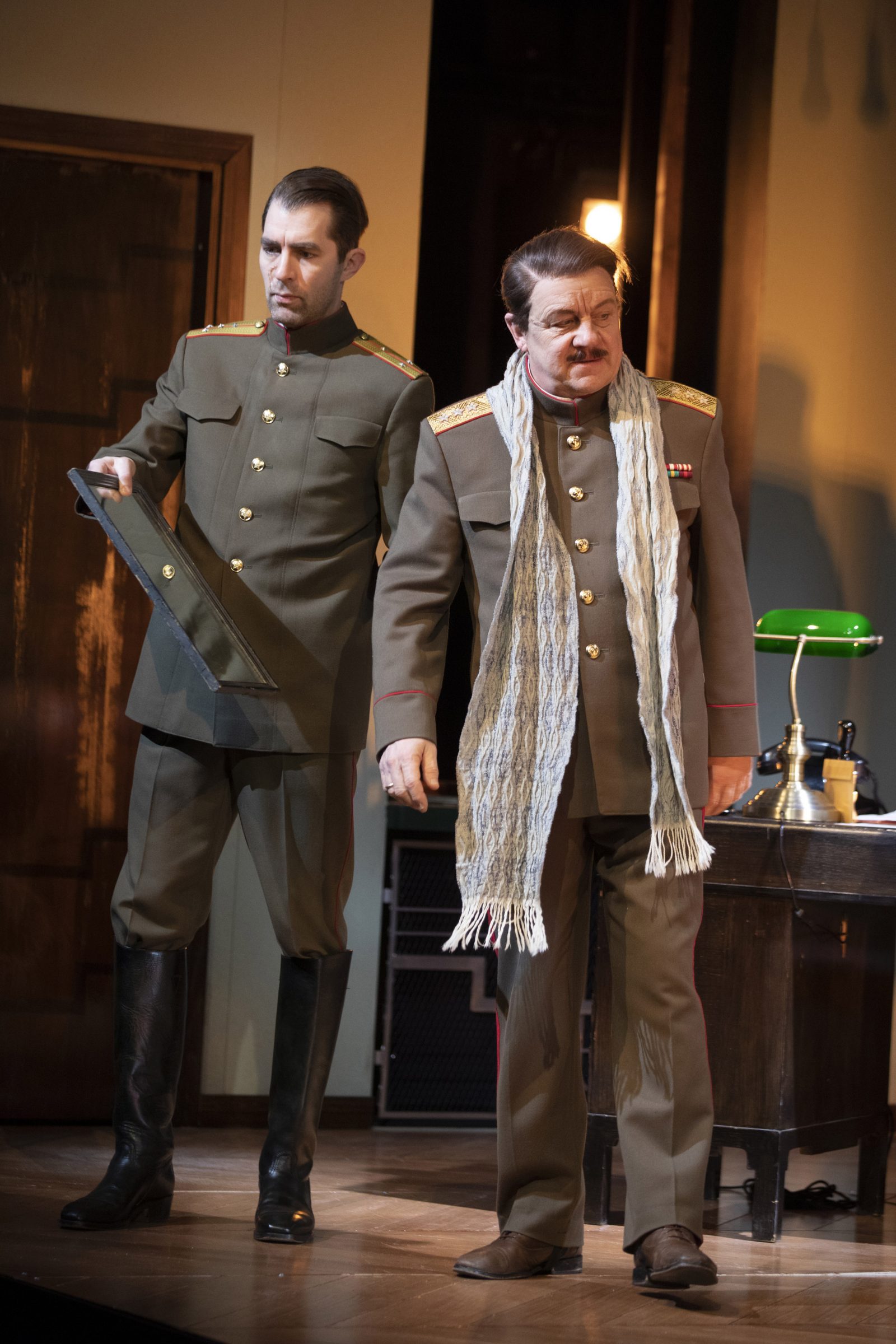
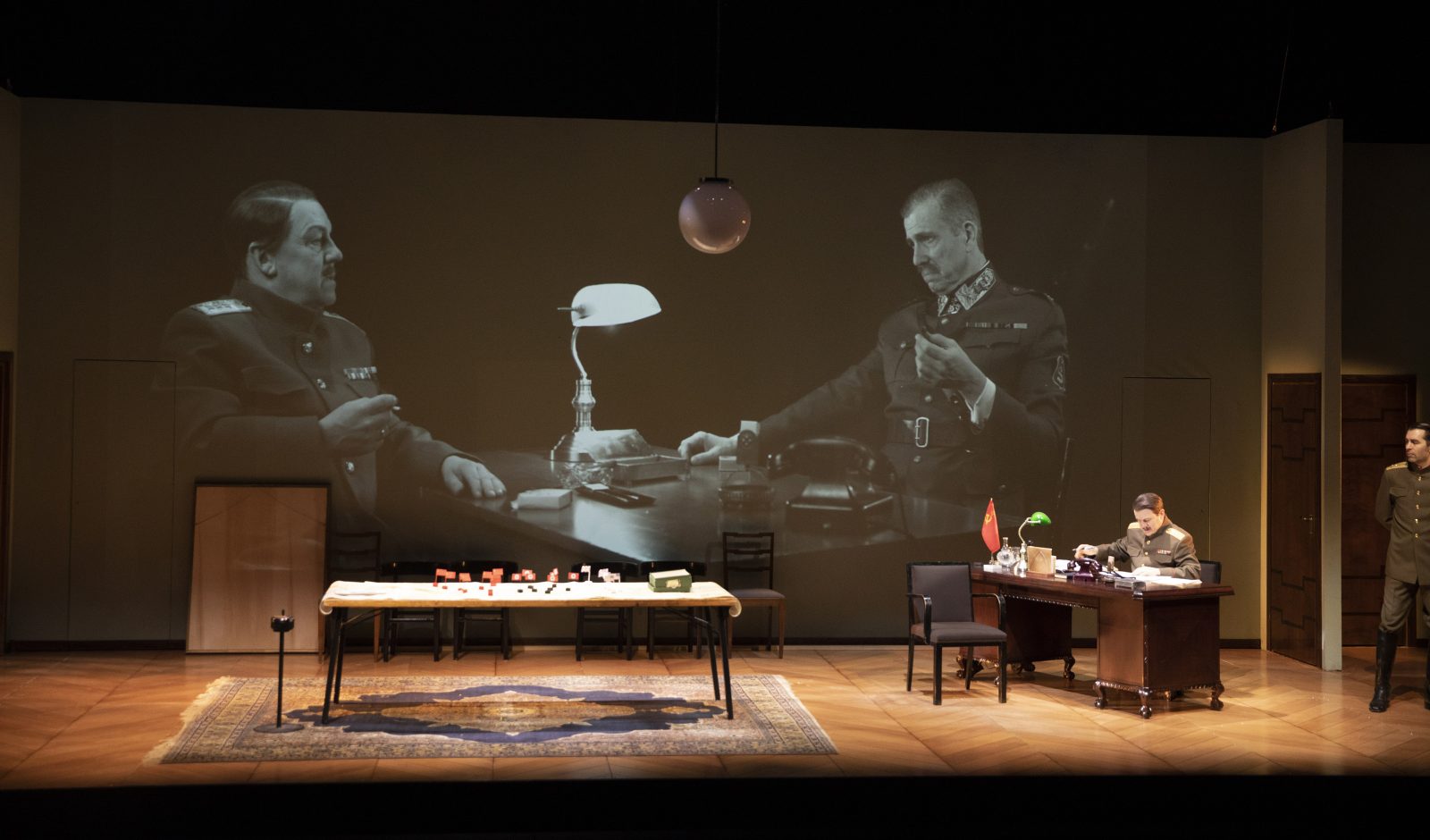
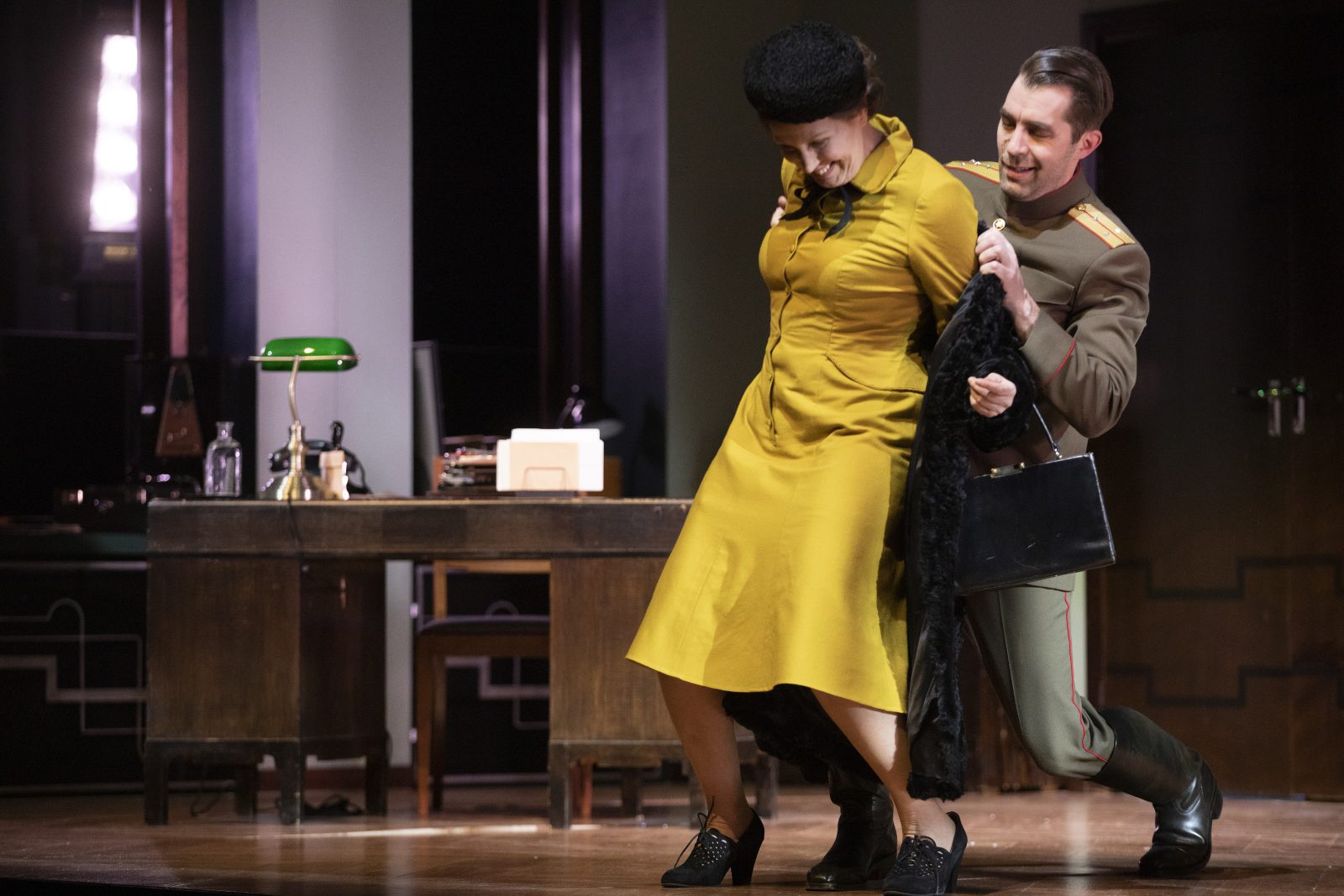
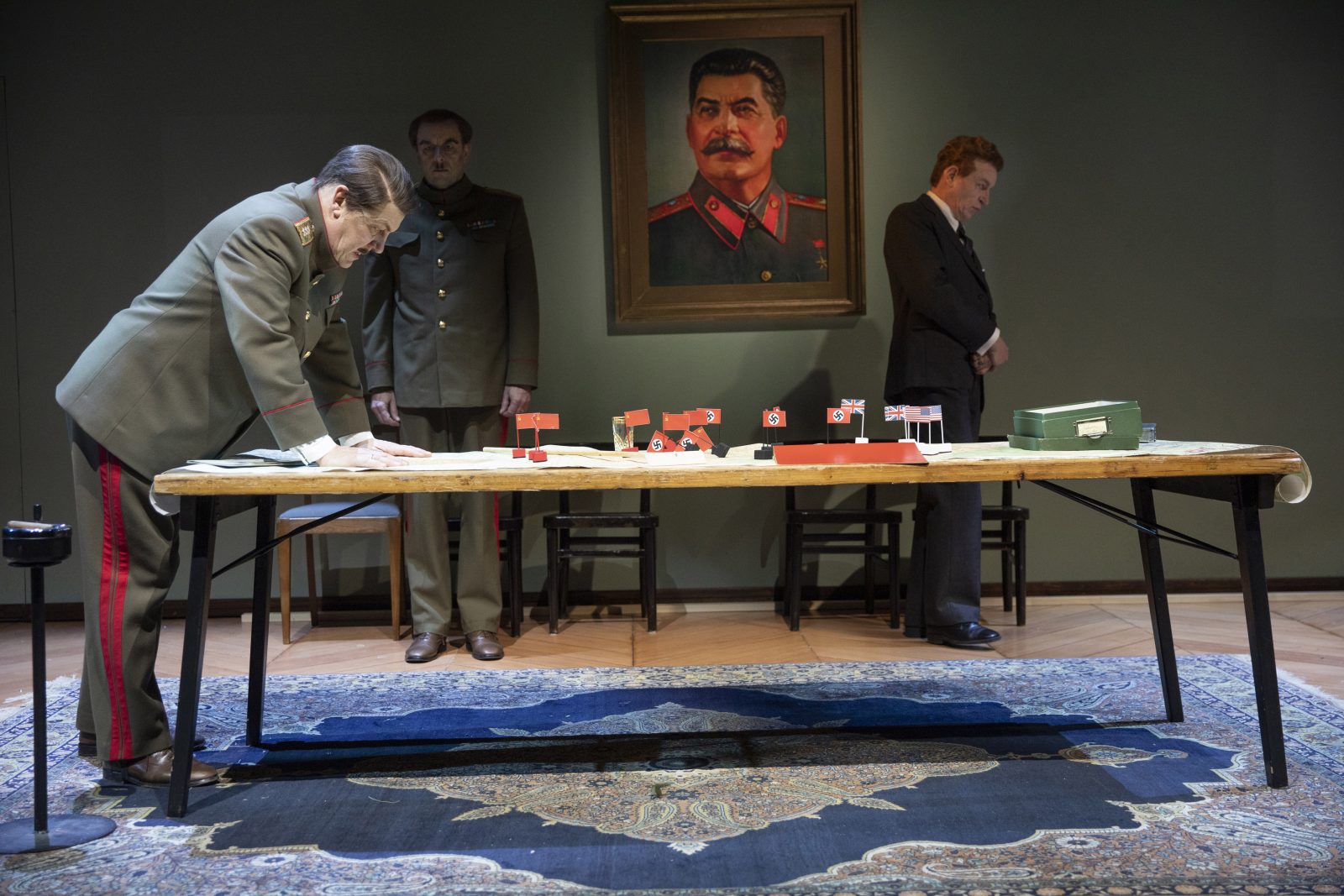
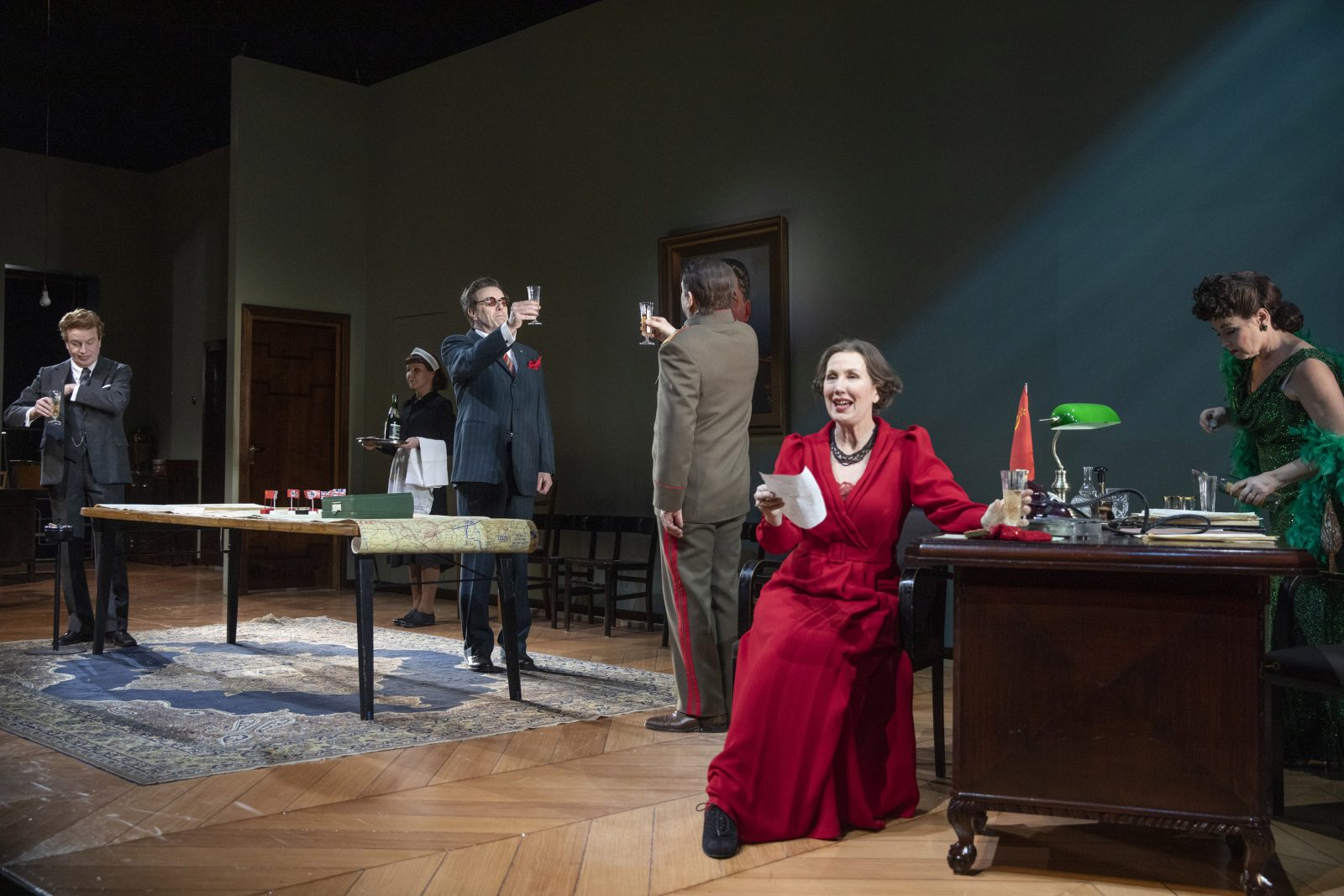
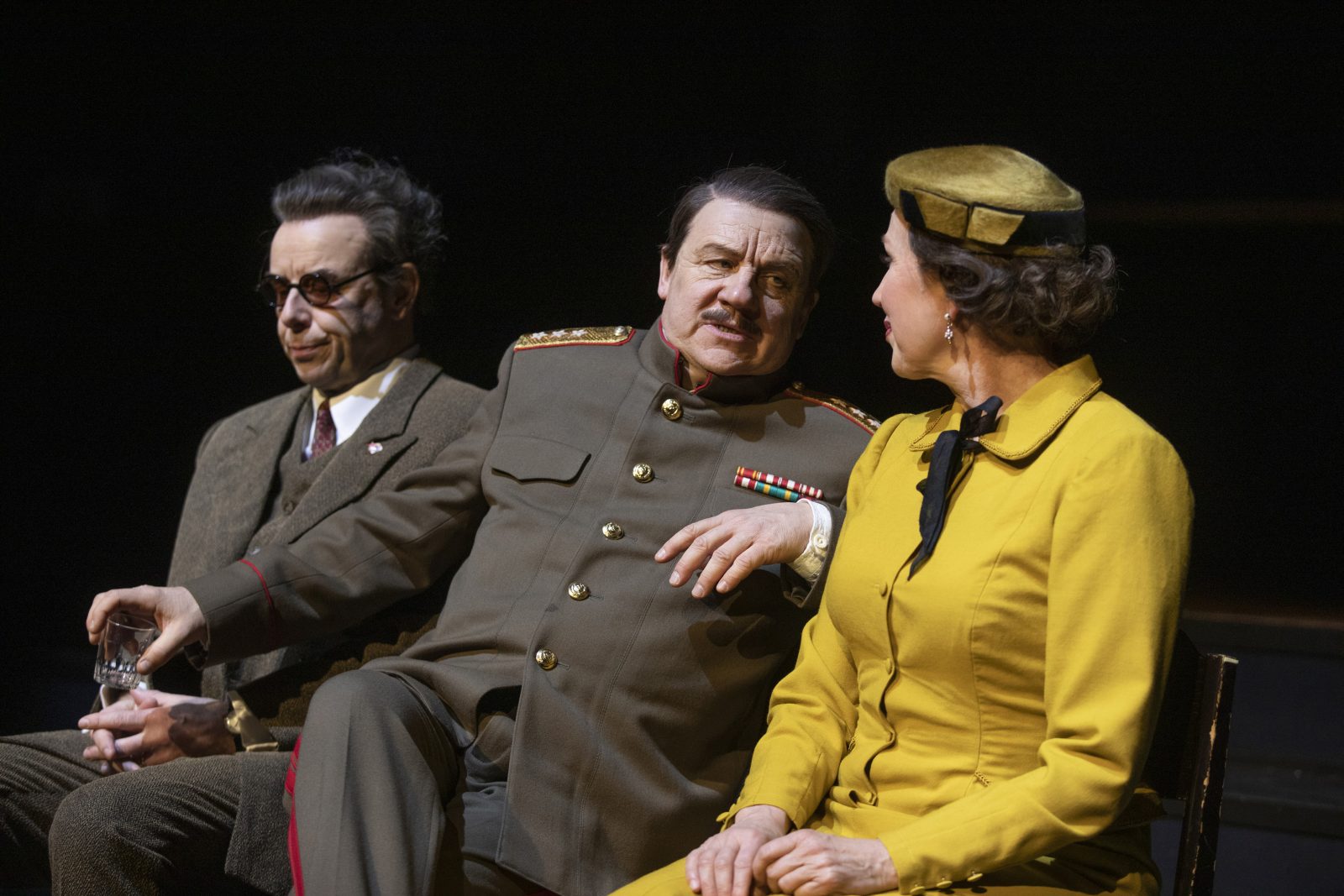
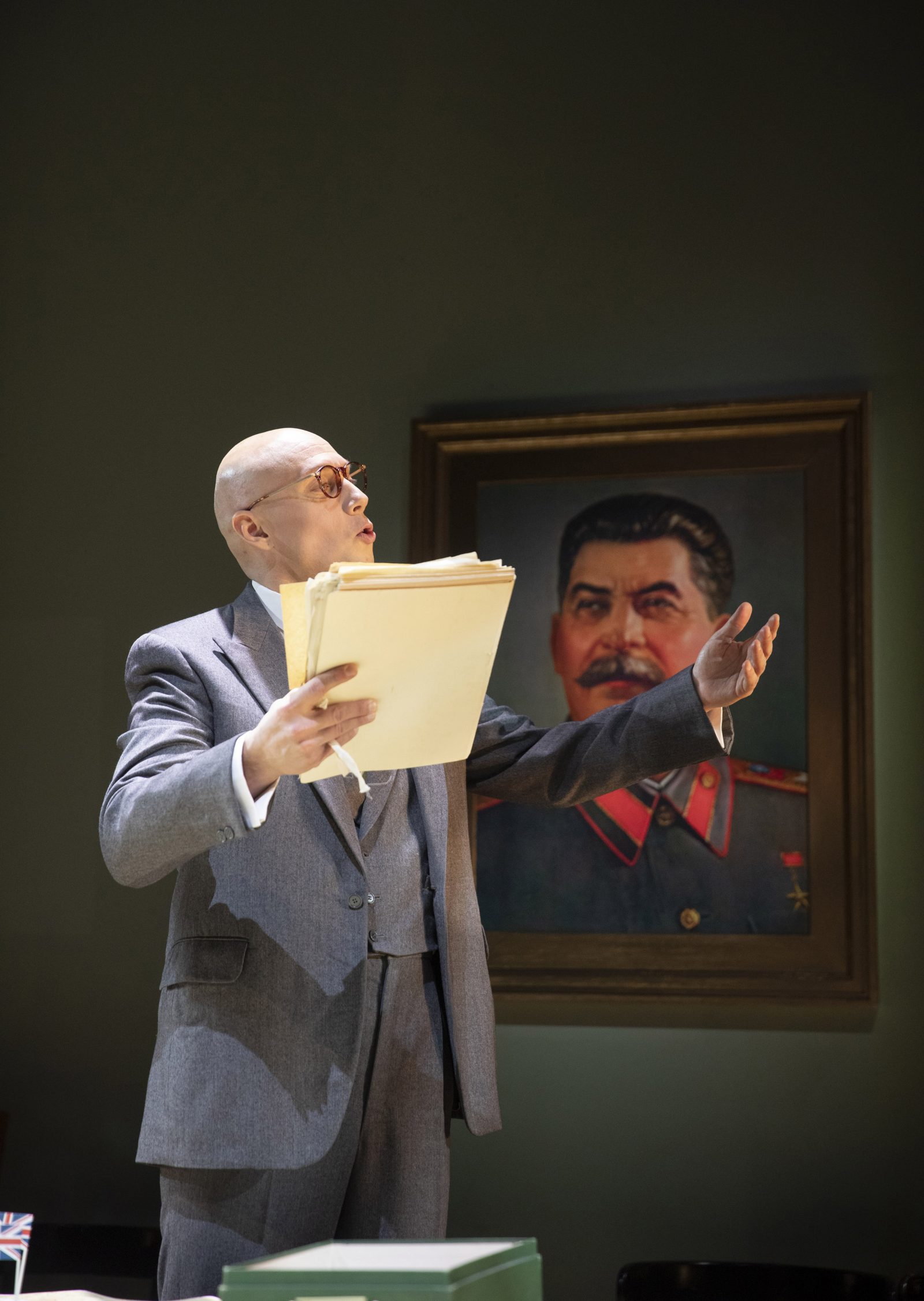
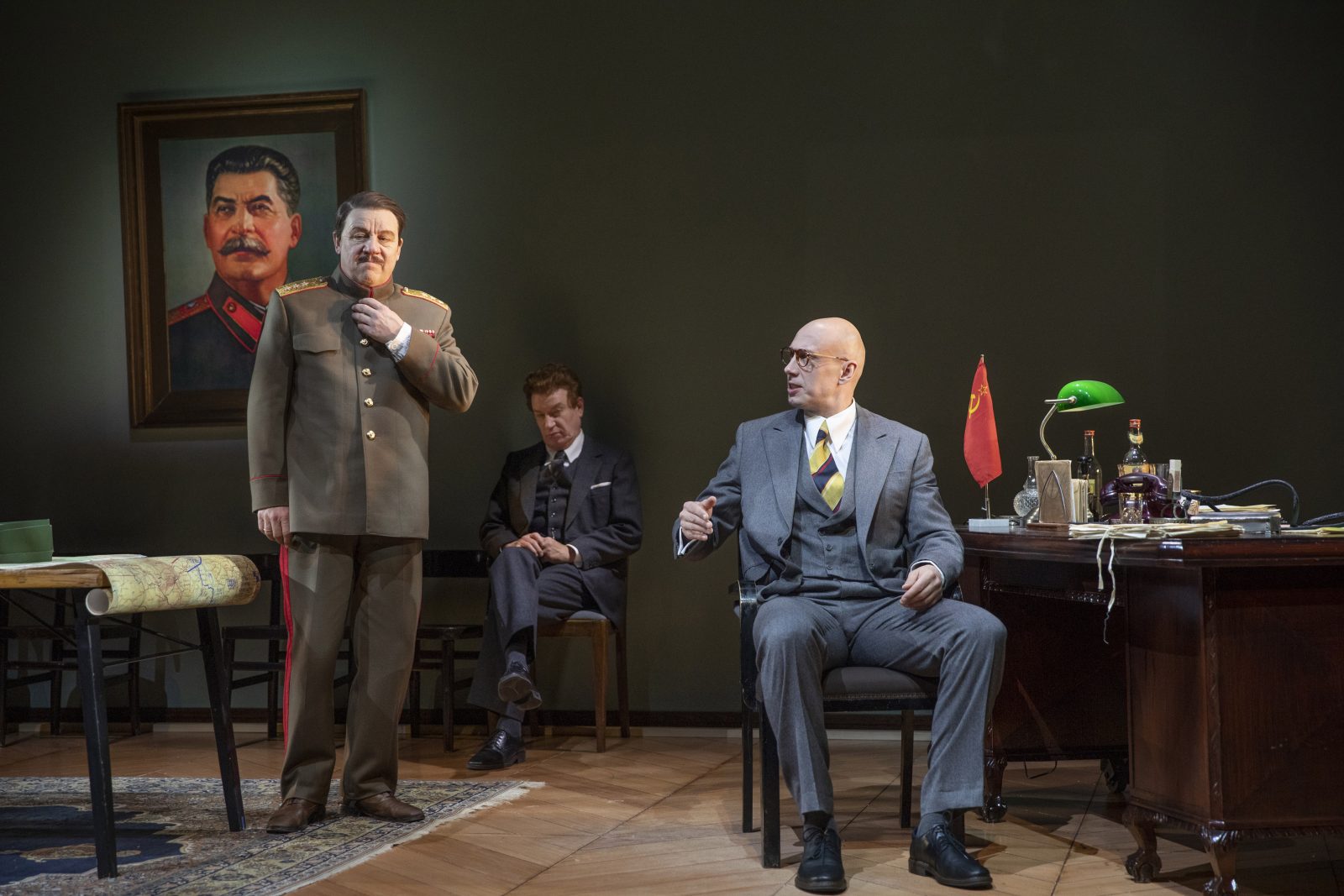
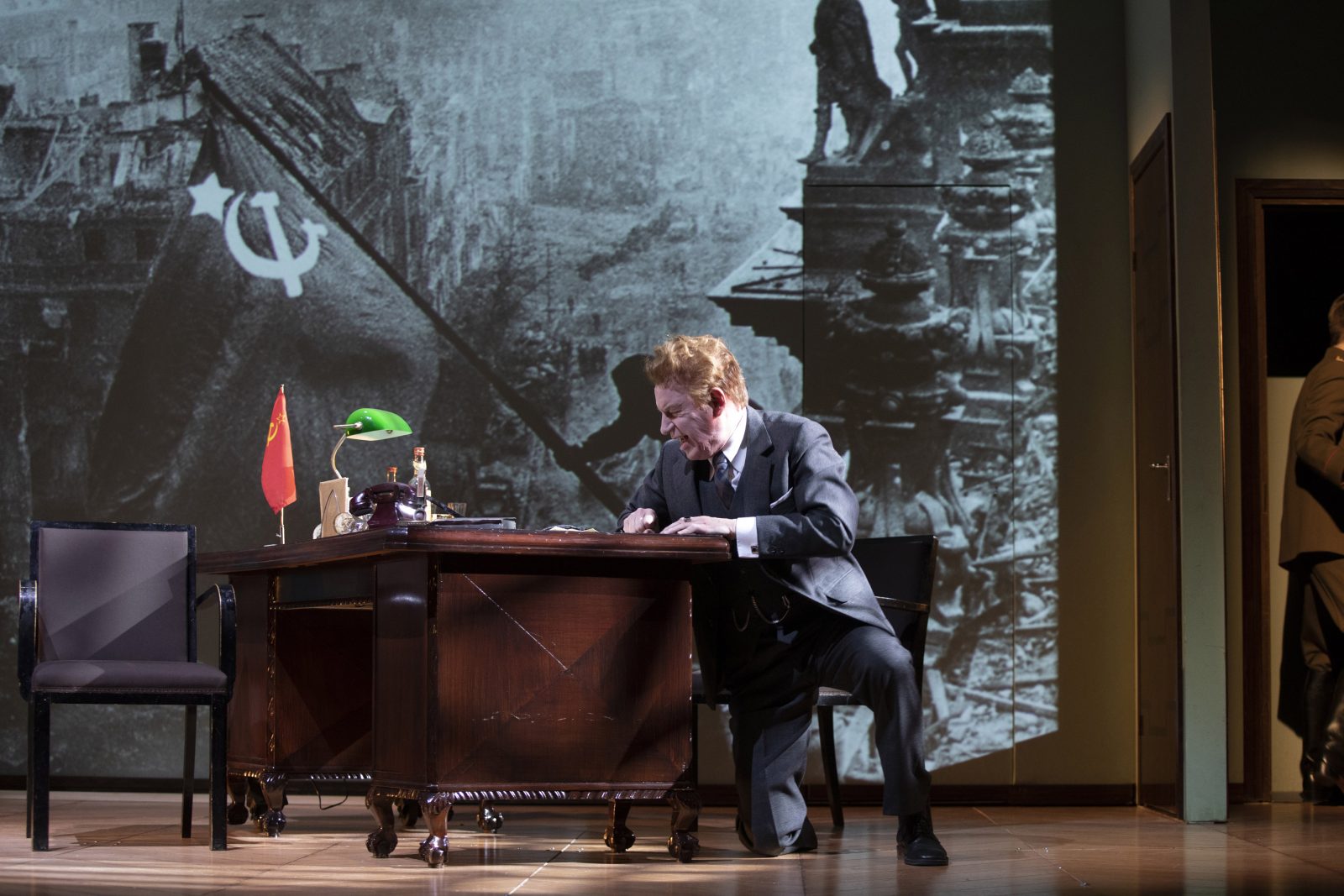
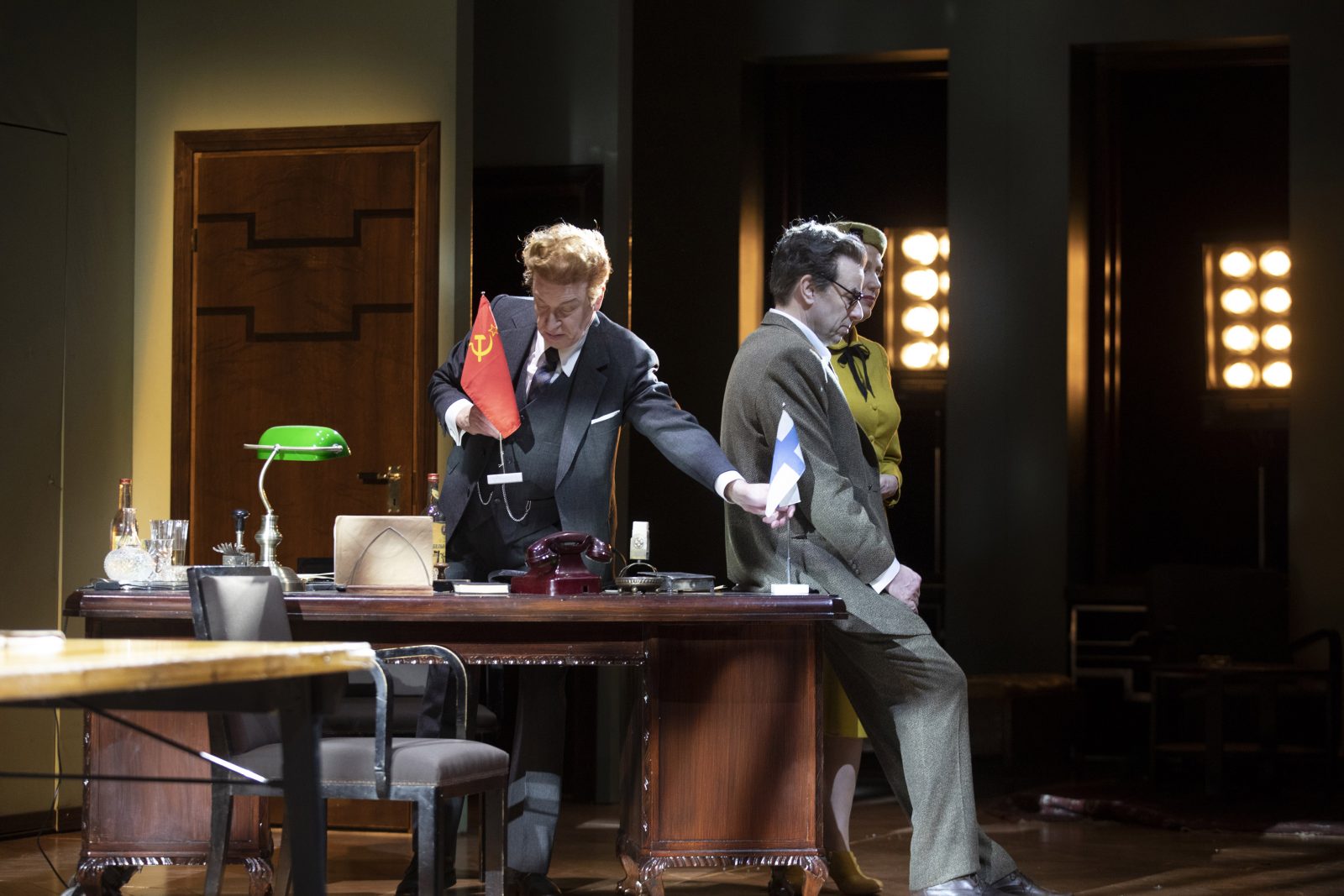
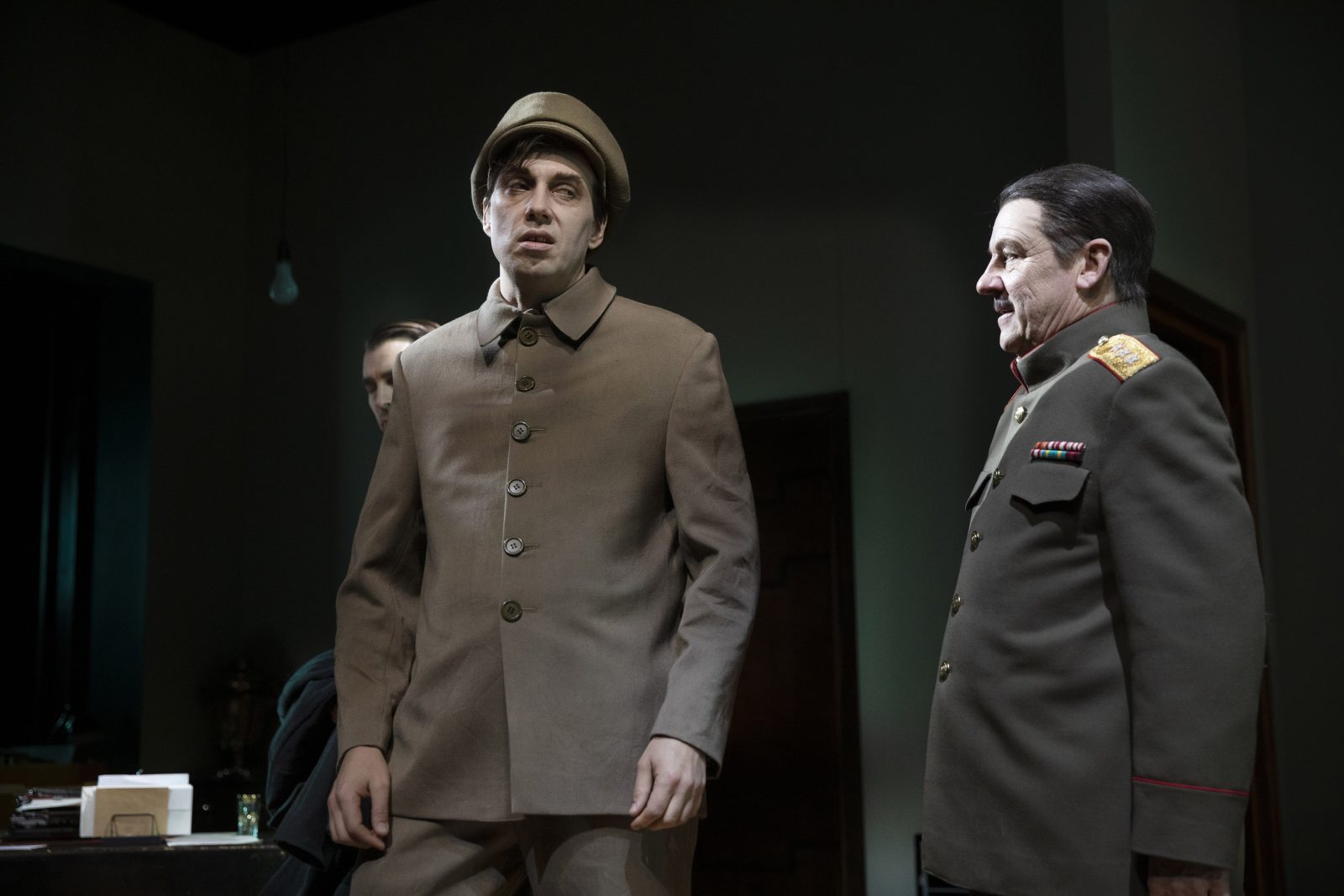
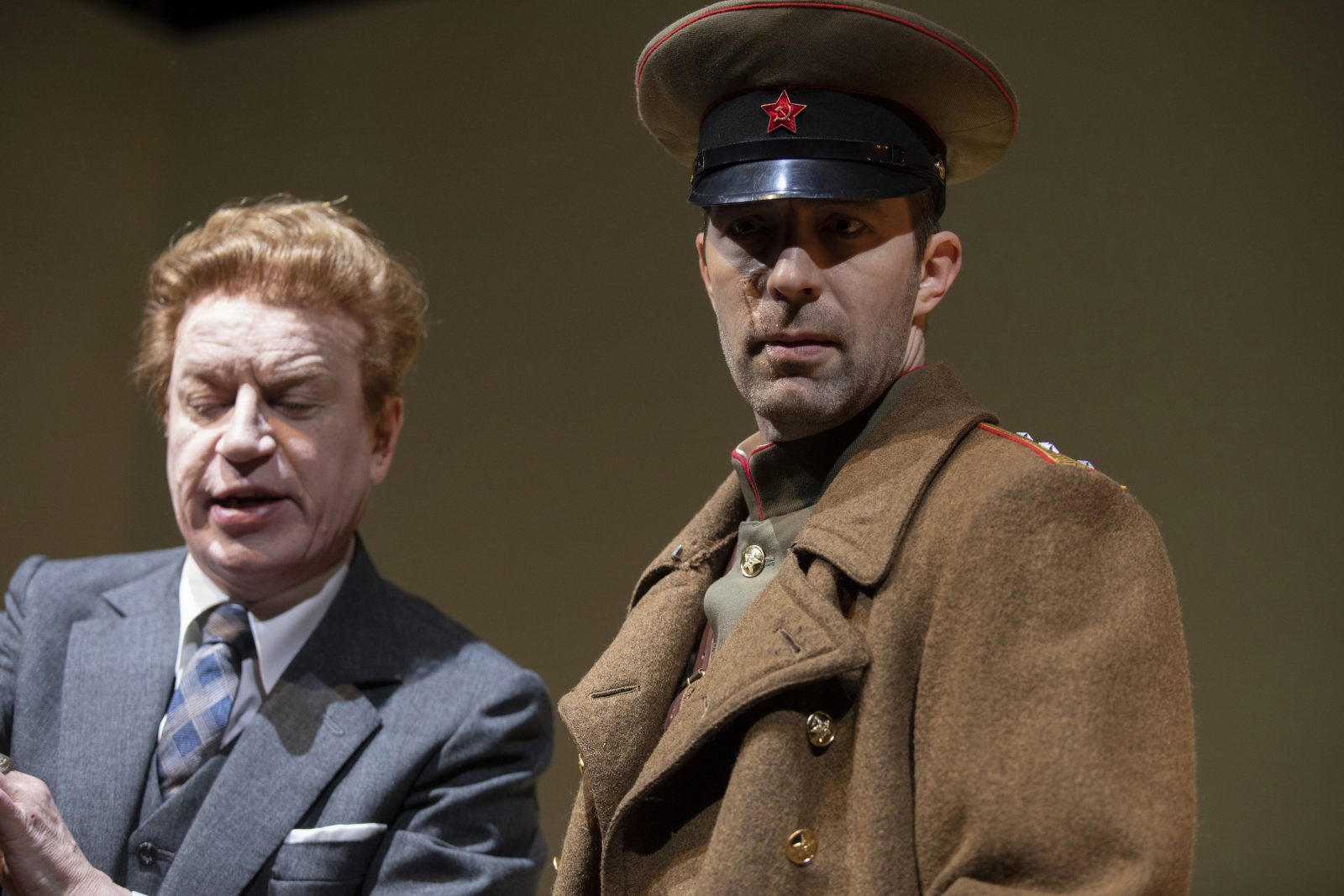
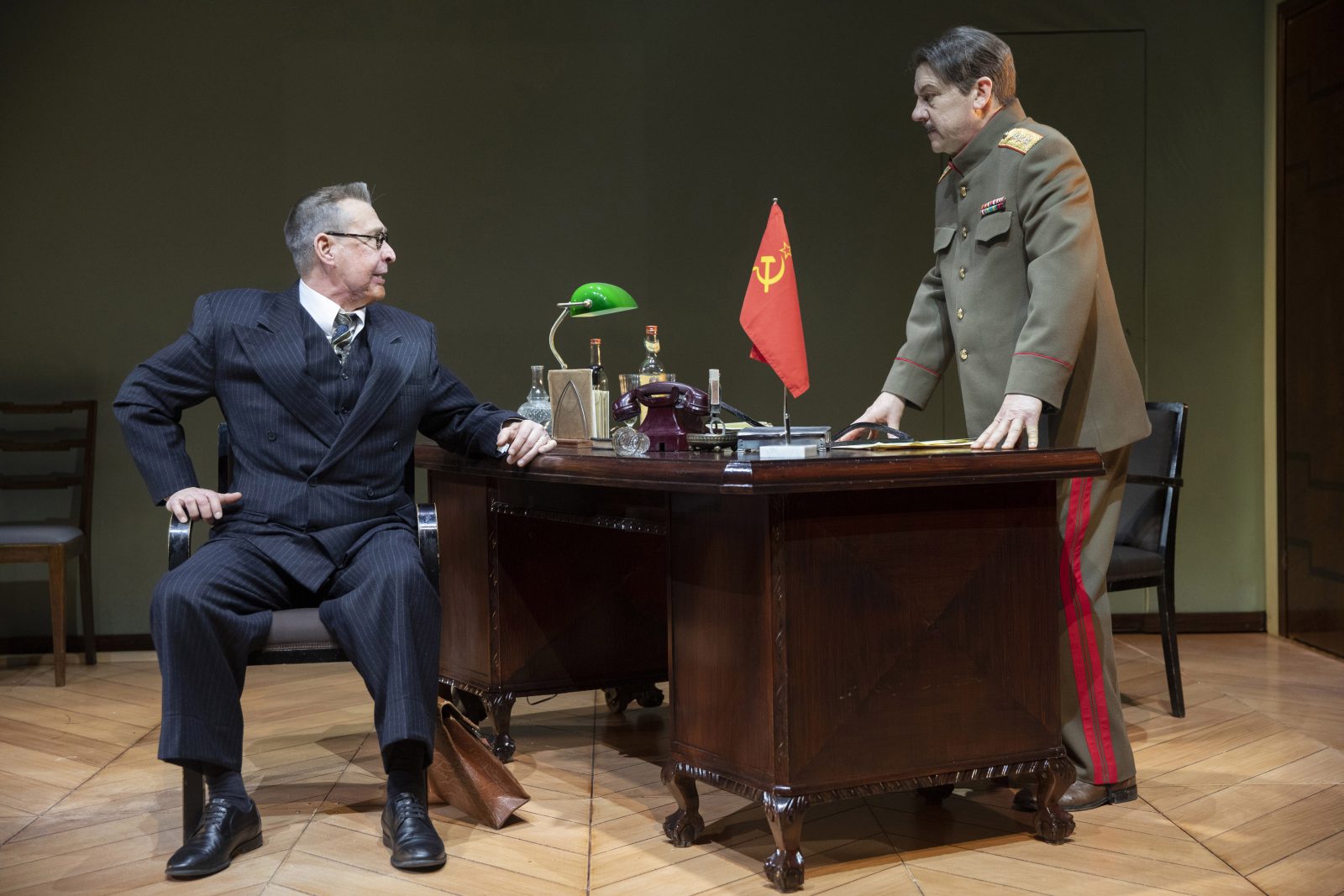
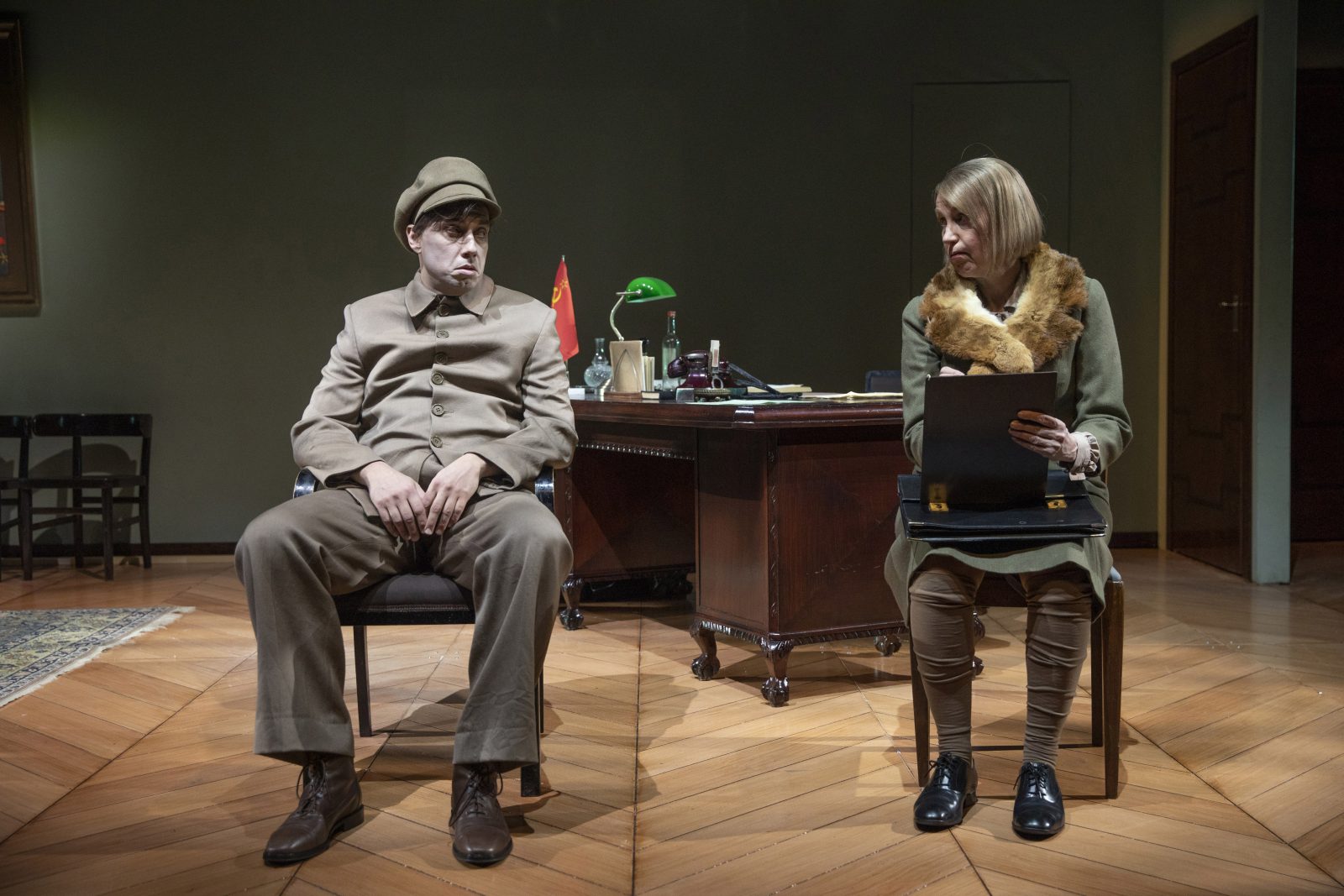
The main character of the gnarled comedy written by Kari Heiskanen is Andrei Zdanov, the head of the Control Commission. He is angry because he feels that he has fallen out of favor with Stalin and takes the Helsinki assignment as a punishment. Zdanov decides to act efficiently and get back home quickly. However, the cabbage-faced residents of Helsinki and the fascist thugs of the Finnish government do not make Zdanov’s job easy. The play also features Mannerheim and Urho Kekkonen, who plays his own game first for and then against Zdanov.
“Finland relied on Germany in the civil war and then granted its supporter privileges to interfere in the country’s internal affairs. A couple of decades later, Finland tied its fate to Germany’s success and began a war of conquest against its eastern neighbour. The Soviet Union, on the other hand, put pressure on Finland with the Note Crisis in 1961 and interfered in our political life in a way that partly nullified our own decision-making power. These periods have been dealt with in the Helsinki City Theatre’s productions Mannerheim and the German Kiss and Kekkonen and the Kremlin Dance School.
My new play, Stalin’s Sweet Whip , continues the theme and opens up the period after the Continuation War, the “years of danger”, as they have been called, but does so from the Soviet Union’s point of view. The events take place in the Hotel Torni, where the Soviet Control Commission was located.
The main character of the play is Colonel General Andrei Zdanov, Stalin’s trusted and ironclad man, who came to lead the Commission’s actions. The topic has been written about quite comprehensively from the Finnish perspective, but not much about how the Soviets lived or experienced their assignment in a former enemy country.
The special challenge of this play is that the Soviet Union was a country of high context in terms of speech and the written word, the meaning of words depended on the context. Since the truth could not be told in a world of paranoia and lying, it was necessary to know the hidden meaning of the words. When black was claimed to be white and coloured with hollow party jargon, the result was a liturgy that literally shouted at mockers and dog jaws to shut up. Those who dared were in danger of ending up in camps.”
– Kari Heiskanen