History and festivities of Groundhog Day
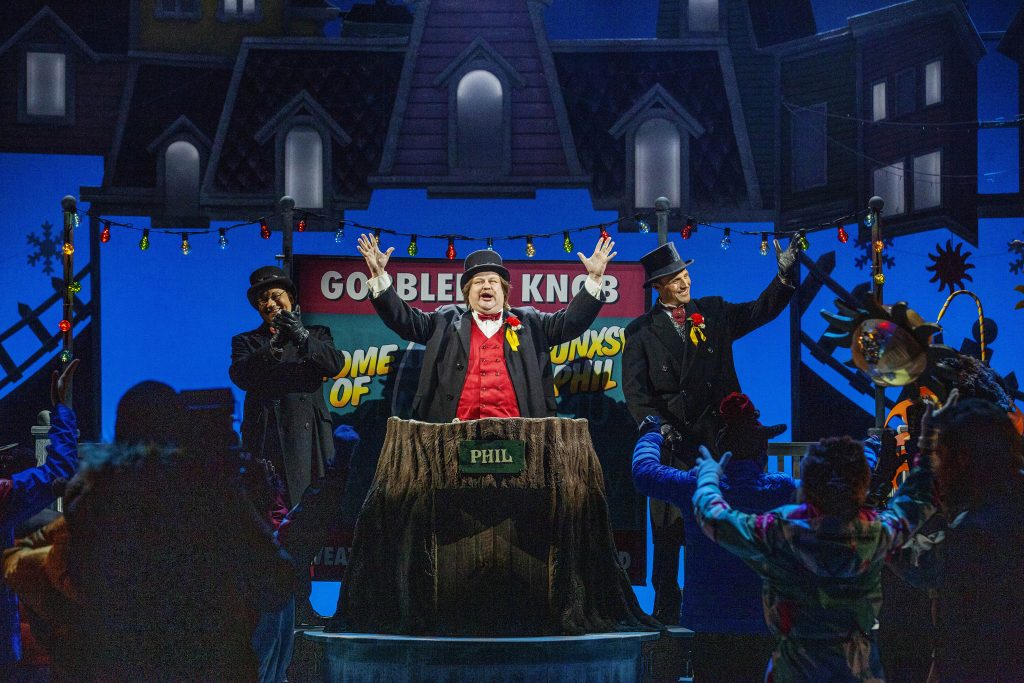
Groundhog Day has a long tradition in the United States. The first American mention and a detailed description of the relationship between the groundhog’s shadow and the arrival of spring can be found in the diaries of James Morris, a merchant from Pennsylvania, dating back to 1841. The Groundhog Day celebration, which is still celebrated today, has been celebrated in the small village of Punxsutawney since 1887. The originator and father of the tradition of Groundhog Day is considered to be Clymer Freas (1867–1942), a journalist for a local newspaper inPunxsutawney. The tradition is said to have spreadfrom Punxsutawney around the United States and Canada, where Groundhog Day is celebrated annually on February 2. Groundhog Day is considered to stem from a Christian tradition that emerged during the Roman Empire, Candlemas Day. According to the Bible, Mary brought Jesus to the temple at the age of 40 days, and Simeon identified him as the prophesied messiah. The name of the day dates back to the Middle Ages, when candles to be burned in the church during the year were consecrated on that day. Candlemas is associated with the beginning of a brighter time. February 2 is also a significant celebration in Celtic folklore, when the Imbolc festival is celebrated. Imbolc is a celebration of the dawn of spring, when a new beginning and fertility are celebrated. The tradition is associated with the Irish goddess Brigit, the protector of women giving birth. The tradition of seeing one’s own shadow, on the other hand, comes from Germany, where the shadow of badgers and other small mammals has been used to predict the beginning of spring. What happens on Groundhog Day? The celebrationin Punxsutawney, which has a population of less than 6,000, is huge; up to 40,000 people gather in Gobler’s Knob Parkon the outskirts of the small town before sunrise. During the ceremony, a group of men dressed in shaket clothes lift a marmot named Phil out of a hole made for it, and if Phil sees his shadow on a bright day, he will return to hibernation and the winter will continue for another six weeks. But if the day is cloudy and there is no shadow, spring is declared to arrive early that year. The festivities include speeches, live music and various performances from storytelling to comedy, magic and traditional crafts. The numerous food stalls in the festival area take care of the nutrition of the guests. In Punxsutawney, the marmot is extremely popular and its own association, the Punxsutawney Groundhog Club, has been established. Sources www.history.com/news/groundhog-day-history-and-facts www.goddessandgreenman.co.uk/imbolc-candlemas www.groundhog.org/legend-and-lorewww. wikipedia.org/wiki/Punxsutawney_Phil www.groundhog.org/ www.libraries.wright.edu/community/outofthebox/2015/02/04/groundhog-day-notes/fi.wikipedia.org/wiki/Kynttilänpäivä