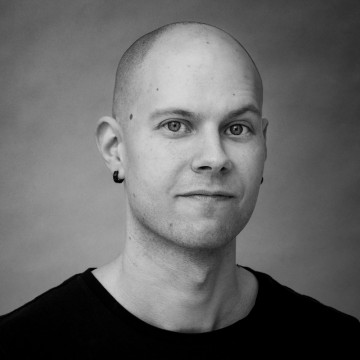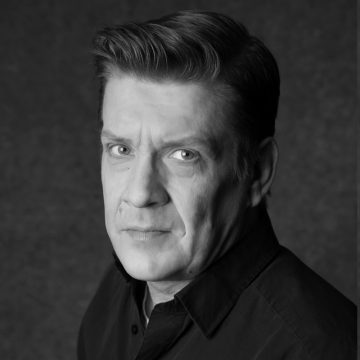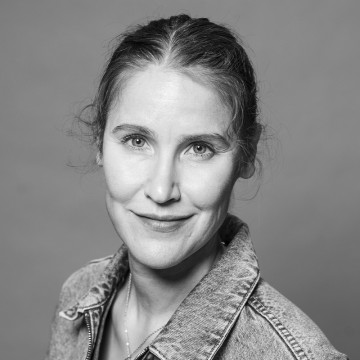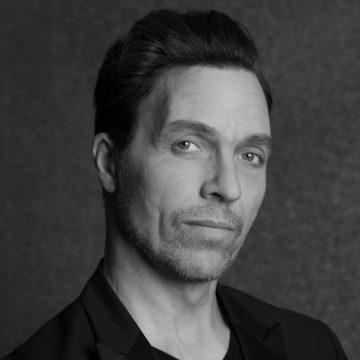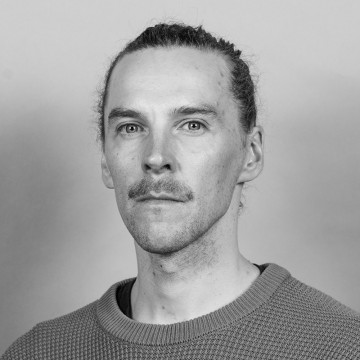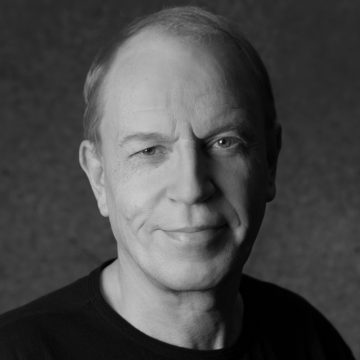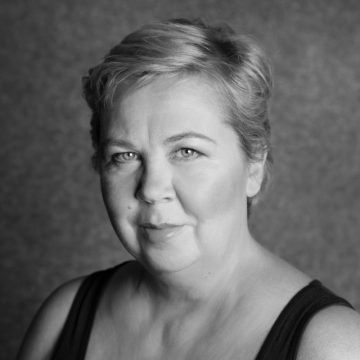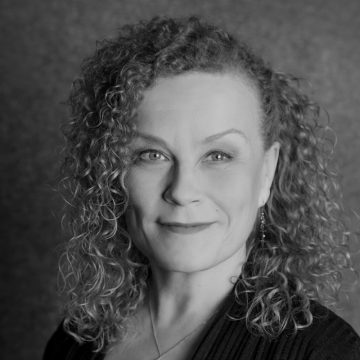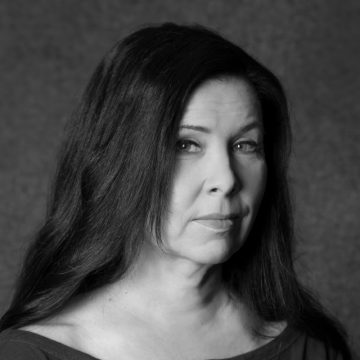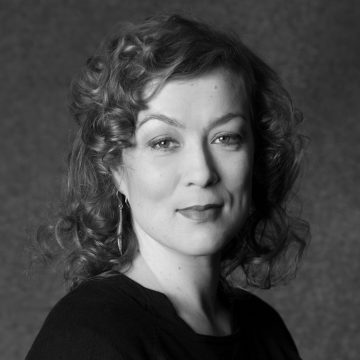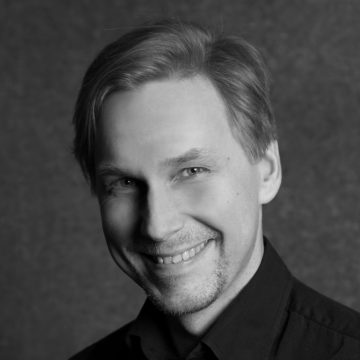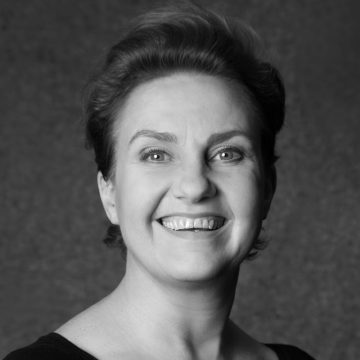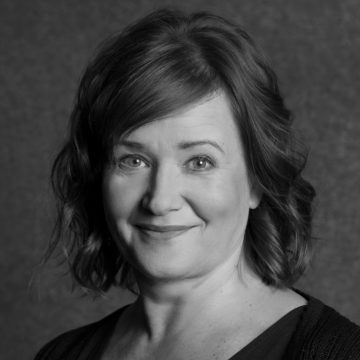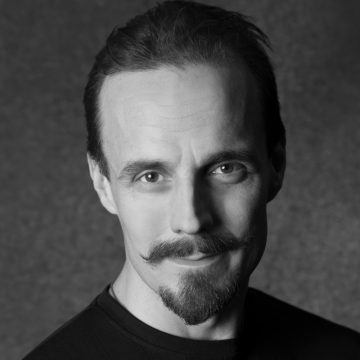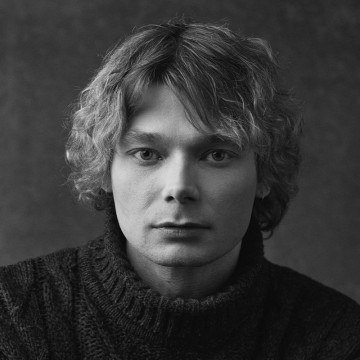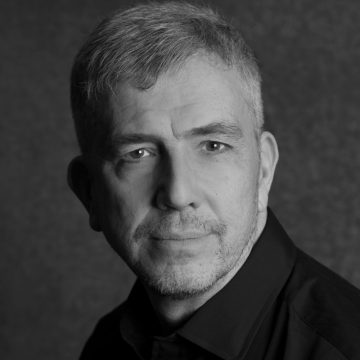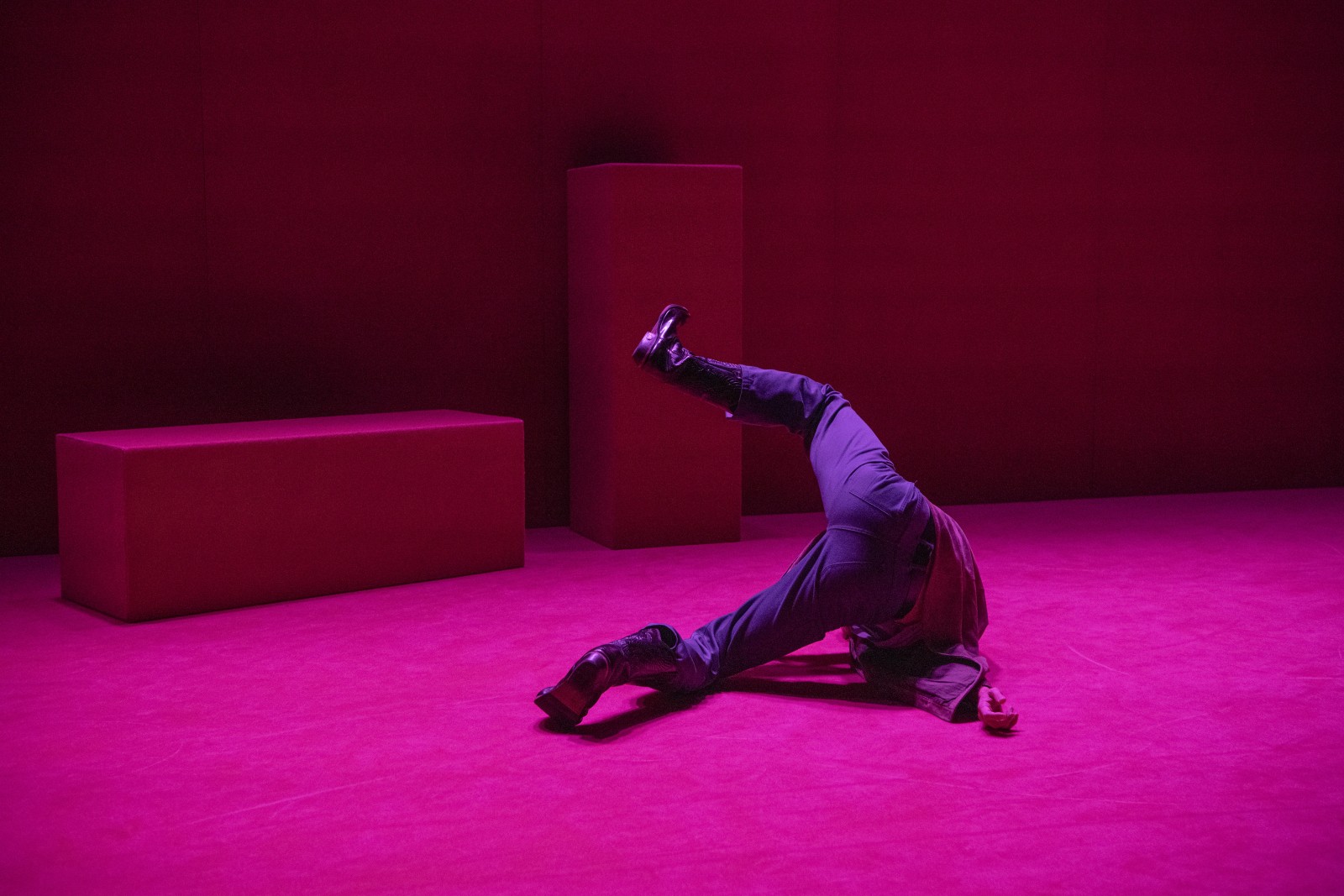
Helsinki City Theatre has around forty permanent actors. The theatre’s dance company, Helsinki Dance Company, comprises seven dancers. Performers generally work split shifts. After the morning rehearsal, they have a break before returning in the evening for either a performance or an evening rehearsal.
“Art is born when you give it something of yourself”
Helsinki City Theatre employs dozens of performing artists of different ages. Here are three personal stories about life as a professional performer. How did they become artists? What is it like to be a performer? Can you plan your career far into the future? And how does criticism feel?
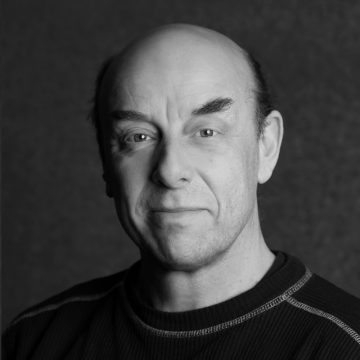
Helena Haaranen, actor
Joined Helsinki City Theatre in 1975
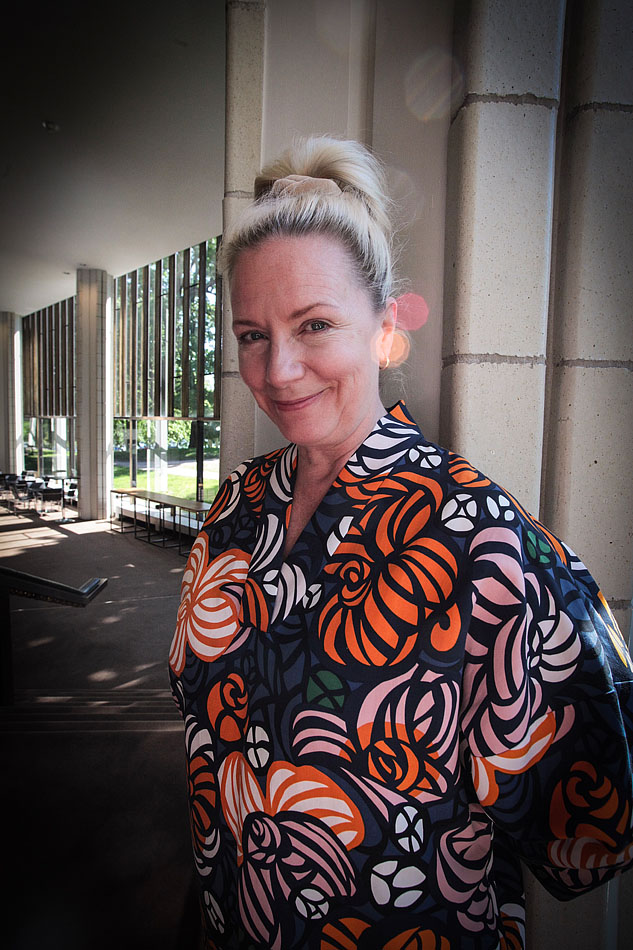
I grew into this profession. I started at the Finnish National Opera Ballet School when I was nine. The idea of becoming a performing artist probably first took shape in nursery school. I have always been interested in music, dance and drama. That has also been my “problem”: I have never been able to choose just one path and devote myself to it. But here I am – 50 years in theatre.
When I was eight, I came here by myself to see the musical Viulunsoittaja katolla. It was the first musical I had ever seen, as well as the opening production at the brand-new City Theatre. At the time, I could never have imagined that I would build my career on that stage, working in dance, drama and musicals.
I auditioned for and joined the City Theatre’s dance company in 1975. I was 15 at the time, with six years of dance studies and experience in supporting roles in operas and ballets at the Finnish National Opera, as well as music studies at the Helsinki Conservatory. I was given a permanent contract with Helsinki City Theatre’s dance company in 1978. The City Theatre was new and state-of-the-art. After my experience at the Opera, it felt incredible that people at the theatre immediately came over to shake hands and introduce themselves to a young dancer just starting out.
Performers can never know for certain where their careers will take them.
When I turned 40 in 1999, I was offered the opportunity to continue as an actor. It was a welcome change, as I had also taken on small speaking and singing roles throughout my dance career. Performers can never know for certain where their careers will take them.
The richness of theatre lies in performers of different ages and backgrounds, each responding to things in their own way. Working in a large organisation like this is not something to be taken for granted, and this environment does not suit everyone. Public criticism is also part of being a performer. Constructive criticism is a good thing, and feedback from colleagues is worth its weight in gold. Constructive criticism is rare in Finland; perhaps that is a national trait. It is disheartening when you know you have done good work and are not even mentioned.
I was recently asked about my career dreams. I do not want to share them publicly, but I certainly have them! There is nothing mysterious about making theatre. It is about throwing yourself into the work, repeating and refining it, time after time. Life is a mystery; theatre is life.
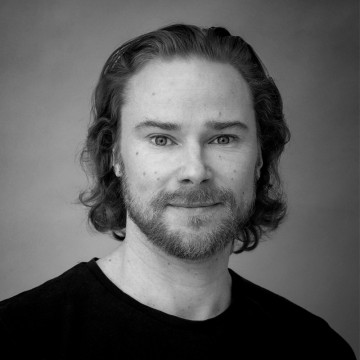
Tuukka Leppänen, actor

I found my way into the profession through musicals. From primary school onwards, I attended music-oriented classes in Lahti, played the cello and sang a great deal. After upper secondary school, I spent a couple of years studying musical theatre in the Department of Music at Lahti University of Applied Sciences. Then, in 2003, I applied to Teak before completing my studies and was accepted.
The following year, I appeared in Saturday Night Fever, directed by Marco Bjurström. That led first to an invitation to audition, and after a few twists and turns, I eventually came to work here. My teachers at Teak agreed on the condition that I would not work exclusively in musicals. I spent my first couple of years as a freelancer, received a contract in 2008 and was made a permanent member of the company in 2015.
As an actor, I tend to be cautious at first. I need a clear framework within which to work before the character’s inner world can come alive. When rehearsals begin, you initially do not know how to feel, walk or speak. Gradually, the character begins to grow, and suddenly you find yourself able to fill and command the entire space. That is when your presence becomes more relaxed and no longer feels forced.
Premieres are always difficult. When the first audience arrives, terror strikes every time, and I become acutely aware of my own acting. I perform as though I am constantly slightly outside or beside myself. The older and more experienced you become, the less time it takes to regain that light yet active state of being – living fully in the moment and the situation.
Acting requires the courage not to care about how you look or feel, and the courage to think and do things that do not come naturally. You need curiosity and childlike enthusiasm. The work also requires you to tolerate being bad, being unfinished and being around other people.
I think it is a universal ideal to strive to be the kind of colleague who makes other people’s work easier and brings lightness to life and the way we are together. It is wonderful if you can be someone who shows others every day that, ultimately, this is not all so serious. There are people like that here, and that is what I would like to strive for myself.
The atmosphere here is unique, precious and shaped by the people who work here. Together, we create something new, explore emotions and live through them. Even though the emotions are constructed or prescribed, they are emotions usually reserved for those closest to us. Here, we experience them as part of our work, and that is quite extraordinary. One consequence is a certain need for trust and openness.
Acting is endlessly fascinating because every production introduces you to something you were previously unaware of. Theatre makes history so much more vivid and helps you understand cause and effect more clearly. Our task as actors and artists is to help audiences empathise with the fates of different people, to bring taboos into the open and to foster empathy.
At Helsinki City Theatre, perseverance gives you the opportunity to do all kinds of things, and there is certainly no shortage of work. Although I initially focused more on musicals, these days I also get to work in other forms of drama. Every year feels more interesting than the last. This is a safe place to explore different ways of telling stories.